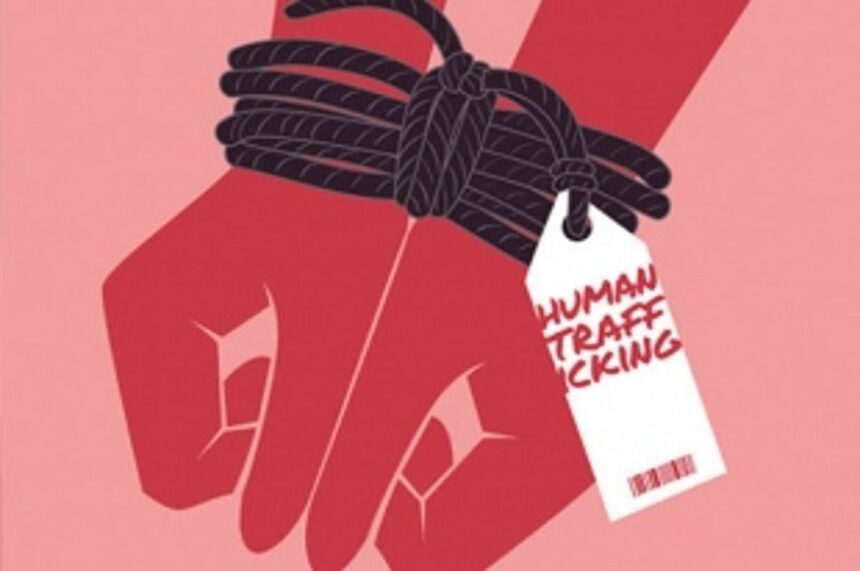
PANJIM: The economic impact due to the COVID pandemic has been immense to individuals and families across the State and class and occupation has been affected. Against that backdrop, survivors of commercial sexual exploitation (CSE) are facing hardship to a larger extent.
NGO Anyay Rahit Zindagi (ARZ), which has rescued and rehabilitated CSE victims, apprehends that recession could force the women back into the dark trade later on.
Several, who have either stayed back in Goa or repatriated after the rescue, have lost their alternate jobs while nearly all are dependent for daily essentials. Stigma attached to the illegal profession, is keeping them away from availing free relief packages.
“A large number of victims of CSE, who have exited from CSE and joined alternative livelihood, today, find themselves without jobs and financial support. Most of them have been bread earners for the family but due to loss of employment/source of earning, the survivors of CSE, today, are vulnerable to re-trafficking,” a research report by ARZ states.
To ensure that victims rescued in Goa, are not re-trafficked after their release from the Protective Home, ARZ has continued to follow-up and provide services to these women. The lockdown is a new challenge before the local NGO to ensure that the survivors do not get re-trafficked post the lockdown.
With high risk of infection related to COVID-19, the NGO has clarified that fear of re-trafficking is post relaxation of the lockdown.
“The fear is that the vulnerable section would take loans from their pimps for their survival in the present time. After relaxation, these women will be forced to work for them. So if proper relief is provided, the survivors would not depend on pimps for their survival in this crisis,” said ARZ Director Arun Pandey.
The NGO, with the aim of preventing the survivors from being re-trafficked, has initiated ‘Saksham’, with the support of ECPAT, Luxembourg.
The project is ensuring at making the survivors, capable to protect themselves and prevent their re-trafficking and exploitation by providing counseling, ration and financial support.
Pandey has admitted that the present crisis might make women and children vulnerable to CSE and urged for govt intervention.
“COVID-19 will make children and women vulnerable to CSE and will also cause re-trafficking of those who have exited from CSE. The government needs to pay utmost attention, to this group, or else it will increase manifold in the country,” he said.
He revealed that during its research pan-India, majority of them shared that they have not received free ration or essentials at subsidised rate from the govt under PDS as they do not possess ration cards. Some others shared that, since they do not have voting cards, several places where politicians distributed ration, they were deprived of it while on the other hand, many victims, said they were not confident to take relief fearing that they would be identified and then harassed due to their involvement in commercial sexual activities.
“The traffickers, usually takes advantage of women and girls in crisis and traffic them for commercial sexual exploitation. This is a very crucial period, for the State and civil society organizations to intervene and provide relief to prevent trafficking,” he appealed while maintaining that through its project the NGO is reaching out to the victims of CSE in Goa and outside Goa – who were rescued by the Goa police – and providing relief and psycho-social services to prevent and protect them from re-trafficking.
In Goa, 161 survivors were contacted through personal visits and support was provided to around 56. Pandey said that the support included distribution of ration and connecting them with public health services for ART and other health ailments.