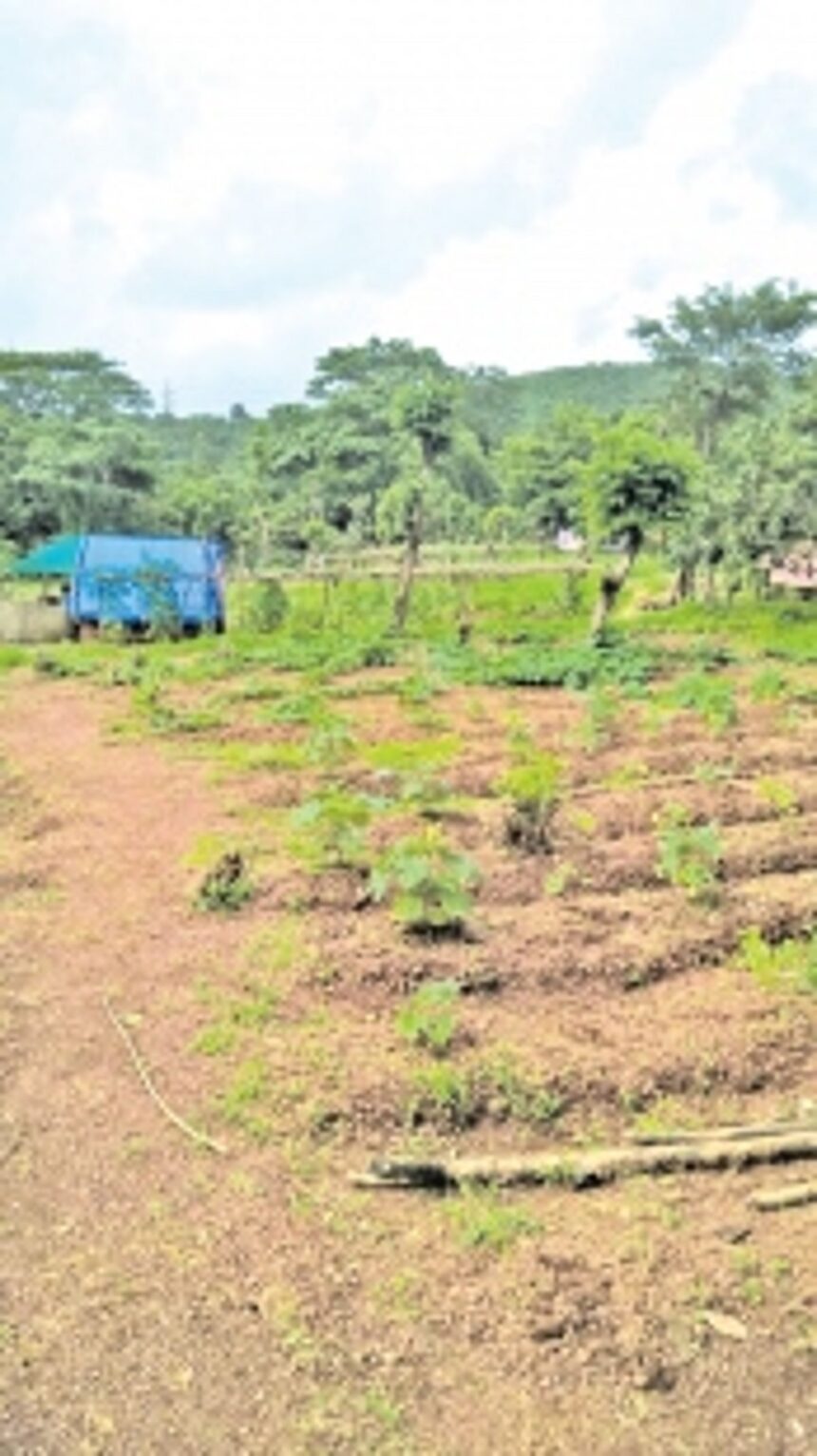
PONDA: Mallekars, or horticulturists, in the Ponda taluka are a worried lot as July’s torrential rain has damaged a substantial portion of their crops, slashing the production of a variety of locally grown monsoon vegetables such as cucumber, ridged gourd (gosali) and ladies’ fingers.
These much sought-after vegetables are usually grown on hilly areas in the taluka, but the surge of run-offs from the hilltops has marred many crops that were in the flowering stage, and has steamrolled the vines of others, causing them to rot from the root.
“Most of our crops depend on the rain to flourish, but too much of rain spells doom,” said Rohidas Gaonkar, an affected farmer. “And our lives depend on a bountiful harvest.”
In fact, the delay in the monsoon’s onset this June slowed down the pace of the crops’ growth just as much as the prolonged showers in the following month damaged the plants. Farmers say the extent of the damage is between 30 and 40% of their total crop, which has resulted in the prices of the vegetables shooting up in local markets. Large cucumbers, for instance, are selling at Rs 100 for three, while a portion of five small ones are sold at Rs 100. Similarly, ridged gourds are presently being sold at Rs 100 for three.
Low production is also likely to affect availability of these vegetables during Ganesh Chaturthi festivities, when they are in high demand either for cuisine or decorating matolis.
“There is a lot of hard work that goes into growing these vegetables. We prepare the land for cultivation in April and sow the seeds in May in the hope that copious rain in the following month will promote germination and growth,” the farmers said.
“But when the monsoon was delayed in June this year, we had to cart buckets of water uphill to our fields to irrigate them. And then when the rains did arrive 22 days late, we had to deal with severe downpours and crop damage. Now, with a lull in the rains, we hope that a prolonged dry spell doesn’t ruin our crops altogether,” they rued.