While there have been promises to upgrade the infrastructure across the Salcete beach stretch that has some of the most high-profile beaches like Colva, Sernabatim, Benaulim, Varca and Mobor, the ground reality has not changed and despite the popularity these beaches enjoy, they are yet to be provided with the kind of facilities that can attract high-end tourists.
At the beaches, hordes of tourists, domestic and foreign, flock to go for a swim or to check out various establishments. There is basic police security at the beach with the police making constant rounds and later at night there are police stationed a few kilometers before the beach to screen vehicles that enter and exit the beaches. But this is not enough.
“There is not enough being done to instill confidence in the tourists. Every week you hear of a theft where a tourist’s items left in the room get robbed. Female tourists are scared to walk after dark to the beach, on the beach or while returning home as they don’t find it safe. There is the issue of stray dogs as well and garbage problems that are not seen at other international tourist destinations,” said Savio D’Souza, manager of a guesthouse in Varca.
Tourism stakeholders feel that the beaches are in need of a facelift to attract tourists with higher spending capacity and that currently Goa is only getting budget tourists. In Colva for instance, while there exists a sulabh toilet near the beach, the Tourism minister had promised to set up changing rooms and toilets near the beach which stakeholders say is necessary and is a facility demanded by the foreign tourists.
Stakeholders point out that the government needs to set up a mechanism that can take care of the sewerage and garbage collection of the coastal belt. They point out that the government also needs to monitor basic facilities such as the functioning of streetlights, open dumping of garbage, unchecked presence of lamanis who heckle tourists amongst other such issues to help the beaches clean up its image.
The much-hyped Colva tourism circuit development had offered solutions in terms of infrastructure for Salcete beaches but the funds have still not been utilised. Tourism department officials added that the sanctioned Colva circuit project mainly consists of development of tourism-affiliated infrastructure and basic facilities of areas of Betalbatim, Colva and Benaulim beaches to boost tourism.
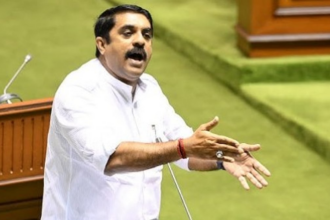
Goa Tourism Development Corporation (GDTC) chairman Nilesh Cabral asserts that improvement of the infrastructure at the beach would provide locals with additional business at the beach. The project involves the construction of toilets, changing rooms, gardens, parking, restaurant and illumination of the areas.
While the GTDC chairman tried to blame the delay on NGOs opposing the project, as it lost central government funding due to lapse in time, the NGOs counter stating that their opposition was specific to a tower that was to be constructed on the beach in violation of existing rules and regulations and appropriate orders against the same had been given by the court. Some activists pointed out that there are already establishments in tourism stalls near the beach that have issues with pollution of the water bodies nearby and questioned if GTDC’s plans for bigger projects took care of the maintenance aspect as well.
In the last three to four years, the Tourism department managed to demolish a number of illegal encroachments set up on beaches. GTDC had also proposed to develop a five-star boutique hotel at Colva at its beach property measuring 17,500sq m.
Another high profile beach is Cavelossim that relies largely on tourism for its revenue. Stakeholders are upset that the long-standing demand for toilets on the beach and a sewerage treatment plant, have fallen on deaf ears. Plans to construct toilets are jinxed by CRZ rules. Villagers want a dedicated sewerage pipeline along the coast connecting Betul to Velsao or a sewerage treatment plant to take care of the village’s needs.
Cavelossim is a destination that attracts high-quality tourists, given the presence of a number of starred resorts at the beach. Besides the resorts, the village has a few luxurious riverside restaurants and various other entertainment avenues that cater to a higher clientele.
“While inside the resorts, tourists are provided the best of arrangements that match international standards, the same cannot be said about the public facilities available outside the resorts,” said Samson Gonsalves, who owns a guesthouse at Mobor. He points out that Cavelossim, for instance, boasts of the best of water sports entertainment simply because unlike Calangute or Colva, there is a smaller crowd and so congestion is less, but the lack of changing rooms and toilets is a big deficiency and speaks poorly of the State as international tourist destination.
Given that Cavelossim is around 20 kms from Margao and away from the bustle of urbanization, the rates charged by taxis have been deemed to be too expensive by a large section of the tourists and there is no other alternative public transport easily available in these areas. While taxi drivers defend the rates they demand, stakeholders feel that the government should ensure that there are quality public modes of transport that can bridge the gap.