SANGUEM: Residents of Sanguem are grappling with increasing inconveniences as crucial government offices in the area operate without functional telephone landlines. Offices such as the Block Development Officer, Deputy Collector, and even the Agriculture Department are reported to lack telephone connectivity.
The absence of a functional landline at the Primary Health Centre, a vital facility, adds to the challenges faced by the residents. The poor power supply to the center compounds the issue, forcing staff to rely on torches or mobile phones for illumination, and rendering the X-ray machine unusable.
Earlier, citizens could call the offices to inquire about the presence of concerned officers, but with non-functional landlines, individuals are compelled to visit the offices in person, often resulting in wasted time and resources.
While modern communication tools like mobile phones and the internet are available, several government offices in Sanguem have either deliberately disconnected or neglected to repair their landlines, offering no other means to contact them. Fax machines, once used for communication, have been discontinued, further diminishing the need for landline connections.
Officials at these government offices revealed that despite lodging complaints with the Telephone Department, no corrective action has been taken.
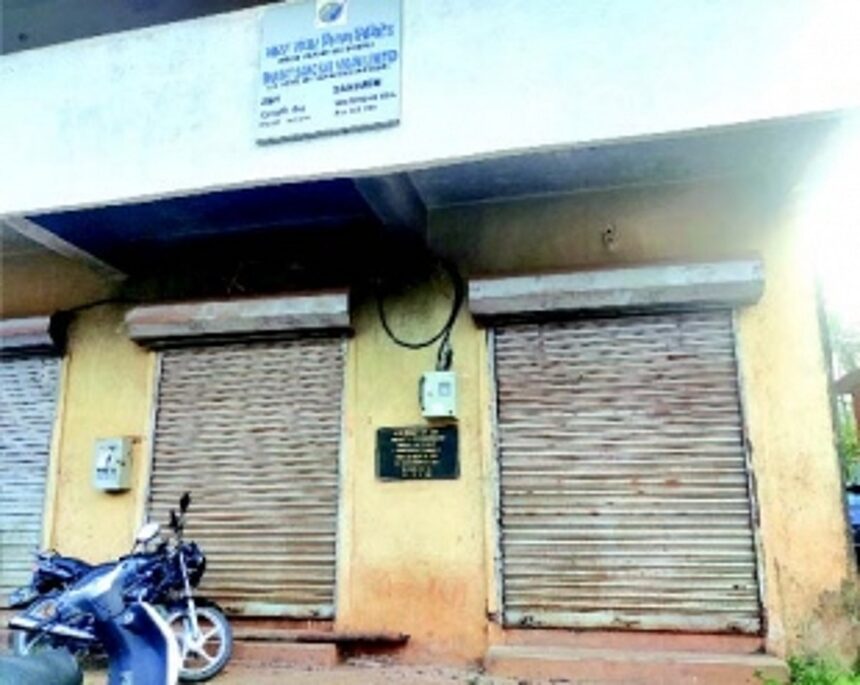
The closure of the BSNL office in Sanguem adds to the communication challenges, with no permanent employees stationed there. O Heraldo’s attempts to contact the BSNL officials in Sanguem proved futile, as the office remained closed for three weekdays.
The dwindling number of landline subscribers in Sanguem is attributed to the poor service provided by BSNL, prompting many residents to disconnect their landlines. This in spite of many remote villages having poor mobile network coverage- landlines used to be the only reliable mode of connectivity for emergencies. As the government explores privatisation plans for BSNL, the reduced staff in the telephone department has led to subpar service, pushing residents towards reliance on patchy mobile networks.