PANJIM: The Goa State Pollution Control Board (GSPCB) has hiked the monitoring fees of the offshore casino vessels, for discharge of sewage, by almost 100 per cent. The fees were fixed in 2018.
The Board during its recent meeting decided to hike the fees from Rs 5,000 to Rs 10,000 per trip during working days and Rs 12,000 per trip on holidays and non-working days.
Member Secretary Shamila Monteiro informed that the Board supervises the discharge of sewage from the casinos to night soil tankers as per the directions of the High Court. The fee includes the cost of monitoring and supervision of manpower.
She said that the rates were fixed in 2018 and have remained unchanged for the last four years. Monteiro said that considering that the manpower is required to be available on call and throughout the week, the amount was required to be enhanced.
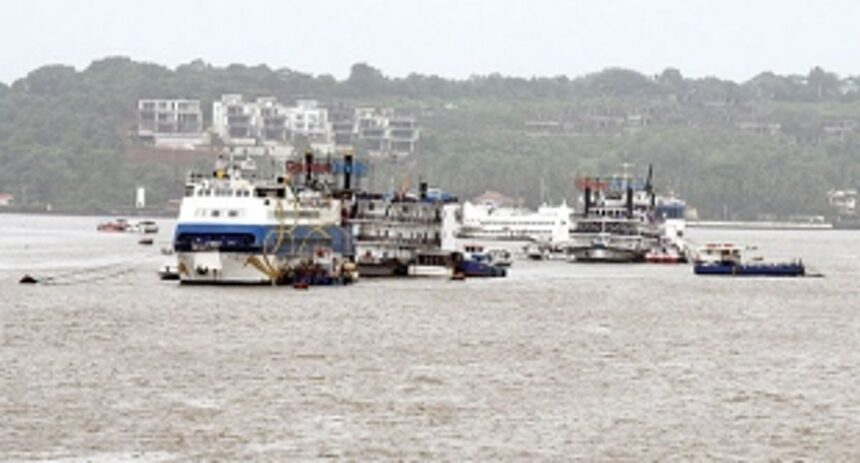
Though some members of the Board raised apprehension with regards to the rise in fees, the Member Secretary justified the requirement to station the manpower at the site. There are six offshore casinos vessels operating in River Mandovi.
In January 2020 the GSPCB-appointed agency conducted the water audit of all six offshore casinos, anchored on the Mandovi to investigate the practices adopted by the casinos for wastewater expulsion.
The water audit was required since a matter had come up in the High Court and with the NGT that the river was being polluted by the discharge of sewage by casinos. M/s TUY-SUD June 2020 submitted the final report, and the findings stated that there is no pollution from casinos in the Mandovi.
The casino/cruise vessels are required to mount a tank for the collection of sewage generated in the vessel. As per the Board, the said tank is locked and the same is opened in the presence of the officials of the Board and the Captain of Ports for discharge into the sewage tankers for treatment in the Sewage Treatment Plant. The records of the sewage collected and transported are maintained by the Board.