Team Herald
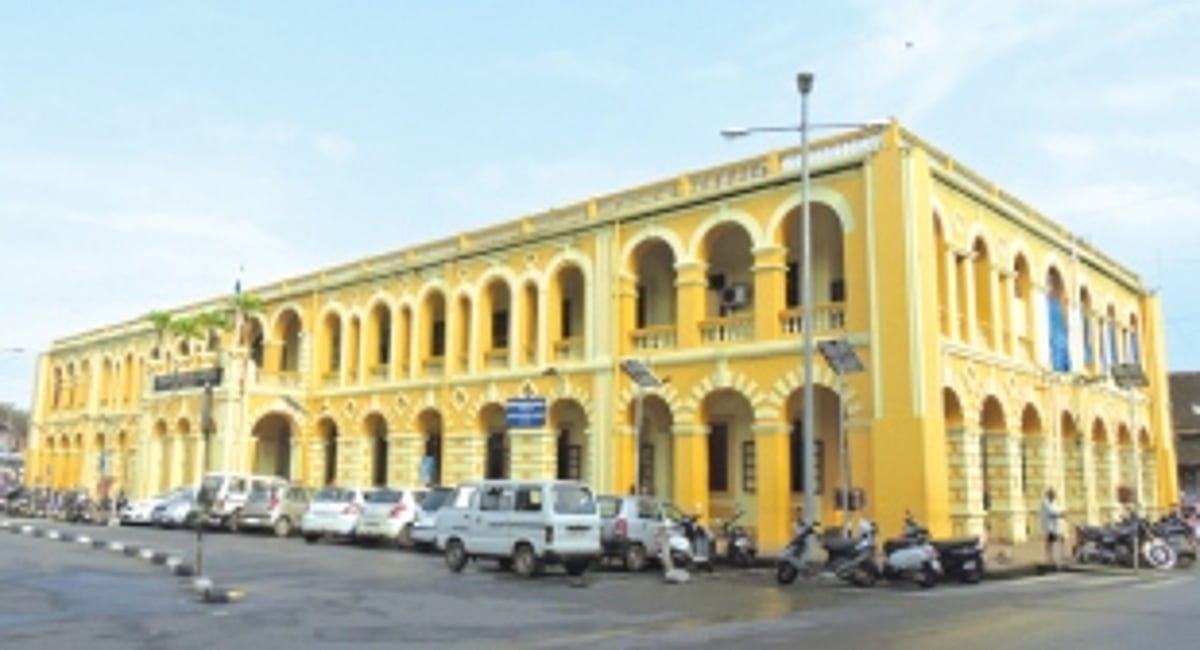
MARGAO: It appears that the Sonsoddo garbage dump yard is finally on its way out as the Margao Municipal Council decided upon two important matters related to it. In the first place MMC decided to make part payment to Sociedade Fomento and secondly they also decided to visit Bangalore to study the newly proposed “black hole” technology to deal with the matter.
It may be recalled that MMC had entered into an agreement with Sociedade Fomento under which the company was to deal with the garbage collected by the council. However, as the plant has not yet gone operational the company was not paid.
At the time of signing the memorandum of understanding Rs 1.3 crore was paid to the company and they were to be paid another Rs 3.90 crore once the plant went operational. However, the understanding was that Rs 2.40 crore would be paid for setting up the infrastructure while balance Rs 1.5 crore would be paid towards handling the dump yard.
While Sociedade Fomento has erected the building to segregate the waste it has not succeeded in tackling the dump yard. The company moved the Dispute Redressal Committee that directed the MMC to make part payment to the company.
While former chairperson Arthur D’Silva stressed the need to have a joint inspection and officially inaugurate the plant, councillor Ketan Kurtarkar demanded that the consultant’s report be submitted to the councillors to know the exact situation.
Chairperson Dr Babita Prabhudessai pointed out that the report was available for anybody in the council and asked members to take a copy. The council decided to pay the company a sum of Rs 2.40 crore towards the infrastructure that they have set up.
The chairperson disclosed that ECHO Properties Pvt Ltd, a New Delhi-based company, has proposed to clear the Sonsoddo garbage dump yard by using plasma ionization technology more popularly known as “black hole” technology.
She said the company promises to treat 100 tonnes of garbage per day and added that officials of the Pollution Control Board had already visited the plant run by the firm at Bangalore and further pointed out that MMC had, in principle, agreed to the technology provided it got approvals from the Pollution control Board, Biodiversity Board and other statutory bodies.
While the technology is unable to deal with construction debris, glass pieces and metal, the treated waste results in fly ash that can be used to prepare bricks or pavers and also tar is generated that can be used for construction of roads.
However, Dr Babita urged councillors to visit the site probably on May 24 so that they can acquaint themselves with the new technology so as to take a proper decision and suggested that the travelling to Bangalore and back will be borne by the council.