SHWETA KAMAT
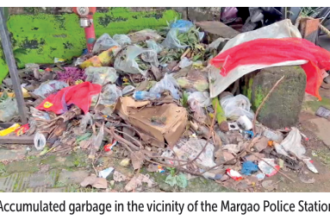
PANJIM: Goa’s state-of-the-art waste treatment plant located at Saligao is facing a challenge from unconventional garbage that is generated through tourism activities.
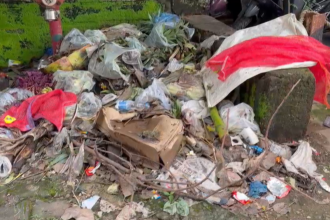
Broken beach deck beds, worn out furniture, wood, mattresses, pillows, sofas, suitcases, all of which come from hotels, coupled with tender coconuts, pose a challenge to Hindustan Waste Treatment Private Limited (HWTPL), which is currently operating the waste treatment plant.
“Now, in the month of May, you will have loads of mattresses, pillows, sofas amongst other item which are dumped on beaches. This is tourism related bulk garbage,” Goa Waste Management Corporation’s (GWMC) Managing Director Sanjith Rodrigues said. “We don’t mind collecting bulk waste but it has to be put up properly at one place,” he added.
This waste, collected as part of beach cleanliness, travels to the plant at Saligao. “You can’t treat this garbage so it is shredded and sent for incineration,” he said. The tourism industry should properly galvanise itself more sincerely towards the waste collection, he added.
If this was not enough, the plant also receives a lot of sand as part of the garbage during the collection thereby affecting the machinery. Rodrigues said the corporation and HWTPL are working on finding solution for this kind of garbage.
The waste treatment facility at Saligao was inaugurated in May 2016. The plant has been handling up to 150 tonnes of garbage during the season every month from 26 panchayats, mostly from the North Goa coastal belt.
The plant has the capacity to handle 100 tonnes per month garbage which can be extended up to 125 tonnes. But the increasing demand has evinced the need to expand its capacity to 250 tonnes. The facility is also generating electricity for captive use and sells the surplus to the State power grid.
Rodrigues said they have received the Environment Clearance for the expansion of the plant to 250 tonnes which is extendable up to 300 tonnes. “Now we have to value the treatment cost and the total gross operational fee that needs to be paid to the company,” he said.
The corporation will soon prepare a proposal for expansion to the State government which would give the financial sanction after which over the period of one year, the entire project would be expanded to fit the increased requirement.