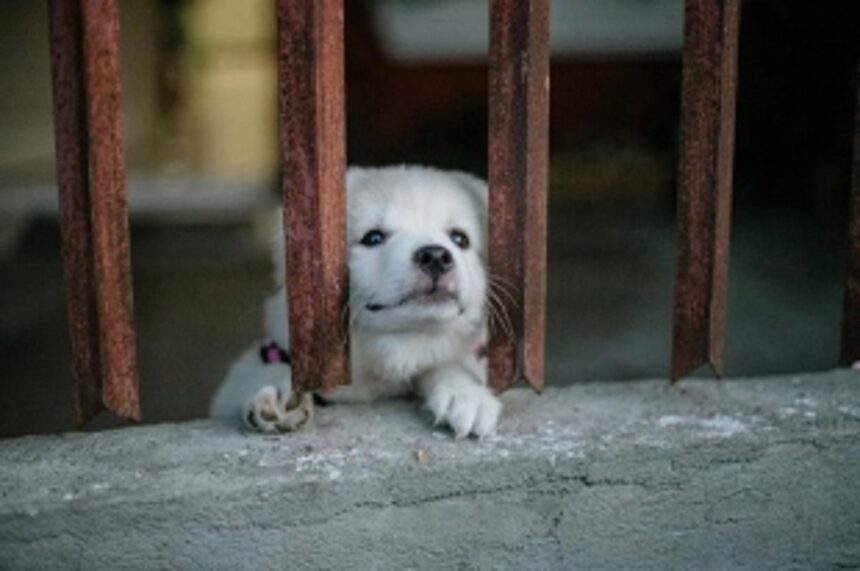
In a historic move, South Korea’s Parliament has prohibited both the sale and consumption of dog meat, a tradition deeply rooted in the country’s history. The passing of this bill marks a major shift in societal attitudes towards animal welfare, with an increasing number of Koreans considering dogs as cherished family members.
Once perceived as a means to combat the humid Korean summer, the consumption of dog meat has steadily declined over time and is predominantly associated with older generations. Criticism regarding the inhumane methods of slaughtering dogs, like electrocution or hanging, has played a pivotal role in diminishing the practice.
The legislation, aimed at upholding animal rights values advocating for respect for life and a harmonious human-animal coexistence, received overwhelming support in Parliament. It garnered 208 votes with only two abstentions after approval by the bipartisan agriculture committee.
However, the law will come into effect after a three-year grace period. Violations could result in penalties of up to three years in prison or fines of 30 million won ($22,800).
The Korean Association of Edible Dogs, representing breeders and sellers, intends to challenge the law’s legitimacy in the country’s Constitutional Court.
Ahead of the bill’s passage, the association demanded compensation, seeking at least 2 million won ($1,520) per dog to cover losses over the next five years, along with expenses for facilities affected by the law’s implementation.
The agriculture ministry has vowed to work closely with affected businesses, estimating that around 1,100 farms, breeding 570,000 dogs for approximately 1,600 restaurants, will be impacted by this ban. The farmers’ association highlighted that the prohibition will influence 3,500 farms raising 1.5 million dogs and affecting 3,000 restaurants. While acknowledging the industry’s concerns, the ministry plans to ensure stable operations and offer maximum support within a reasonable range to mitigate the ban’s economic impact on relevant businesses.