Team Herald
PANJIM: The Goa government has cited trial court’s “dual standard” in appreciating evidence, misreading of personal apology sent by the accused to rape survivor, victim’s post-trauma behaviour, her education and being conversant in rape law as some grounds to challenge Tehelka magazine founder Tarun Tejpal’s acquittal order.
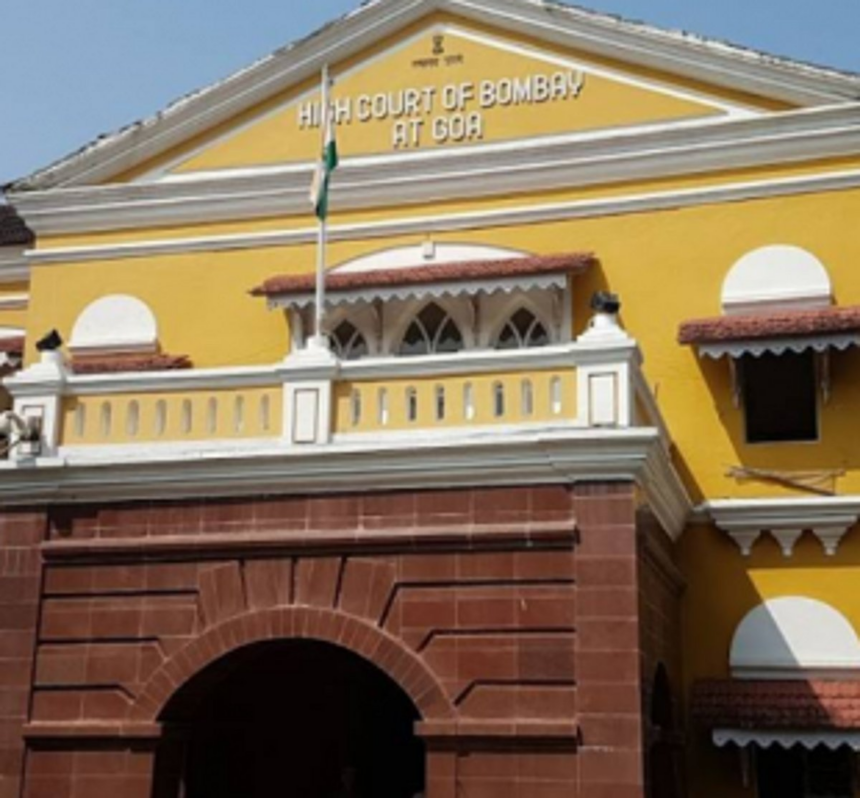
Calling the judgment as shocking, the government in its appeal filed before the High Court of Bombay at Goa has pointed out to the trial’s court apparent legal bias against the prosecutrix (victim) when it suggests that it is unsafe to rely on her testimony as she is well educated, a good writer, proficient in English and above all conversant with the rape law, and was “a capable, intelligent, independent person”.
“The Trial Court, unfortunately, deploys the prosecutrix’s strengths and accomplishments to dispute her testimony. It appears that the victim’s work in the field of gender and an article on compensation for rape survivors authored by the prosecutrix and such other accomplishments have, in the eyes of the Trial Court, impacted her credibility,” the government’s 66-page appeal reads as.
Apology emails by the senior male journalist, which were allegedly overlooked by the trial court has also been the main highlight of the appeal.
The government observed that it was abundantly clear that the Respondent Accused (Tejpal) has admitted to an ‘encounter’ and he claimed he had no idea that it was non-consensual until his daughter (Tiya) confronted him the next night. The reasoning of the Trial Court that the personal apology did not contain any admission of a sexual assault is falsified by the personal apology itself, the appeal states.
“The Trial Court’s obvious misreading of the personal apology sent by the Respondent Accused to the prosecutrix cannot but go unnoticed, in a series of illogical inferences drawn by the court while dealing with the issue of the apology sent by the Respondent Accused to the prosecutrix,” it added.
The State also mentioned that conclusions by the Trial Court are completely without basis and are unsustainable in fact and in law and are a consequence of a preposterous reading of the evidence by the Trial Court.
“PW45 Shoma Chaudhary herself in her evidence has stated that “the apology that I drafted was sent b Tejpal to the alleged victim with a copy to me.” Furthermore, the prosecutrix PW1 in her examination-in-chief stated “On the 19.11.2013 the accused sent me emails acknowledging and apologising for the fact that he had forced himself on me despite clear reluctance.” There was, therefore, no occasion for the Trial Court to come to the conclusion that the said apologies had not been sent by the Respondent Accused to the prosecutrix or that they did not constitute an admission,” the government said citing testimonies of witnesses.
The State, which is now represented by Solcitor General of India Tushar Mehta along with Advocate General Devidas Pangam submitted that if Tejpal had contested the Complaint given by the victim, he was well within his rights to himself ask for the setting up of an Internal Complaints Committee, to hold an enquiry into the veracity of the allegations. However, from the very first email of Chaudhary addressed to the victim, it was made clear that Tejpal was “terribly, terribly ashamed of his shameful lapse of judgment and the way he misread the situation. He is absolutely willing to apologize”. “It defies reason and common sense as to why an apology was given if there was a contestation of the incidents in question. The Trial Court has completely ignored the most telling piece of evidence in the case which established the guilt of the Respondent Accused beyond a shadow of doubt,” reads another extract of the appeal, hearing on which is scheduled before the High Court on Wednesday.
Because the Trial Court was in complete error in disregarding both the formal and informal apologies sent by Tejpal, the government said that the reasoning of the Trial Court is contradictory and illogical.
“It is most respectfully submitted that the Trial Court erred in using consistency in testimonies to inexplicably disregard valuable corroborative evidence. Colleagues at the workplace are the most natural persons to confide in and it defies logic how the Trial court could reach the above finding. On the other hand, the Trial Court, considered the evidence of Neena Tejpal (PW36), Shoma Chuadhary (PW45), Mallika Singh (DW1) and Nikhil Aggarwal (DW4) as gospel truth despite the fact they were closely connected to the Respondent Accused. This clearly demonstrates the dual standard of appreciating evidence adopted by the Trial Court,” the appeal mentioned further.
On adverse inferences against the victim for smiling in pictures and not looking traumatised after the two incidents of alleged assault, the appeal further states that the victim’s behaviour was natural as there was an international literary festival underway involving hundreds of delegates, celebrities and journalists when the alleged incident occurred on the two days of the THINK Fest on November 7-8, 2013 and she also feared losing her job.