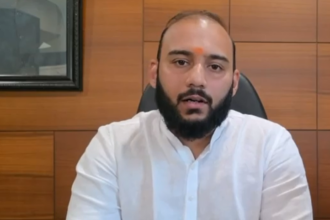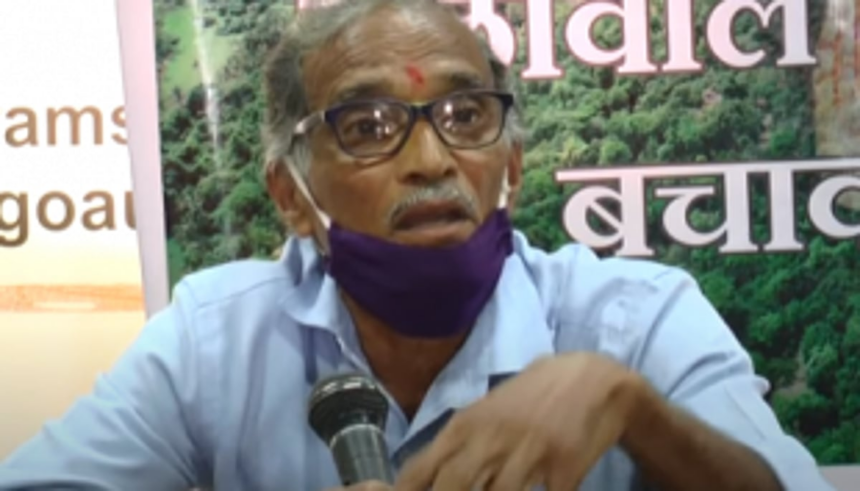
PANJIM: The group of villagers from Melaulim, Sattari, who were detained by the police for attempting to hold a media briefing opposing the proposed Indian Institute of Technology (IIT) project in their village on Thursday, strongly condemned the police action and also raised objections to the educational project.
Four villagers were detained by Valpoi Police on Wednesday, even before the media interaction, on the charges that the meeting was organised without requisite permissions, which are mandatory since Section 144 of the CrPC is in force. Police Inspector Sagar Ekoskar and the Valpoi team are facing severe criticism for their action.
Goa Union of Journalist (GUJ), while condemning the police action, on Thursday invited the villagers for a media interaction and to raise their voice against the project, which is proposed at Melaulim village. The government has acquired nearly 10 lakh sq mtrs of land from the village for the IIT project.
Addressing the media, Ram Melekar said that till date the villagers have not been informed as to what the IIT project is, how much land has been acquired and whether the villagers, who are cultivating the land, will be provided compensation and alternative fields.
“Hundreds of villagers have been cultivating the land for decades now. Farming is the only source of livelihood for these people. Will the government give them an alternative to survive?” Melekar questioned.
He said that villagers were never taken into confidence by the government while going ahead with the project. He also said that though the land belongs to the government, for decades now, it has been serving as a livelihood to several families.
Another villager Shubham Shivolkar pointed out that as against the government contention that the survey 67/1 has no natural resource, there are eight perennial sources of water like springs and wells, and a major portion of the area is forest cover.