TEAM HERALD
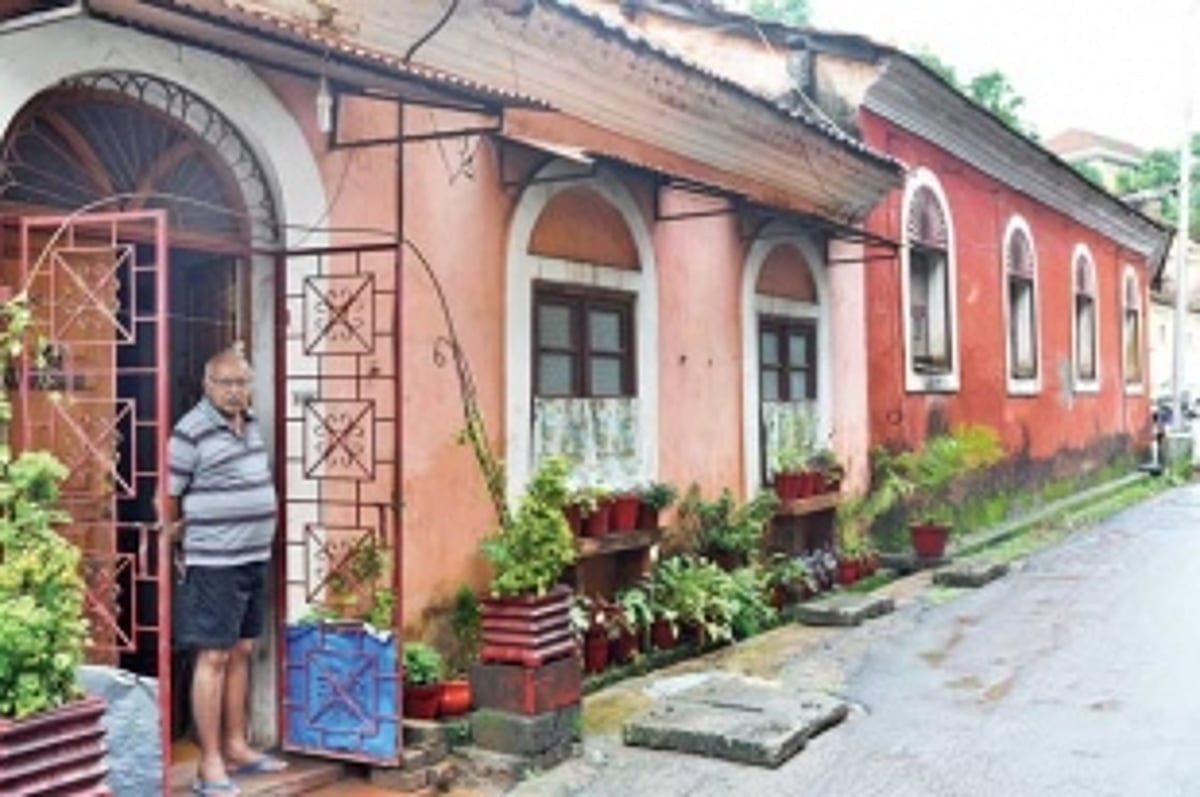
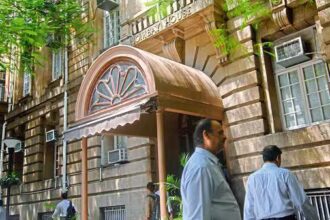
PANJIM: Panjim is a treasure trove of beautiful Portuguese style residential and buildings housing institutions. Fontainhas in designated as the Latin quarter of the city, identified by its distinctive architectural style residential buildings. Another area that still has these old style buildings is Campal.
A study on Conservation of Heritage Areas in the City of Panaji (A Case Study of Fontainhas Area) by Shaikh Ali Ahmed (Planning Assistant, North Goa Planning and Development Authority), and Dr B Shankar, Professor, Institute of Development Studies, University of Mysore has listed out problems faced by one of the city’s heritage areas.
According to the study, Fontainhas continues to be a focal point for heritage tourists. There are still clusters of quaint old houses in particular on one street in Portais and around St Sebastian Chapel, which should be maintained.” Admitting that progress is inevitable and a desired process, it calls for the progress to be sustainable.
“The changes seen in heritage areas are due to ineffective legislation and development control. The conservation regulations have remained ineffective in controlling these areas from disorganized developments,” it says, calling for a sound policy towards conservation. It advocates the need to revise the conservation regulations. It says that allowing more Coverage and FAR in the area will ensure that it gets more congested and the very character of the area will be lost. It says that that Fontainhas was one of the first areas to be inhabited on account of the creek and the presence of fresh water springs after the construction of “Ponte de Linhares”.
Some of the heritage resources of Fontainhas area are: 1. Maruti Temple, houses of 2. Veira Velho, 3. Mario Ribeiro Santana 4. Lima Fernandes, 5. Christopher Nazareth, 6. Diogo Fonseca, 7. Mr. Rodrigues, 8. Ivo Fernandes, 9. Old Mint House, 10. Residence of Superintendent of Post offices, 11. Hotel Republica, 12. Fontainhas Spring (Fonte Fenix), 13. St Sebastian Chapel, 14. Sao Tome Chapel, 15. Chapel of Portais, 16.House of Mr. Fernandes.
The study enumerates some problems in the area
– Traffic gets congested during the peak hours due to 7 schools as well as office crowd.
– The area has narrow streets, lanes, and dead ends. Besides alternate roads for trafficdiversion.
– Old structures have developed cracks in due to non maintenance.
– No incentives given to the house owners for maintenance and repairs.
– Buildings of architecture and aesthetic importance have been sacrificed in the name of development.
Planning Strategies enumerated in the study
The conservation planning strategy should include the following:
(1) Identify and list heritage resources of high significance in Fontainhas for protection.
(2) The new development should confirm to the aesthetics and characteristics of the surrounding area in terms of elevation, height, bulk, roof pattern, colour scheme and materials used.
(3) Make the narrow roads in Fontainhas pedestrian friendly.
(4) Provision of intra non-polluting electric vehicle transport service in the area for residents.
(5) An area of 1000 sq mts should be acquired for the purpose of development of multi-storeyed parking for the residents only.
(6) No parking zone should be made in this area except for residents.
(7) Incentives in the form of rebate in taxation should be given to the owners of the heritage houses for maintenance of heritage properties.
(8) Effective and well thought heritage conservation regulations should be developed for regulating development in the area.
The Outline Development Plan 2011 of Panaji has declared five areas as “Conservation Zone”, and marked as “F” in the plan: (1) Campal, (2) Mandovi river front (3) Fontainhas & Portais, (4) Altinho and (5) Fonduvem, Ribandar. The area comprises of 62 hectares’ or about 15 per cent of the settlement area not including steep slopes.
“The changes seen in the areas of heritage over the years are due to ineffective legislation and development control. The conservation regulations have remained ineffective in controlling the heritage areas from disorganized developments,” says the study.