If Panjim’s heritage zones need medical aid, it loses the battle since there are no regulations to protect the heritage zones of Goa’s capital. And as builders eye the areas, they are actually helped by the TCP department, as it modifies conservation laws without even inviting suggestions from the public.
Built on Mandovi River bank, Panjim city is an architectural wonder. Fontainhas, Mala, Altinho and Campal have always been a big draw for tourists and recently film shootings, a concept which is not very well welcomed by the people living in these heritage rich areas.
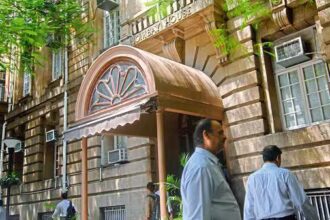
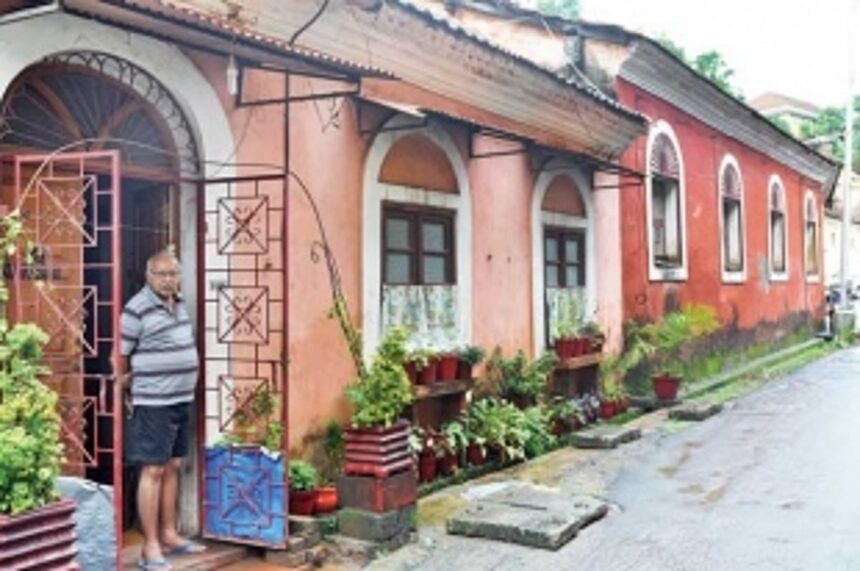
The city has more than a 1,000 structures of historicalarchitectural and above all heritage importance. Sadly, it is at the mercy of planning authorities who it is feared, in a piece-meal fashion, could send the same to oblivion. Some of the buildings in Fontainhas, an old residential area, are over 150-year-old and stand tall as a symbol of a bygone era in Goa’s rich history.
However, in the absence of legal protection and failure of the government machineries to maintain this age-old unique structure, the heritage buildings are giving way to multi-storey plazas in Goa.
“Goans are aware of what a wonderful heritage we have. We have one of the greatest heritages of domestic architecture in this world. Our houses are really phenomenal houses. But maintaining the same is a biggest issue and failure on part of government to provide any helping hand, forces many of us to sell out our houses to builders,” Ralf Coutinho, who once owned a heritage home at Mala-Fontainhas, said pointing out to series of houses that are converted into either restaurants or art galleries, attracting tourists.
Civic activist, Patricia Pinto claims that the heritage areas in Panjim instead of being looked at positively at least from the tourism point of view are being slowly destroyed by the very same authorities that have been set up to preserve/conserve/maintain such areas.
“If you would have to take off the four heritage areas of Fontainhas/Mala, St Tome, Altinho and Campal from the map of Panjim, there would be very little left to feel good about. Residents/house owners are never ever taken into confidence or asked about their problems in maintaining their heritage homes. No effort is made by the authorities to assist house owners in maintenance of such houses or the area around,” she lamented the woes of people living in the heritage areas of Panjim.
Pinto alleged that there is a covert attempt to destroy whatever is left and the reason she is saying this is the way the regulations have been tampered with, by the Town and Country Planning authorities by clandestinely modifying the Conservation regulations without publishing the same for objections/suggestions from the public as required under the law.
TCP department move was highly objected by the local activists, which however, did not prove fruitful.
The architects situated in Panjim feel that the capital city has an edge over other tourist destinations for its unique heritage, which needs to be protected, conserved and maintained with the assistance of experts. They however, are of the opinion that “rather than waiting for the government to provide a helping hand, the owners of the property themselves can make an effort for its maintenance and conservation”.
Raya Shankwalkar, an architect, said that though Panjim has got a number of heritage structures, government does not have any regulation in place to protect these traditional structures. Government should have come out with certain kind of assistance for conservation, he said.
“At the same time, I feel, considering the commercial value of the Panjim city, the owners of the heritage structures can convert part of their houses into commercial establishments like café, which would help in funding the maintenance of the house,” Shankwalkar stated.
Herald Solutions
Introduce a Heritage Zone Protection Bill which envisages a regulatory authority consisting of experts, stakeholders and citizen representatives, through which all modifications and constructions permissions have to pass through. Heritage should be under the domain of the State and not under the CCP or any other body. Since the areas draw a substantial number of tourists, a mechanism to identify and quantify footfalls should be in place. A small fee can be charged from tourists for improving infrastructure including opening a gallery of photographs, artifacts and models of homes. Monies earned from these should be given to the Heritage Regulatory Authority. State should earmark a fund in its budget for heritage protection, a part of which should go towards upkeep of heritage homes, upto a yearly limit, to enable people to rent out portions to tourists for home stays.