. Who would have thought Goa’s fishermen would be reduced to tears in their own land
. Our fields and riverine systems are finished; There is no connection between so-called ‘development’ and protecting our fragile water bodies
It is a matter of deep sorrow that the traditional fishing communities of Goa have to once again literally come on their knees to plead and fight for the same rights forty-six years after the beginning of Goa’s ramponkar agitation.
No development can take place by hurting traditional communities
If traditional fishing communities and the larger ecosystem cannot be protected, then it is a shame to say Goa is developed. No development can take place by hurting traditional communities and their relationship with Goa’s ecosystem.
Way back in 1975 the Goenchea Ramponkarancho Ekvott (GRE) were fighting for the conservation of their fishing places, literally invaded by giant mechanised vessels. This led to the implementation of the Goa Marine Fisheries Regulation Act in 1980, which also specified mesh size for the fishing nets to protect the baby fish. This was the victory of Goa’s fishing communities like ramponkars, magkars, gabits and pagi.
Is this the same battle being fought today? Is this the way we treat our traditional fisherfolk?
In April 2021, the National Fishworkers Forum (NFF), along with nine affiliated fishing organisations submitted two memorandums to Fisheries Minister Fillipe Neri Rodrigues against LED light fishing, bull trawling and cage culture in the State.
Subsidies on fuel have been reduced and other hardships
Several subsidies for petrol, outboard motors have been reduced. Fuel requirements per trip are only increasing and with rising prices, it is crippling for fishermen, especially if there is hardly any catch available. Therefore for trips without a catch, the price of petrol still has to be paid. Meanwhile, there are issues with pending subsidy payments too.
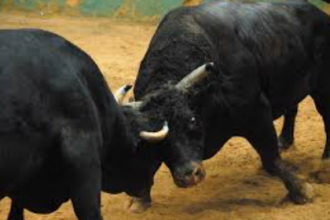
The ban on bull trawling not implemented led to the plunder of our fish
The Fisheries Department has failed to implement the ban on bull or pair trawling and the use of LED lights equipped with or with generators in the territorial waters to date.
A local fisherman in Betul had once told Herald and this is a feeling that exists all over. He said, “Who do we talk to? Ministers and MLAs have big fishing boats. They are in the business. Some have been ramponkars before. Otherwise, why has the government not managed to enforce their own ban on LED fishing?”
The Govt, shockingly, has admitted that it is handicapped in its efforts to control LED fishing
In November 2017, the Central government had ordered a ban on fishing with the use of LED lights from zero to 200 nautical miles. But the Fisheries Department did make an effort but they had jurisdiction only up to 12 nautical miles.
For 2017 to 2020 the State government was in the process of notifying rules to impose stringent fines on bull trawling and LED fishing. It also planned to impose a fine amounting to five times the value of the fish catch netted. But it remained just that. An announcement.
Fishermen face hordes of issues but have no fish
Ramponkars have faced adverse weather, boats capsizing and if this situation persisted prices of even local fish would rise.
The Sal has become difficult to navigate
The mouth of River Sal has become very dangerous to navigate as the sand bar has increased its length and height and poses a threat to small and medium types of fishing vessels.
Even the larger ecosystem has got destroyed
In the 1970s, the famed engineer, late Urban Lobo, was a warrior against the destruction of coastal sand dunes. A people’s movement resulted in a judicial order against sand dunes destruction, but even till today our sand dunes are not only not protected but destroyed indiscriminately.
In the sea, corals are destroyed. Along with this our rivers and backwaters do not have oysters and clams. One of the reasons for this is the pollution in the waters and construction debris entering water bodies. Earlier excess water was used for vegetable cultivation, etc. Farmers say that with water channels being blocked polluted water filled with debris are all over the fields leading to all-round destruction. We are getting vegetables with chemicals, fish in ponds and small water bodies are dying.
The salt pans are dying and so are our khazan lands due to the flow of saltwater into the fields which have no protection now. In the backwaters, the bunds are destroyed due to indiscriminate construction activity resulting in brackish water getting into the field sand flooding destroying them.
Fr Visitacao B Monteiro in an article in Herald, ‘Destruction of Goa’s agriculture’ wrote: “In the former Ganvkari system the bunds & sluice gates were protected through a regular weekly inspection by a vijia- (tol’luk) who used to repair immediately whatever water ingression was noticed in the bunds. If breaches occurred in heavy monsoon flooding, immediately the Comunidade started repairing the same, and in no time everything was set back in its place.”
Goa’s ecosystem was all about co-existence. It is now about destruction
Will the people of Goa ever accept the fact that our beautiful environment which had resources for all is not only getting destroyed but is killing our way of life and sustenance? It is changing our ecology, our culture and environment and hitting traditional communities where it hurts, their livelihood.
Who is accountable? Who will pay for the mismatch between so-called development and the protection of our eco-systems?
Well Goa’s traditional communities are hurt and betrayed and will soon give their democratic response in February 2022.