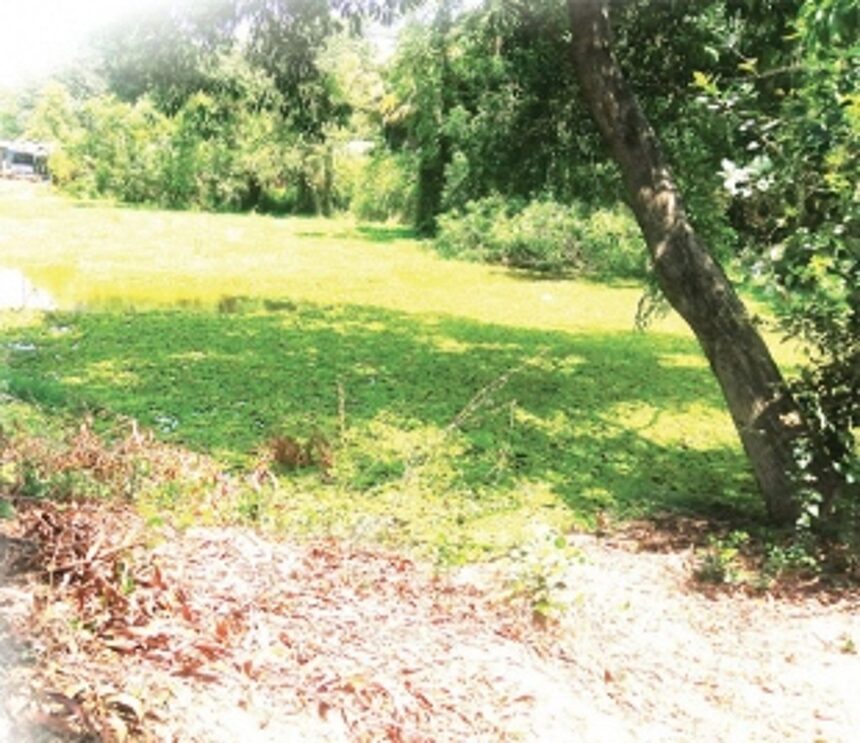
CANACONA: Canacona was once known for its serene ponds that were also a source of livelihood for farmers. However, these ponds are now facing a slow death because of neglect and urbanisation.
Most ancient cities were developed on the banks of rivers or shorelines of lakes, and Canacona is no exception. Before the Konkan Railway line was introduced in the region, it was an uninterrupted stretch of land, and the water of high tide would reach up to Nagarsem without affecting the water quality of the ponds. However, urbanisation has led to the degradation of these water bodies, making it unsuitable for human consumption or recreational activities.
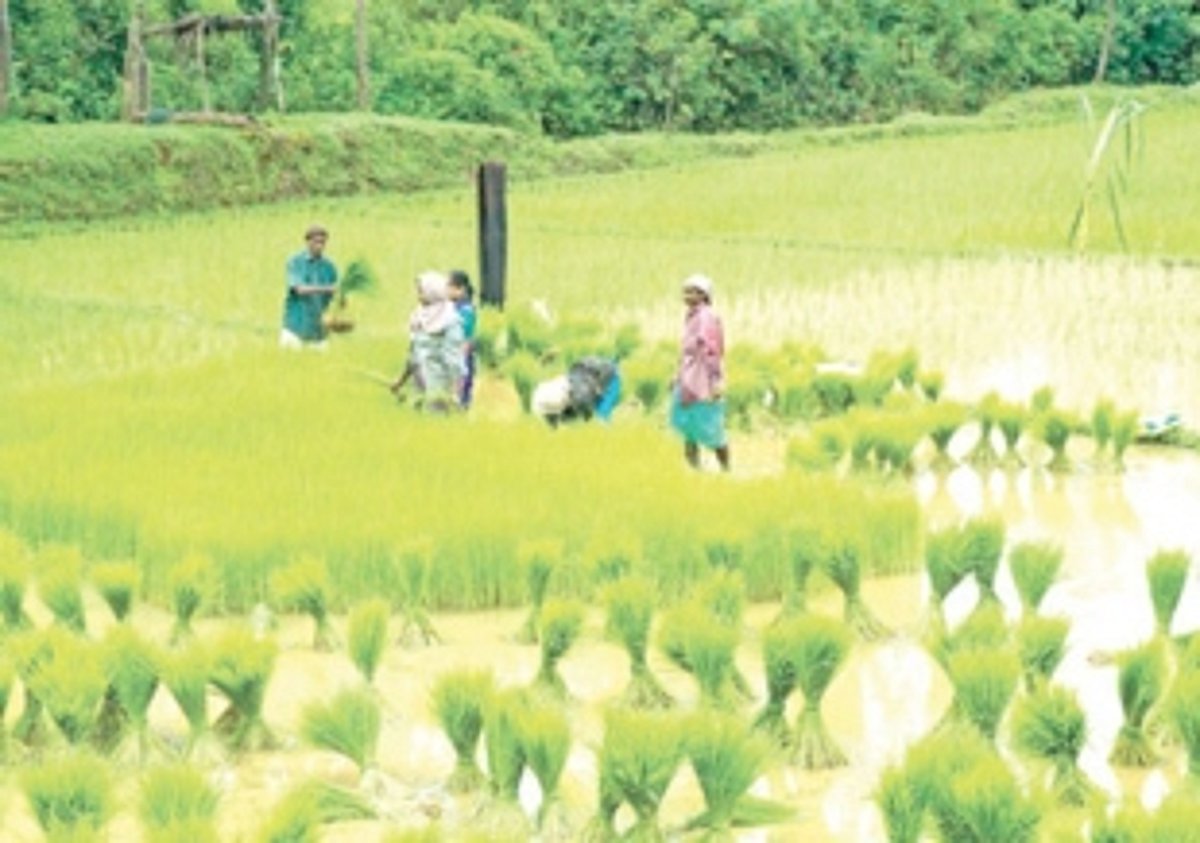
Chaudi, the commercial center of Canacona, has around eight ponds and lakes, including the largest one, ‘Vhodle Tale’, located near the KTC bus stand. Other ponds are located near Canacona railway station, Nagarsem, municipal vegetable market, and Bhagatwada. Approximately 10 hectares of agricultural land were dependent on these ponds, and during monsoons, they acted as a sponge that absorbed the additional water.
Unfortunately, the agriculture in the area has stopped, and most lands have become barren, which has led to the ponds’ neglect, as farmers do not take on the upkeep of these water bodies. Due to the accumulation of sludge, the surface of these ponds is now covered with sylvania plants, making them breeding grounds for mosquitoes.
The locals have called for the beautification and restoration of these ponds to provide recreational space for the community. They believe that the restoration of these ponds will help in preserving the environment, providing employment opportunities, and attracting tourism to the region.
The rejuvenation of these ponds will not only be a step towards preserving the environment by maintaining local ecology, but also a boost to the local economy.