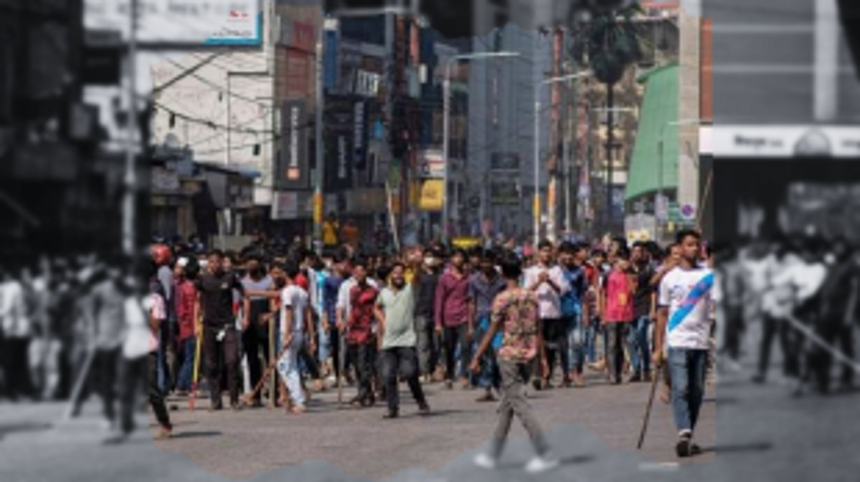
A series of violent protests by workers demanding a substantial wage increase has disrupted production for several top global clothing brands in Bangladesh, a prominent garment union leader revealed on Friday. The nation’s 3,500 garment factories, responsible for a significant portion of Bangladesh’s $55 billion annual exports, supply major fashion brands worldwide.
Despite this contribution to the economy, conditions for the approximately four million workers in the sector, predominantly women, remain dire, with starting monthly wages as low as 8,300 taka ($75). The unrest has led to incidents where striking workers have ransacked dozens of factories, while many factory owners have opted to close hundreds of facilities to prevent further damage.
Kalpona Akter, President of the Bangladesh Garments and Industrial Workers Federation (BGIWF), disclosed that some of the country’s largest factories, which produce clothing for a wide range of major Western brands and retailers, have been affected. These brands include Gap, Walmart, H&M, Zara, Inditex, Bestseller, Levi’s, Marks and Spencer, Primark, and Aldi, among others. However, there has been no immediate confirmation from these brands regarding production disruptions in Bangladesh.
Manufacturers, whose factories have been impacted by the protests, are hesitant to disclose the names of the brands they collaborate with, as they fear the potential loss of orders from buyers.
In the ongoing weeklong protests, police reported the closure of at least 300 factories, which have resulted in two worker fatalities and numerous injuries. Akter’s union has identified approximately 600 affected factories.
Around 3,000 workers attempted to obstruct their colleagues from resuming factory shifts as two major manufacturers, HaMeem and Sterling groups, reopened their facilities, marking another episode in the ongoing labour dispute.