SIOLIM: It’s not common to find individuals choosing an unconventional and challenging profession, one that’s often overlooked. However, those who venture down such paths can create a niche for themselves and set an inspiring example.
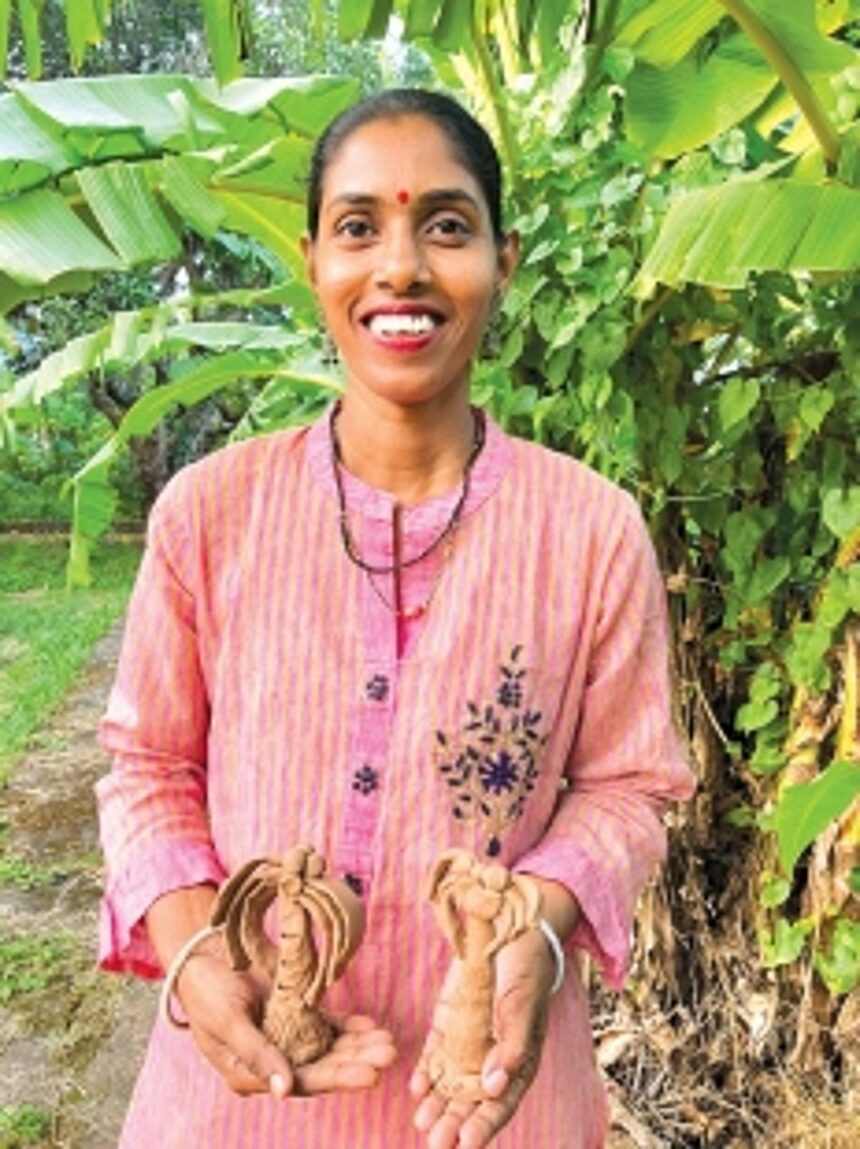
Poornima Sakhalkar, based in Saligao, is one such person. She hails from a family with a political background, but she has charted an extraordinary course, shaping her unique identity out of clay.

Originally from Saligao and now residing in Siolim after her marriage, Poornima crafts clay into decorative items of various forms, like seashells and durable mud jewellery. Inspired by her elder sister Vidya, who learned this art from renowned artist Verodina Ferrao of Mapusa, Poornima embarked on this creative journey.
She caters to a diverse age group, from five-year-olds to individuals in their sixties. Children often grasp the art faster than adults, making her proud to see their progress. She underwent rigorous training under Madam Ferrao for a year, and continued to seek guidance from and worked closely with Ferrao even after she launched her business.
“For about six years, I worked with my sister, and for the last approximately 15 years, I’ve been fully immersed in the art of clay moulding. I enjoy every moment of it. Initially, my mother and elder sister supported me upon recognising my talent in this field. Now, my husband is my strongest supporter,” Poornima reveals.
Having earned a distinctive place in clay moulding, Poornima is now sought after by various government departments such as Art and Culture, RDA, and Handicrafts. Through these departments, she has participated in interstate tours, exhibitions, and trade fairs. She also receives invitations from schools to conduct workshops and demonstrations on clay art, and proudly says she has also taught kids with autism. Poornima has been actively involved in organising exhibitions, workshops, camps and
courses within Goa to spread this art and engage more people in it.
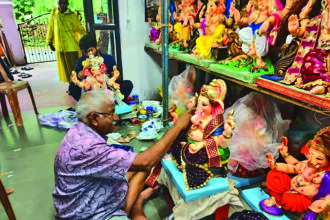
Poornima says that her clay art often draws inspiration from themes and festivals. She also crafts various clay items, including clay flowers, clay masks, animals, figurines, pots, ashtrays, candle holders, and whatever creative ideas come to her mind. She used to source a special clay from Bicholim, which can no longer be found there, and so, she now obtains clay from Mandrem. The clay is unique and requires thorough processing, including mixing with water, drying, and heating before it’s ready for moulding. A truckload lasts her three years, she says.
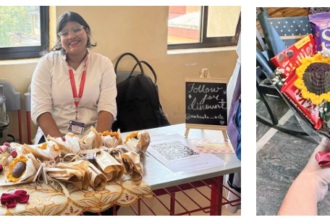
Regarding marketing and sustaining her art, Poornima attests that this profession has brought her immense satisfaction, joy, and a decent income. She mentions that her fees vary depending on the age group and the nature of classes she conducts. As for marketing, she sells her creations in Saligao every Tuesday and also from her house in Siolim. However, Poornima expresses disappointment when customers haggle over the price of her valuable art. She emphasises that this art was initially her hobby but has now become her profession. After dedicating significant effort, she finds it disheartening when people attempt to negotiate the price. “For such work, you are fortunate if you find customers who recognise the value of clay and the labour that goes into it,” she notes.
Poornima dreams of setting up a traditional showroom in her house, featuring cow dung and old-school handmade tiles, to exhibit her artistry. She believes in staying connected to the soil and preserving traditions, emphasising the importance of holding on to Goan identity amid the rush for big jobs that could lead to the erosion of cultural heritage.
Currently, Poornima conducts workshops in Siolim, where she observes a majority of non-Goans taking an interest in this art, as against very few locals. She recalls tourists who visited Goa specifically to learn this art, combining entertainment and education. Now, back in their respective states, they continue to practice this craft. Poornima is keen to see more Goans embrace and carry forward this tradition, believing that it’s an integral part of our heritage.