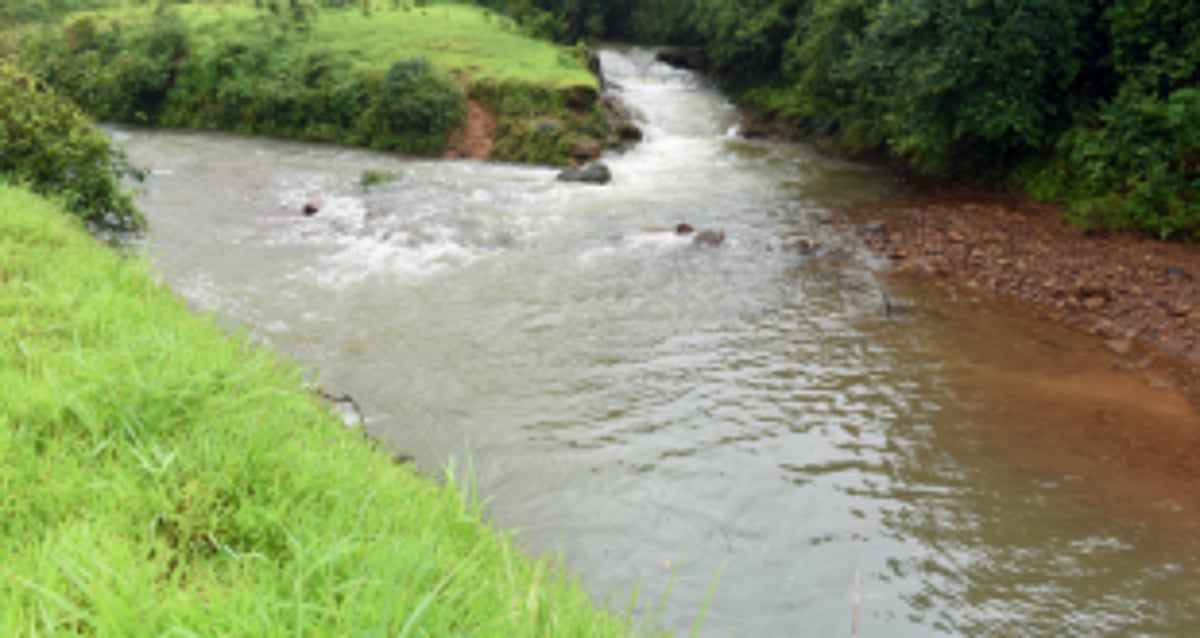
While there are clear legal options available to the government to stall the diversion of Mhadei waters, the most important being the unlawful tapping of the Surla river in Goa, which had not been allowed by the Water Disputes Tribunal, the opposition could have well moved the court on another important ground.
The act of diversion of waters from a wildlife sanctuary is a clear violation of Section 29 of the Wild Life Protection Act 1972, which prohibits anyone to “divert, stop or enhance the flow of water into or outside the sanctuary” unless permitted by the Chief Wildlife Warden, on the ground that change in the flow of water into or outside the sanctuary is necessary for the improvement and better management of wildlife.
The imposition has sharp legal minds including in the Assembly. Why the delay in filing a PIL?
No tribunal is above an Act passed in Parliament. The approval of Karnataka’s designs to divert water is a clear case for the courts under a PIL since this is tantamount to the destruction of our wildlife which is a natural and people’s resource.
The diversion will also lead to increased water salinity, which will destroy Goa’s fish produce, dry up our sanctuaries, and cause devastation to our forests. Goans will starve for fish and seafood as their staple diet and have to resort to a painful dietary lifestyle change. The opposition is as much accountable to stop this devastation as it can.
People of Goa will also be asking why the opposition cannot back a PIL to stop this. They must fight for Goa beyond taking on the ruling party. “Mhadei is above politics, and the opposition has a role to play beyond a political battle.”