The sheer will of the people who love Goa, to refuse to allow whatever is left of its land and its resources and surrender to a proposed model of ‘sustainable development’ – sustainable only to developers; won on Monday
Our heroes, once again have to be Claude Alvares, Abhijit Prabhudesai, and all other organisations and people who gave it all to protect every inch of our land and resources
The TCP minister, in London on a personal trip, sensed across the seas the pulse of the people as they gathered before the TCP office to file objections after objections, to the proposed amendments to the Goa Land development and building construction regulations.
The retreat, from going ahead with the amendments was wise and pragmatic, sensing the people’s upsurge, across gram sabhas, in the fields and the streets. The scope and the extent of the powers that the government would usurp to have hotels, schools, golf courses, and farmhouses on agricultural and orchard land, even with peripheral precautions and filters, had jolted everyone, and shock soon turned to rage.
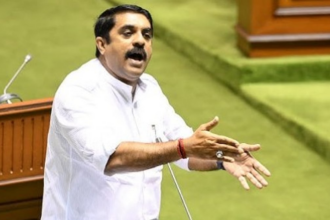
Minister Vishwajit Rane figured this and understood that mere abeyance wouldn’t quite cut it. Scrapping was the antidote that was prescribed. And to his credit he did it.
Meanwhile, the people’s movement against the 16B amendments to the TCP Act which literally made a mockery of the Regional Plan and brought about a model of ad hoc planning, as the deluge of zone change requests continued for years, has borne fruit
The twin aspirations of scrapping 16B amendments and the halting of the Land and Building construction amendments were fulfilled on the same day.
September 26, 2022, will indeed be a red-letter people’s day from now on.
Meanwhile, the process of engagement through a committee headed by the US-based Goan urbanist Vinayak Bharne needs both understanding and clarity. Bharne himself would need a thorough understanding of the purpose, process, and timelines of engagement.
Since an opportunity has been created, a more definitive template, rather than just a timeline of “development” should be redrawn keeping the Regional Plan as the base for everything.
The biggest bane in the development model being followed is the ample and dangerous room for adhocism and manoeuvrability, allowing land use patterns outside the scope that was envisaged. This model made exceptions the norm and planning negligible.
Most importantly, a level playing field needs to be created where our fields, farms and orchards, and sluice gates are protected because our irrigation, our navigation system, and riverine ecology are all intertwined.
This is not jargon but a scientific fact that economic development is impossible without ecological protection. Moving forward what our land needs simply is insurance from adhocism.