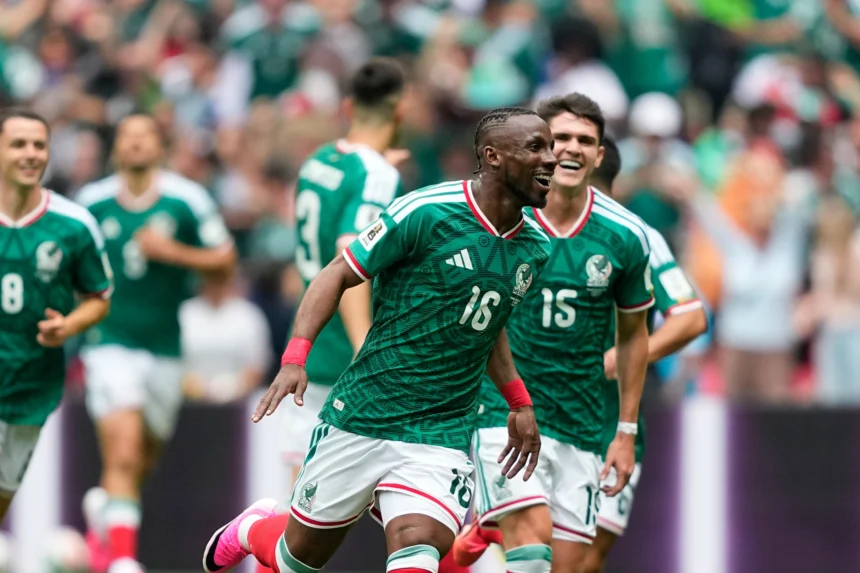
Fans watching the opening match of the FIFA World Cup 2026 between Mexico and South Africa may have been surprised when play was halted around the 25-minute mark of the first half. However, the stoppage was not caused by an injury, VAR review or technical issue. Instead, it was part of FIFA’s newly introduced mandatory hydration break policy for the tournament.
The break, which lasted approximately three minutes, allowed players from both teams to rehydrate and recover before action resumed at the Estadio Azteca in Mexico City. FIFA has made hydration breaks compulsory in every match of the 2026 World Cup, regardless of weather conditions, temperature, venue location or whether the stadium is covered or air-conditioned.

While water breaks were used in previous tournaments, including the 2022 FIFA World Cup in Qatar, they were generally implemented only when extreme heat or challenging weather conditions were present. The 2026 edition marks the first time that FIFA has standardised the rule across the entire competition.
The governing body says the move has been introduced primarily to improve player welfare during the expanded tournament, which features 48 teams and a record 104 matches across the United States, Canada and Mexico.
Apart from helping players stay hydrated, the brief pause also provides coaching staff with an opportunity to communicate tactical instructions. FIFA regulations now allow team officials to use handheld electronic devices such as tablets and laptops for coaching and player welfare purposes during matches.
The stoppage has also created a new commercial window for broadcasters, who can utilise the short break for advertisements without significantly affecting the flow of the game.
As a result, viewers can expect similar hydration breaks in every World Cup match, making it one of the most noticeable rule changes introduced for FIFA World Cup 2026.