MARGAO: Wildlife conservationists in Goa have raised serious concerns over a recent spike in marine animal deaths and injuries along the State’s coastline during the ongoing monsoon.
Multiple incidents involving various species have been reported in the past few days, prompting urgent calls for investigation and protective measures.
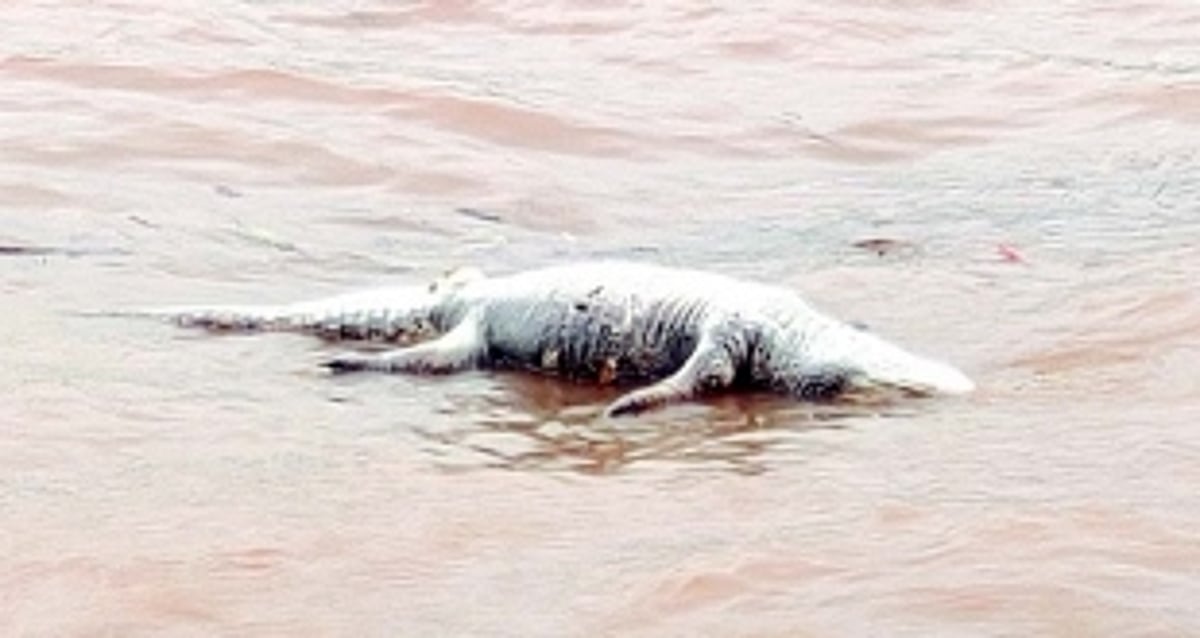
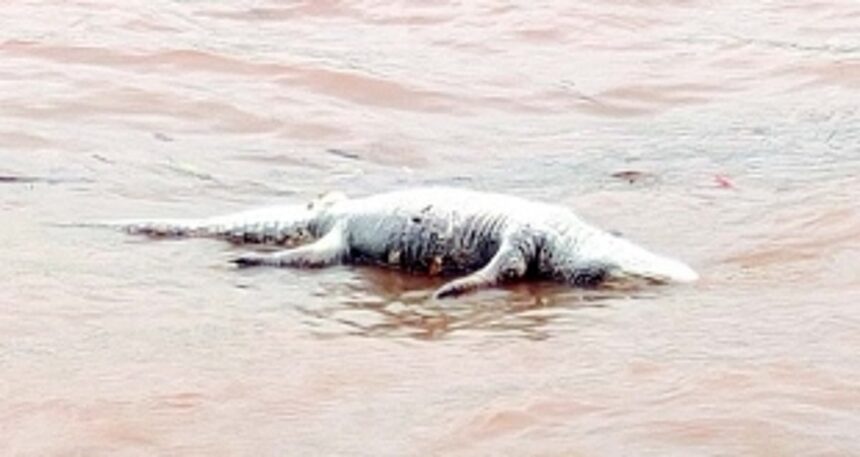
The alarming trend came into sharp focus on Wednesday evening when a dead crocodile was spotted floating in the Mandovi river at Campal, Panjim. This sighting follows a string of other distressing incidents that have occurred in quick succession across Goa’s beaches.
In South Goa, a dwarf sperm whale (Kogia Sima) was found dead on Zalor beach, while multiple finless porpoises – residents of Goa’s near-shore waters – have washed up deceased on various beaches including Benaulim, Colva, and Candolim up North. In a particularly troubling case in Colva, one porpoise was discovered with its tail cut off.
Seabirds, especially Bridled Terns, have been heavily impacted, with daily reports of injured or dead birds coming in from beaches such as Colva, Varca, Agonda, and Morjim.
Experts attribute their vulnerability to the harsh offshore weather conditions characterised by heavy winds and relentless rain.
Adding to the concerning pattern, three sea turtles were found injured on South Goa beaches. These incidents have put a spotlight on the challenges faced by marine life during the monsoon season and the need for enhanced protection measures.
Lifeguards, who have received specialised training, play a crucial role in coordinating rescue efforts with the Forest Department’s Wildlife division when injured animals are discovered on the beaches. The Forest Department then provides necessary medical treatment to the affected creatures, offering them a chance at recovery and return to their natural habitat.
However, the frequency and variety of affected species have raised questions about the underlying causes and potential long-term impacts on the region’s marine ecosystem. Environmental experts are investigating whether factors beyond the severe weather, such as pollution or changes in ocean currents, might be contributing to the increased number of incidents.
As reports continue to come in, conservationists are calling for a thorough investigation into these events and emphasising the need for increased efforts to safeguard Goa’s rich marine biodiversity during extreme weather conditions. They stress the importance of public awareness and urge beachgoers to promptly report any sightings of distressed marine life to the appropriate authorities.Team Herald