The annual Sunburn festival, synonymous with controversy, is once again at the centre of a storm as organizers face resistance from locals and the Communidade. This year’s uproar revolves around the decision to extend the event to four days instead of the traditional three, prompting strong objections from the community.
Local residents and members of the Communidade have collectively boycotted the extension, emphasizing their refusal to allow Sunburn to take place on December 31. The Communidade members have demanded the full venue rent of 2 crores and 43 lakhs for three days, along with an additional 15% as a security deposit. They have warned that if the specified amount is not credited on time, Sunburn will not be permitted.
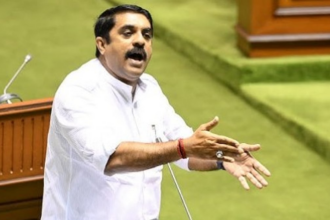
Tourism Minister Rohan Khaunte weighed in on the matter, announcing that the Department of Tourism would grant provisional approval to the Sunburn organizers for three days, from 4 pm to 10 pm only. This falls short of the midnight extension requested by the organizers. Khaunte stated that the decision was made following discussions in an empowered committee meeting.
Addressing the ongoing controversy, Khaunte remarked, “There is much hue and cry about Sunburn for the last month. Today it has been decided that permission be given to Sunburn organizers to hold the event on December 28, 29, and 30. They had applied to hold the event from 4 pm to midnight, but we have permitted them to hold the event from 4 pm to 10 pm only.”
The Tourism Minister also raised the possibility of monitoring the inclusion of a Goan village—a platform for Goan artisans, as seen in previous editions. He urged organizers to adhere to regulations and warned against taking the government for granted. Khaunte emphasized that future event organizers should submit their applications in January of the respective year.
The Sunburn festival, a major highlight in Goa’s event calendar, continues to stir debates and confrontations between organizers, local communities, and authorities.