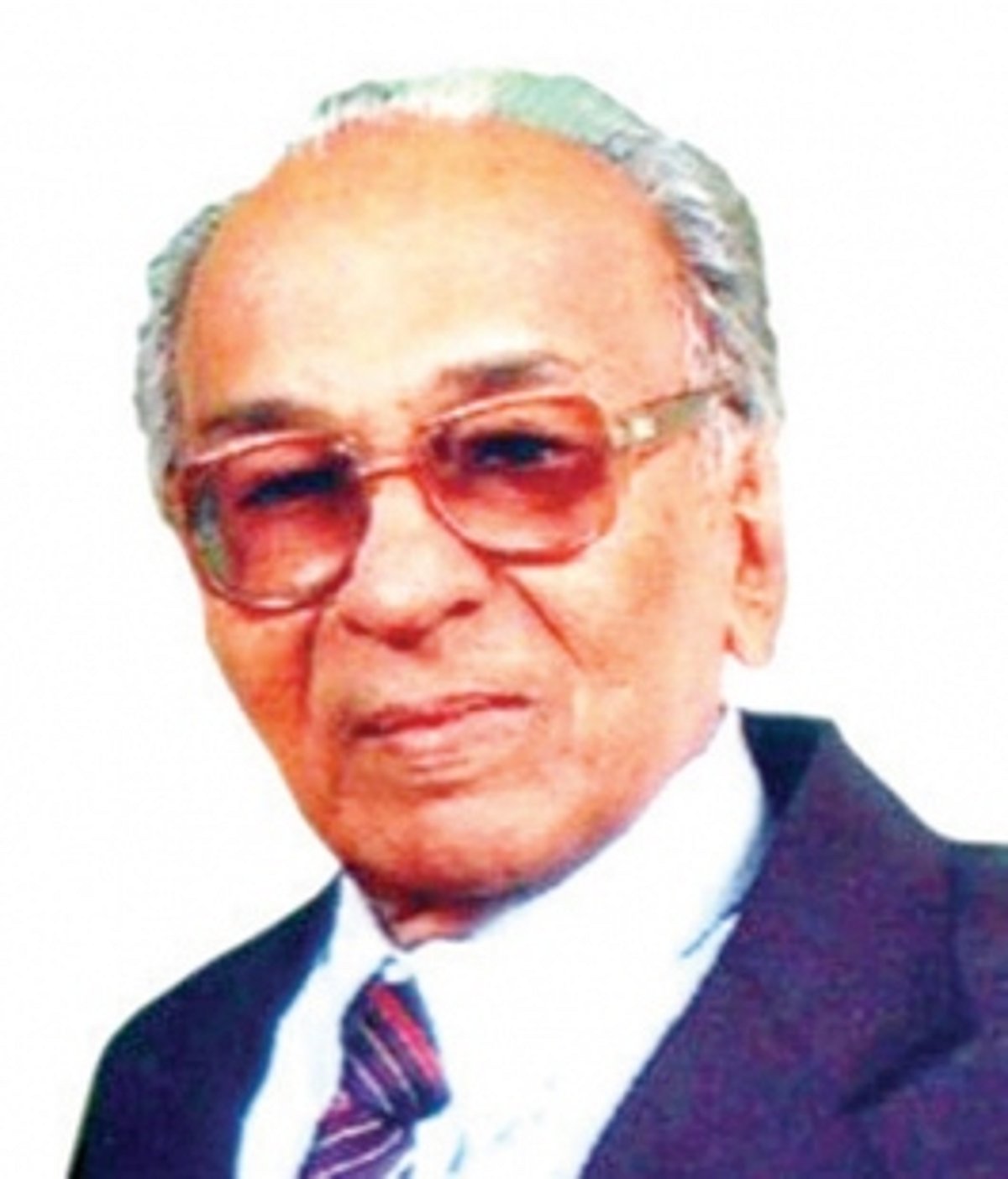
Early this month the social media was abuzz, in anticipation of the twenty-twenties; as for me, I was on a solo trip back to nineteen-twenty. My childhood was a shrine of happy pictures, yet the thought of that golden marker fading into the horizon would fill me with sadness. Why? Because while a young me was looking ahead to what would be, my father Fernando was already looking back upon what had been….
In my naiveté, 1920 still felt charming; as I grew older, I found Papa’s idealism, independence and integrity appealing. I looked up to him, especially because his life hadn’t been easy: the ‘roaring twenties’ of the West had played out quite differently in Portugal and Goa. Following a decade of political turbulence and galloping inflation, the country stabilised and the escudo roared upon the rise of Salazar the economist. Convinced that he was a man with ‘the right intention’, my father held him in esteem for his intellect and honesty – the antithesis of leaders in sham democracies.
After God, it was Goa uppermost in Papa’s mind. The Mass and the Bible alongside spiritual classics were his daily fare. To compensate for arid bureaucratic matters, he put his faith in reading, writing, teaching and music. Even while he took delight in the Romantics Eça, Camilo and Ramalho, he recommended some excellent Goan writers. Until his last breath he lapped up the masters of the Portuguese language, not forgetting two of our very own Goan purists, Costa Álvares and Filinto C. Dias.
One gets a bird’s eye view of Papa’s outlook from his first book, Momentos do meu Passado (Moments from my Past). He obliged us by writing this slim volume comprising ‘figures, facts and facetiae’: pen sketches of over thirty personalities from the Goan social and political milieu; some little-known facts of contemporary history; and a host of anecdotes dating back to his Lyceum days. In his words, he wished ‘to quench saudades of a not so distant past, when one lived in a happy and carefree manner unique to Goa.’
Papa’s intermittent observations on public affairs are lost in the thicket of Heraldo and A Vida for, whilst a bureaucrat in two key departments during the Portuguese regime, he used pennames of which he kept no record. In 1967, his commitment to ferry people to the booths on the occasion of the Opinion Poll (16 January, his birthday and Feast of St. Joseph Vaz) fetched him a resounding office memo.
Papa’s second book, Goa tal como a conheci (Goa as I knew it), contains the essence of his views on people, events and ideas. Covering as he did twentieth-century Goa’s political and administrative affairs, society, culture, and religion, in a total of eighteen chapters, this offering is a testimony of love for the land and the people. It is also a tribute to the Portuguese language that was so dear to him. After opting to retire from public service, he taught that idiom at a city college and co-founded a weekly, A Voz de Goa.
Music was high up on his agenda. The mandó moved him very especially and so did two popular Konkani films of his time which, he said, ‘foster Goan patriotic feelings’. The Goan reality, however, was a far cry from what he had envisioned, so I can say with Wodehouse that ‘if not actually disgruntled, he was far from being gruntled.’