Visitacao B. Monteiro
ecember 19 is celebrated as Goa’s Liberation Day. Liberation here is understood as freedom from Portuguese Colonial rule and becoming part of the Indian Union from 20th December 1961 – termed as the “appointed day” in the Presidential Ordinance No. 2 of 62 ratified by the Act of Parliament No. 1 of 62.
But are we really enjoying the freedom as the sons of this red soil of Goa? This is a big question almost every Goan is raising today. Territorial liberation from a foreign rule, does not necessarily mean real freedom.
After 1961, Goans had to fight with agitations, demonstrations, morchas and protests against everything destructive of Goa and till today they are still fighting. This means they are not yet free. Right from Ramponkars’ Agitation, Zuari Agro Chemicals Pollution Agitation, Nylon 6.6 (with 1 death), Konkani Language Agitation (with 5 deaths), Konkan Railway Realignment, Meta Strips, Regional Plan 2011, SEZ’S etc. (only to mention the main ones) and presently against Coal, Double Railway Line and Tanmar Electricity Line. How long will we have to still fight? – An open Question! Dissatisfied with this sort of Liberation and being unable to find suitable jobs, Goans are leaving Goa with Portuguese Passports to European shores.
This never happened during the earlier Portuguese regime. The Portuguese respected Goans and their land rules based on centuries old customs and usages, through which Goans grew themselves “as most peaceful people”, in their Village Communities termed by the Portuguese in their language – “Comunidades”. The Portuguese respected the autonomy of these institutions of self-governance, which is seen as being erased today.
As the most peaceful people in the world, Goans have never revolted against any Ruler. Well seen, Goans were ruled from the III Century B.C. till 1961 by over 17-18 Rulers, sometimes dynasties extending through centuries. From time immemorial till the III Century B.C., when a Ruler appeared on the scene, till 1961 they ruled themselves most democratically in their Village Communities or Ganvkaris taking care of ganvkars and non-ganvkars or migrants in their fold. Thus, they grew in the attitude of “loving, caring and sharing”. In this land of Goa, it is never heard that somebody died of famine (lack of food), precisely because of the above attitudes of real brotherhood in Goa – ‘a real Community or Somudai’.
Goans never fought among themselves too. Observing the general laws of Village Governance, based on the ‘Code of Manu’, each village was ruling itself and the attitude of cooperation and mutual understanding was there. This is seen in so many ways, specially in demarcating the boundaries of their villages and even in bunding the river waters between the villages on one side of the river and villages on the other side of the same, so as to limit the course of the Goan rivers through these bunds.
It is in these Village Communities that Goan identity, language and culture came to be developed, that Goans grew themselves as ‘sossegado’ people – without worries – as well-mannered and decent people.
Goans were really a free people. Their freedom to own and manage their own land, agriculture and governance was respected by every Ruler down the ages and the Portuguese on their arrival codified the customs and usages of the people of Goa, in the form of Foral De Afonso Mexia in 1526 and the Portuguese Government declared Goans as owners of their land on 15th April 1961 by Legislative Diploma 2070.
If we delve into some correspondence of Goa’s freedom between India and Portugal, available to us in the yellow pages of the Govt. Diary of 2011, celebrating 50 years of Goa’s Liberation, we will find the following:
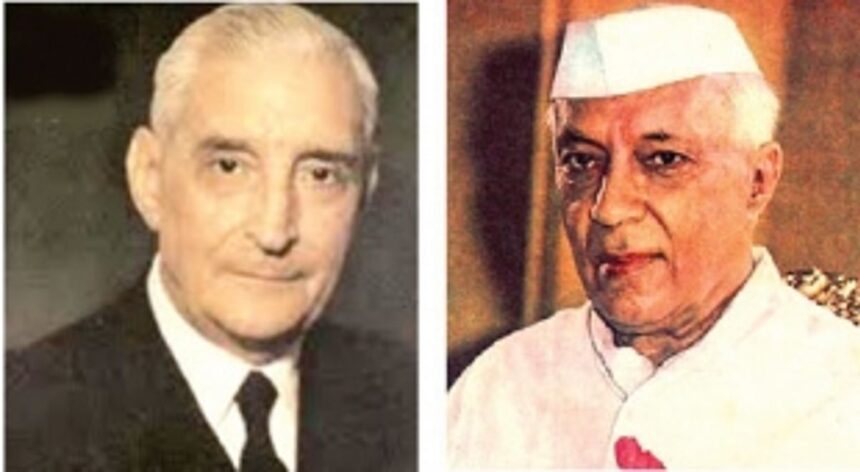
“After Independence, Pandit Nehru wrote to Dr. Salazar suggesting that Portuguese should depart from Goa, Daman and Diu honourably as the French had done in case of Pondicherry. In fact, Pandit Nehru wrote again to the Portuguese dictator in January 1953 saying that the political barriers artificially created by an accident of history for which no justification existed at the present time can no longer stem the rising tide of the national urge for unity. Simultaneously, the Prime Minister assured Dr. Salazar that India would maintain cultural and other rights, including language, laws and customs of the inhabitants of these territories and would make no changes in such and like matters except with their consent.”
Pandit Jawaharlal Nehru kept his promise made to Dr. Salazar and enacted the Parliamentary Act No. 1 of 1962 dated 27th March 1962 called “The Goa, Daman and Diu Administration Act, 1962, which says in its section No. 5 :
“5. Continuance of existing laws and their adaptation.
1.All laws in force immediately before the appointed day in Goa, Daman and Diu or any part thereof shall continue to be in force therein until amended or repealed by a competent Legislature or other competent authority.
2.For the purpose of facilitating the application of any such law in relation to the administration of Goa, Daman and Diu as a Union Territory and for the purpose of bringing the provisions of any such law into accord with the provisions of the Constitution, the Central Government may, within two years from the appointed day, by order, make such adaptations and modifications, whether by way of repeal or amendment, as may be necessary or expedient and thereupon, every such law shall have effect subject to the adaptations and modifications so made.”
If all these old laws are still in force, according to this Act of Parliament, how is it that Agricultural Tenancy Act 1964 and the Goa Land Revenue Code 1968 were enacted and forcefully applied to Comunidade Lands? It is because of these two legislations that Goa’s land has shrunk drastically. Who is responsible for this mess Goans are finding themselves in?
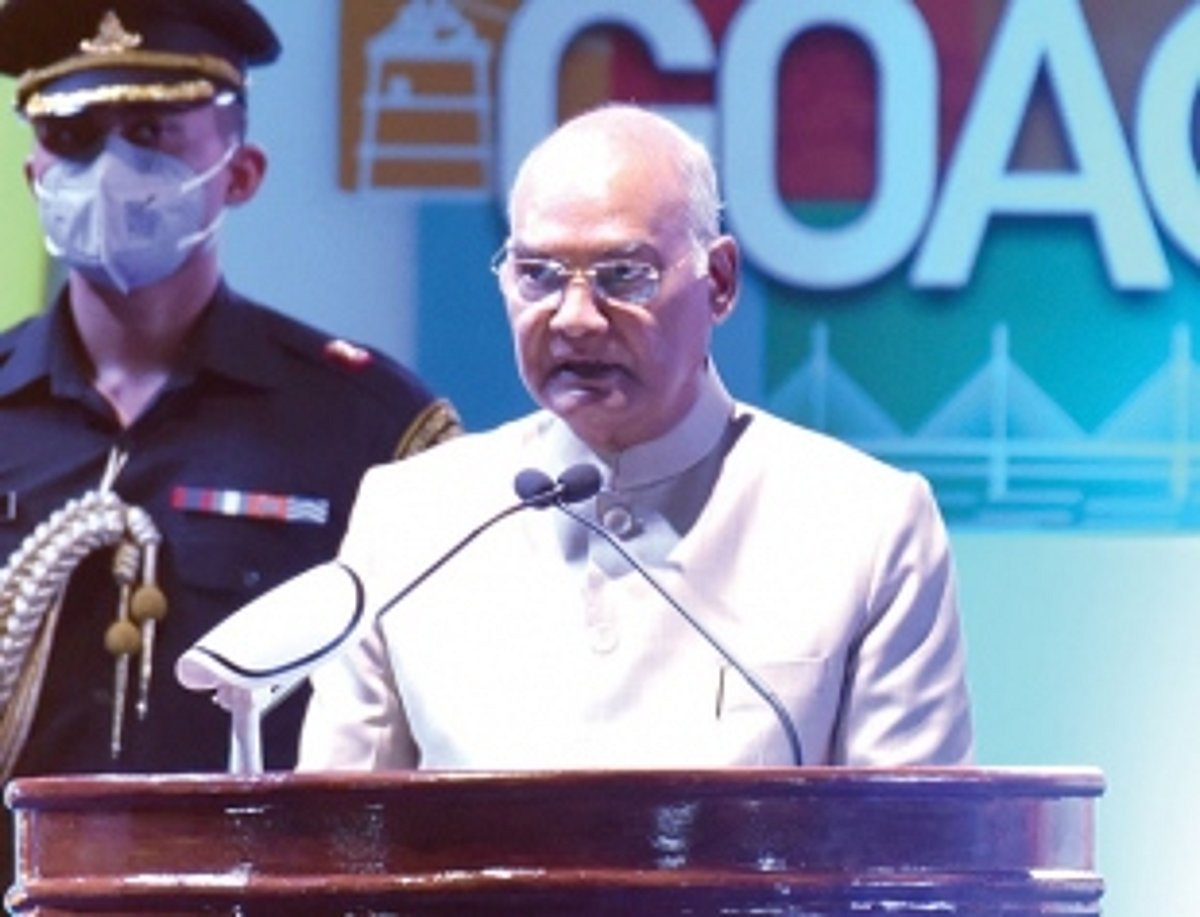
Some in the modern generation are questioning, why Goans kept quiet about this for so long? The answer is obviously the same as of today. If Goans raised their voice, they were called ‘Pro-Portuguese’, ‘Anti-Indian’, ‘Anti-Nationals’ and are still being called so. Those who did this were finished and even removed from their jobs with the Government. Is this the kind of freedom Goans were expecting and are celebrating today? Our Government has invited the President of India to inaugurate the 60th year of Goa’s Liberation and intends to spend Rs. 100 crores to celebrate Goan culture, history and traditions. Does our Government know from where our history, heritage, culture and traditions stem? And if it does, why is it that there is no mention of it at all in any of the Government speeches about Goa’s freedom in the last 59 years? Are they afraid of the truth? Let them know that only ‘Truth’ can make us ‘free Goans’ and not all this outer tamasha of celebrations while we are ‘subjugated’ day by day instead of being ‘liberated’.
I hope wiser counsel will prevail on our Government to see the Truth and follow it. Only then Goans will be able to enjoy the fruits of Liberation!