The proposed declaration of Goa’s protected areas as ‘Tiger Reserves’, Is likely to play a pivotal role in protecting, preserving and conserving the State’s wildlife. While there are a series of apprehensions in the minds of people residing in these areas, the Government as well as environmentalist claim that the move will have no impact on developments undertaken by the local communities but yes, will certainly restrain them from undertaking illegal activities like poaching and commercial activities.
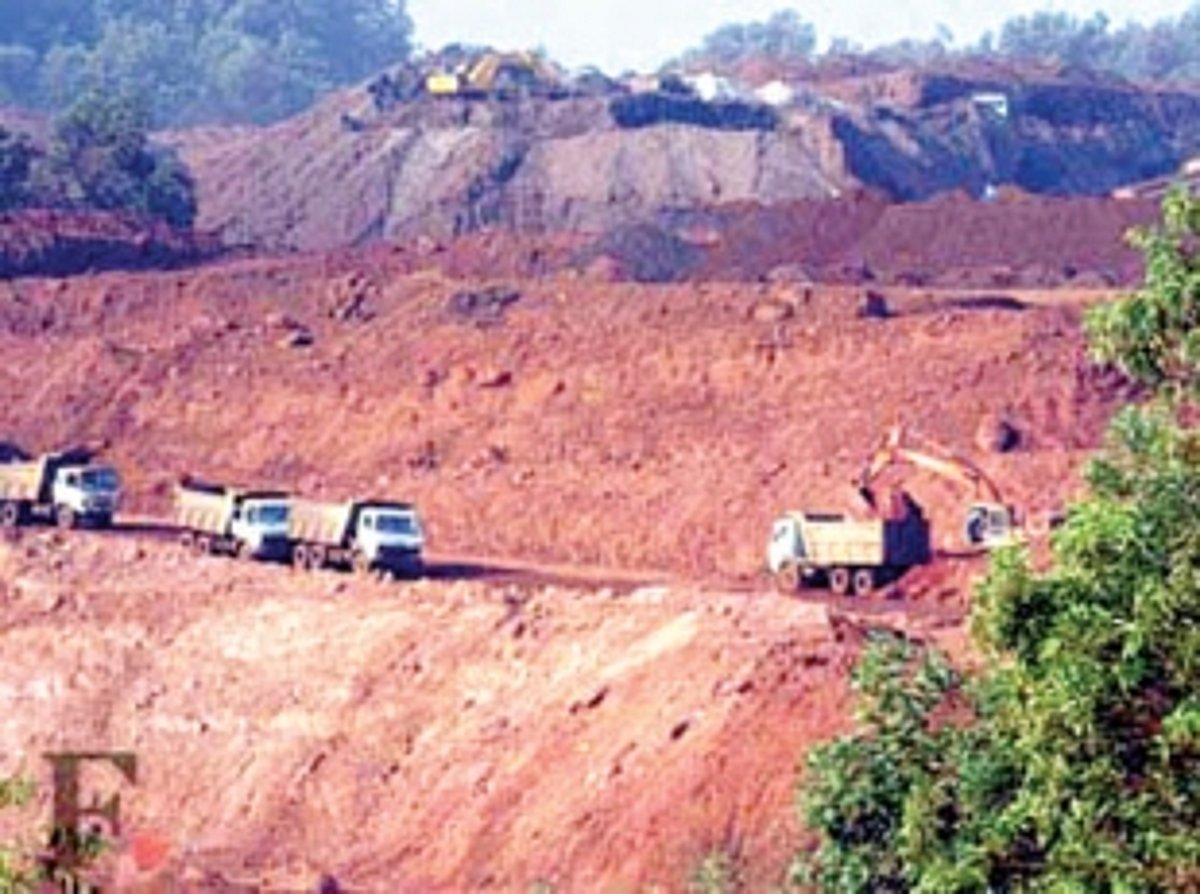
The declaration will have castigating impact on 12 renewed iron ore mining leases, as the chances of getting environment clearances (EC) from Ministry of Environment and Forest (MoEF) for its operation will stand almost diminished.
Goa has six wildlife sanctuaries –Mahdei, Mahaveer, Netravali, Molem, Cotigao and Bondla. The Mhadei WLS has 29 villages with a total population of over 2250, while another 1,500 population is residing in Netravali protected areas. Over 1,000 odd population resides in Cotigao WLS and all are tribal communities.
State government is even ready to consider the proposal for rehabilitation of the people from the wildlife sanctuaries if required. “Yes, we have no problem in doing that. If people want them to be rehabilitated, then that can be considered,” Forest and Environment Minister Rajendra Arlekar said.
“The areas have not been declared as tiger reserves yet, they are in the proposal state. But even after declaration, everything will remain the same…there will be no impact on the activities undertaken by the locals. These areas are already protected areas and as per Union Ministry for Forest, there are already do’s and dont’s specified for the people residing here ,” Minister clarified.
Activities like agriculture, horticulture, eco-tourism, or any other primary occupations, which is livelihood of the people residing in such areas, will continue.
The rehabilitation of the people can be done under the Wildlife Protection Act 1972.
Environmentalist and member of the National Wildlife Board (NWB) Rajendra Kerkar explained that declaration of the area as a tiger reserve will have no impact on the rights of the inhabitants in the protected sites.
“As per the notification issued by the Union Ministry in 2014, the rights of the people residing in eco sensitive zones of tiger reserves, remain intact, wherein they are allowed to undertake agriculture, horticulture, eco-tourism works, etc,” he said.
“At the same time, the notification gives the government powers to rehabilitate people, if they so demand,” Kerkar said adding that the locals are prohibited from undertaking major commercial activities.
He clarified that the inhabitants would have no right on illegally encroached forest areas. “Influential land encroachers are afraid they will lose out and are instrumental in galvanising resistance and misinforming villagers about the proposed reserve,” Kerkar explained.
Kerkar, who has been logging for declaring Mhadei wildlife sanctuary as Tiger Habitat for over a decade now, claims that tiger reserve will bring in Central funds towards the maintenance and protection of the forest, amelioration of the habitat and more importantly for Goa eco-development of the people living in the buffer areas of the reserve.
“Given that the forests of Goa have human settlements there will be need to protect these habitations and not just the people living in the buffer zone of the reserve,” he said.
But the mining lobbies will try hard to ensure that Government move is strongly objected. There are 12 iron ore leases belongs to V M Salgaocar (4), N S Narvekar (2), Kunda Gharse (3), and one each belonging to Ramakant Poinguinkar, Manual D’Costa and Achut Velingkar, which will have to shut down.
Total two million tonnes fresh extraction permission has been granted to these leases.
The leases are located in Netravali WLS, Bhagwan Mahavir WLS and Mhadei WLS.As per MoEF directions, these leases also have to be phased out within ten years period.
The tiger presence in Goa was felt in 2002 when the animal census authenticated the wild cat presence. This was followed by 2006 and 2010 census that also showed presence of tiger. Though, forest department failed to get the result of 2006 census, the 2010 census had stunned upon presence of five tigers in Goa’s wild, with increase number of leopards and wild dogs.
During camera tap method, inn April 2013, a tigress was spotted in areas of Mhadei wildlife sanctuary of Dongurli panchayat, another tigress and tiger were spotted in January and March, and in 2014 at Ivre and Zhadane forest area of Mhadei.