Halfway through to the half-a-century-old, the 50th International Film Festival of India (IFFI) is offering a bouquet of 200 films from 76 countries, out of which 26 feature films and 15 non-feature films are in the Indian Panorama Section. Around 10,000 people including filmmakers and film enthusiasts enthrall the golden jubilee celebration of the film festival hosted in Goa.
This is the scope for the filmmakers from different corners of the country to show how filmmakers midwife modern and unusually good ideas across the country, beyond the marquee of ‘Bollywood’. It’s indisputably the biggest platform to showcase ‘Indian’ films to the erudite film lovers.
Indian filmmakers showcasing their films in the Indian Panorama may not strike gold but cannot ignore the upliftment they get through presenting the films to a section of elite film literates.
After scoring a huge audience through his short-film ‘Bouma’ on casual chauvinism that is predominant in all class of society, which was released on an OTT (Over the top) platform, director Debatma Mandal is elated to have his film selected in the Indian Panorama non-feature section. The reach is limited and temporary at the first go, as there are several OTT platforms nowadays and every day many films, web-series are surfacing on the home page. So the choice is so wide, it narrows down the visibility of a particular film at large. “Film festivals like IIFI are a large platform and the audiences that populate such festivals are majorly filmmakers and very religious enthusiasts — so a ripple of discussion takes place and certainly the criticism about the films is very human and in real-time. When we screen it publicly, we get a first-hand reaction, whether it’s a good, bad or boring film. It helps me as a film-maker,” says Debatma Mandal. A film festival is a platform where these films should be recognised, which then brings huge support to good cinema and help fresh talent emerge.
When it comes to regional films, both the theatrically released and unreleased films are coming to IFFI and this gives potential mileage to the films.
Bengali superstar and producer Prosenjeet Chatterjee holds the credit of having at least one film, either as an actor or producer, selected in IFFI for the last 10 years.
“I remember my film ‘Moner Manush’ (2010) was screened in IIFI, seven days before its theatrical release. It benefits the film if it’s screened before the theatrical release; otherwise, it’s a great prestige that your film is selected for the panorama section,” says Chatterjee, whose film Jyeshthoputra (Eldest Son) is being screened this year.
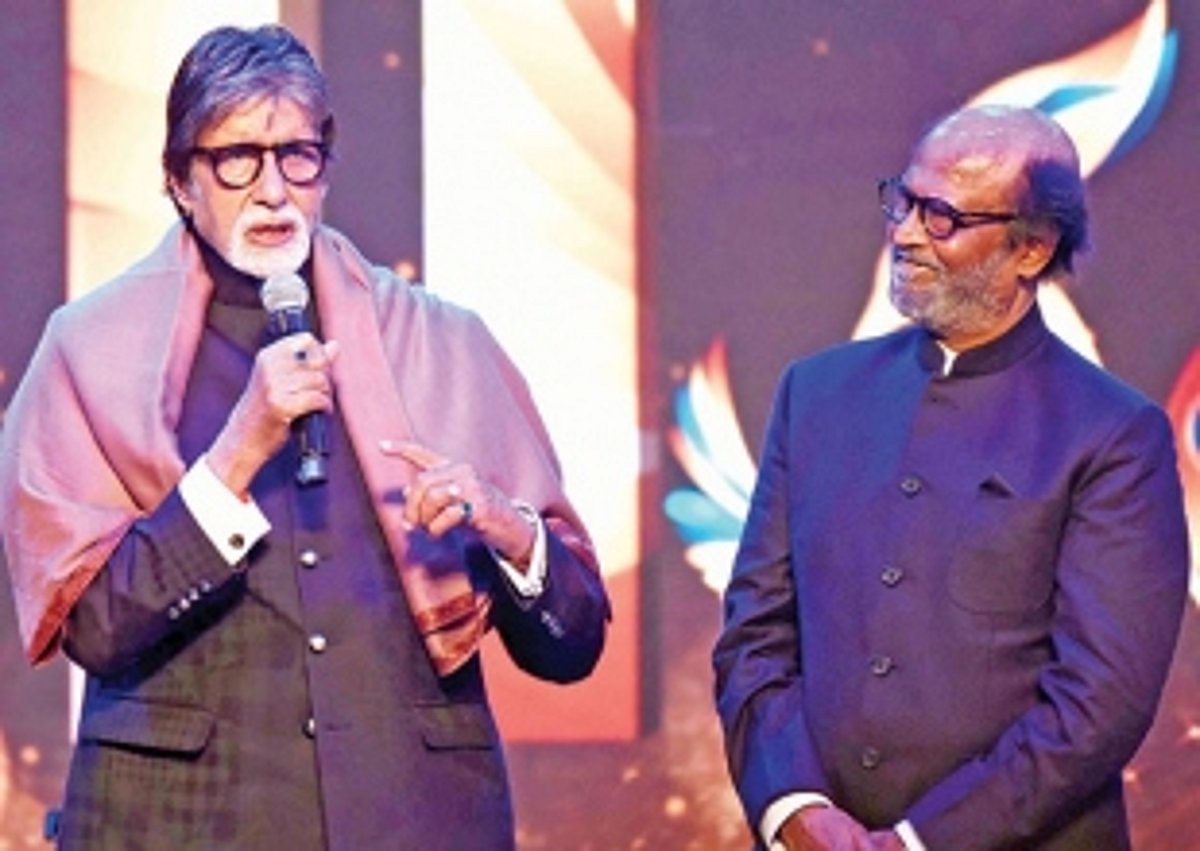
When IFFI counts on megastars Amitabh Bachchan and Rajinikanth to grace the opening ceremony of the golden jubilee edition, a couple of box-office hits of the year add glam to the festival too. Films like ‘Gully Boy’, ‘Super 30’ ‘Badhaai Ho’ and ‘Uri-The Surgical Strike’ are among the few meticulously chosen films that are being screened this year.
‘Badhaai Ho’ is a social mind-opener as the subject deals with a middle-class family how maturely it deals with the crisis when a 51-year old mother gets pregnant. “After the film is a success in the box-office, and then it gets awards and gets screened in a prestigious film festival like IIFI, it’s a very, very big statement to make for the film. If the international delegates like the film, then it increase the likability of a film in the International market also,” says director Amit Ravindernath Sharma, who unfortunately couldn’t make it to the IFFI to have a first-hand experience of the public reaction as he is shooting for his next project in Kolkata.
It’s also comes as no surprise that ‘Uri-The Surgical Strike’, is among the five Bollywood films shown in this Central Government-run film festival. Debutant director Aditya Dhar defends any political implications of making the film by the testimonies of its critical appreciations and exponential collections at the box office.
“Now, I am telling you a story of those ten days and what happened after the Uri attack and the surgical strike that took place on the eleventh day. If the decision was taken by the current government, I cannot bypass that, I have to showcase that. I have to show who the people were and I am trying to create a story, which is as close to reality as possible. Now, if that story influences someone or helped someone is none of my concern. My concern was to tell a story that would be a tribute to the Indian Army and something that my audience would enjoy. We are in the entertainment business so we have to entertain people and that was our agenda. It entertained people, that’s why it made so much money, got so many awards,” says Dhar
“When your film is almost a year old and it is again chosen to be screened by such a huge platform for an erudite class of audience, it feels incredible. I don’t know how it will help the film otherwise. This is the first time I am visiting any film festival since I have started working in this film industry. I am looking forward to this experience” adds Aditya.
None go empty-handed though. If the films are already released and have done their business theatrically, then screening at such a big platform like IIFI, give these films more credibility in their digital space. “On the digital platforms, these films certainly become talked about and viewed digitally. If they are unreleased films, it might help them during their release. The digital medium is big now. Rights of the digital medium are sold at crores and crores of rupees, so it does help over there, says film trade pundit Komal Nahta.
He doesn’t rule out the prospect of opening new non-traditional markets for Indian films too. “See, non-traditional markets take a very long time to open up. Of course, this festival is a very well-known festival, which is attended by so many countries at a time. So it opens up a market for Indian films, but it’s a slow process, says Nahta.