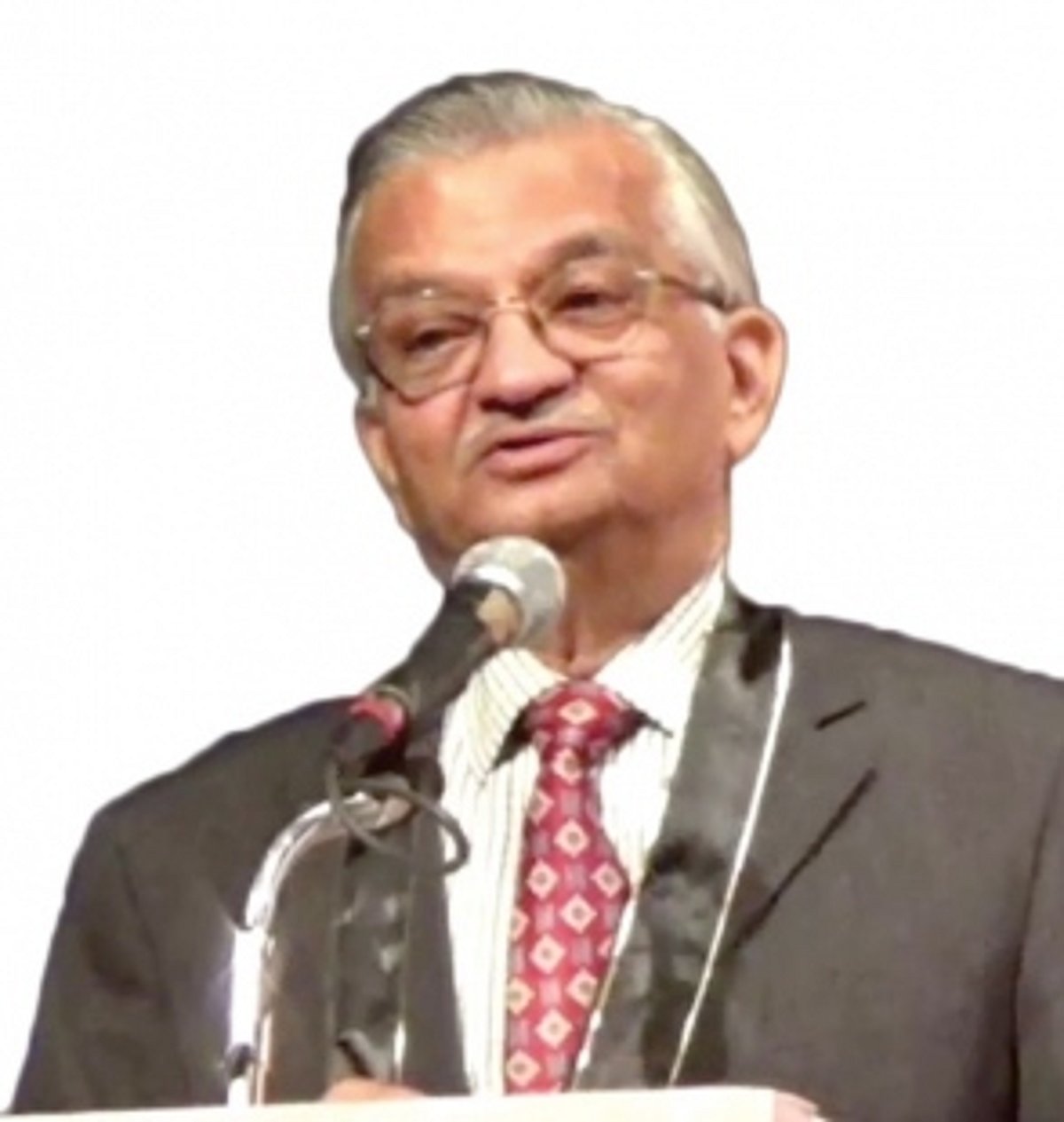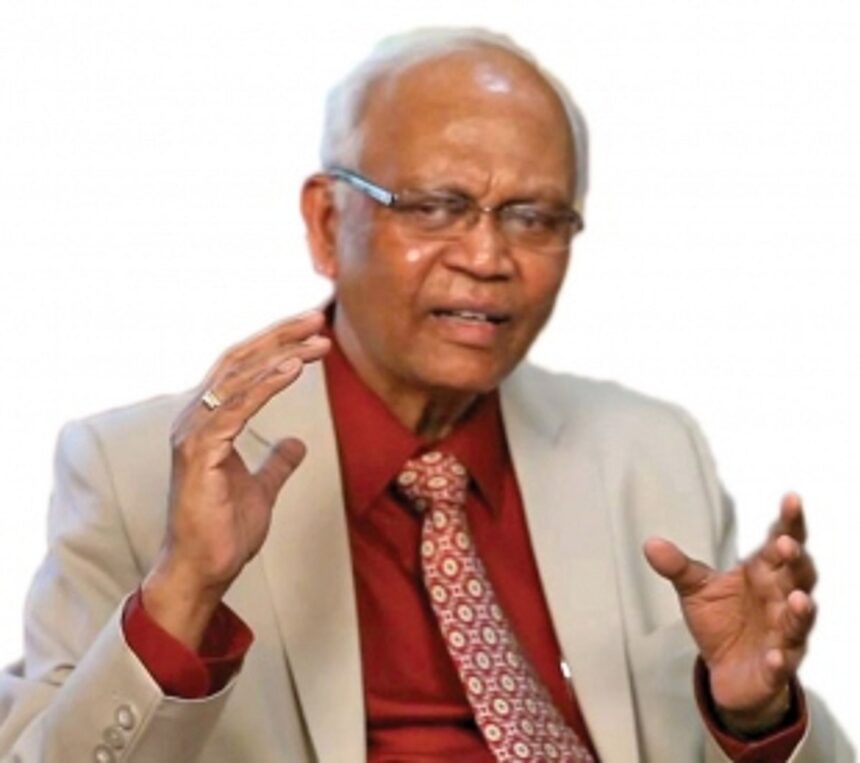
We have said it all in the Vision 2035 document. I think we had the benefit of having people like Anil Kakodkar and Vijay Kelkar and Vijay Bhatkar, Charles Correa and other eminent personalities they were all there. As matter of fact the document has the entire wisdom on how Goa should move forward. That document is as fresh today as it was then. I was very happy to hear the same point the moderator had made.
If one remembers we had talked about Suramya (serene and beautiful) Goa, Susanskrit (cultured) Goa, Santulit (balanced) Goa, Suviddh (knowledge centric, enlightened Goa) Samriddha (affluent) Sushasit (well governed) Goa, Swanandi (happy Goa) and under each we had given actionable plans.
For example, if you look at the industrial enterprise and how do we go, we had mentioned it in our report that for our industry, the strengths are natural resources, logistic industries, tourism and related service value, healthcare and pharma industrial value chain and knowledge, education and research and entertainment value chain. In fact, we had given concrete ideas. I mean, if you look at the way our economies have grown, we have seen growth in agricultural economy, manufacturing economy, innovation economy etc. If you look at creative economies today, Singapore, for example, their incomes from creative economy is close to 40.3 per cent, while ours is very low and the workers there scientists, technologists, academia, media etc.
We have also pointed out that animation market which operates is millions of dollars, even if you have 5 per cent one can see what difference it makes to the economy. I understand that this is work in progress but I think, if we go by that particular report, and I am not saying it because I chaired it as all of us were part of it, it is not that, we had the wisdom of the best minds in the country to create that. Having Goa at our heart, in fact, there are Gomantak Vibhushans as well. So I would say it is not the power of idea but the power of execution that matters. Please execute, that is all that I have to say.
On reimagining and reinventing post-COVID India, Raghunath Mashelkar said that he was extremely proud about the fact that Indian science has risen to the occasion and delivered. If you just compare, what it was and what it is today, we had no point of care diagnostics when the pandemic came. We were dependent upon the Chinese PPE and they were imported and found to be faulty, leaving us with nothing. I remember we were right here in Pune, that my lab after the genome sequence was known within six weeks they had created the RTPCR and then after that, what has happened in terms of the number of tests we were doing etc.
One must have heard that lot of people died because the ICU units were not available and there was a sudden surge in cases. Now internet of things (IOT) is being used in which case, you have a bed and you slip those sensor bed systems under that and it is able to measure seven of your vital parameters. By the way, it is absolutely incredible. The medical accuracy is 98.4 per cent, cost, just 5 per cent of what the ICU set up will be. So you can convert a bed into a stand-up ICU. The implications are that if one is monitoring remotely the healthcare workers get to know under full safety who are the most vulnerable patients. I can give you several examples where Indian science has risen and done things within amazing span of time. They have not done it in ten years but they have done it in ten weeks, ten days.
I am very happy to see how industry rose to the occasion. There is this Marico company which has Marico Innovation Foundation and from 2003, I have been the Chairman of the Foundation advisory council and they created a Rs 2.5 crore grand challenge, creating ventilators, for example, PPEs and they had to be made for Indian conditions and that succeeded. They rose but what makes even happier are young start-ups in their mid-20s, late 20s they rose.