In March last year, an Indian Coast Guard (ICG) ship from Goa seized 300 kg high grade heroin and five automatic AK-47 rifles with 1000 live rounds from a Sri Lankan fishing boat RaviHansi off the Minicoy Island in Lakshadweep in the Arabian Sea.
This year in the month of May, another ICG ship from Goa was pressed into action, which seized 218 kg high grade heroin in a joint operation with Directorate of Revenue Intelligence (DRI) from IFB “Prince” and “Little Jesus” off Lakshadweep Island in the Arabian Sea.
These are not isolated incidents of contraband seizures but part of a larger haul of drugs and weapons by the ICG in last few years.
“Coast Guard is regularly patrolling and seizing contraband in collaboration with other intelligence agencies. The seizures include mostly heroin shipped from Afghanistan, Pakistan and Iran. India and Sri Lanka are markets for these contraband consignments smuggled in large quantities. In the last decade, there has been several seizures which could be attributed to firstly increase in drug trade and secondly to better coordination between intelligence agencies and the Coast Guard,” ICG sources from Goa said.
“We have seized a lot of weapons and ammunition also, including AK-47s, grenades and bullets, all originating from Pakistan and generally caught off Lakshadweep and Gujarat coast. Transshipment of contraband also happens from Iranian or Pakistani boats to Indian or Sri Lankan boats,” the sources said.
The ICG has seized drugs and weapons worth almost Rs 12207 crore since its inception. It has also caught anti-poaching goods valuing nearly Rs 25 crore.
In a major operation, the Coast Guard had apprehended a Panamanian ship MV Henry carrying 1500 kg of heroin valued at Rs 3,500 crore off the Gujarat coast in 2017 which is the largest haul of heroin ever in India.
“The vessel was originally destined for Europe and had mainly Indian crew in it along with a couple of Pakistani and Iranian crew. The Indians had fallout with the Iranian and Pakistani crew members on board. They then got greedy decided to come to India and sell off the drugs. While on passage to India they were caught at sea by the Coast Guard.” the sources said.
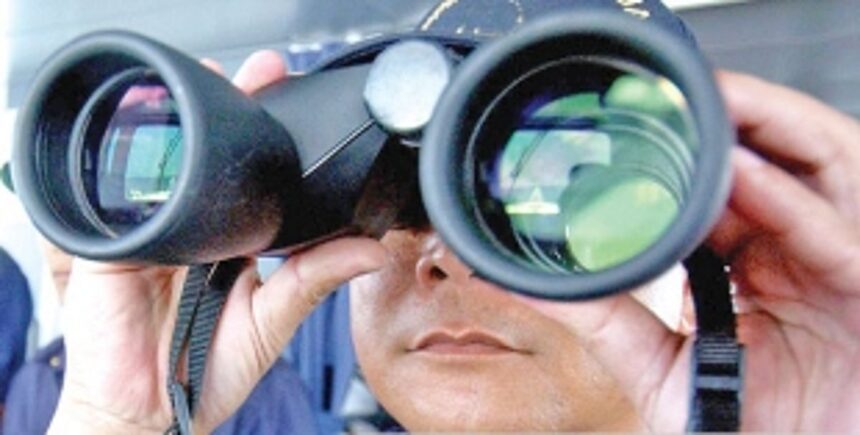
The Coast Guard keeps a strict vigil at sea with its ships, aircraft and coastal radars and with proper coordination with the intelligence agencies and their information several successful apprehensions have been undertaken.
“Although the ICG also checks boats on routine basis, but specific intelligence helps since the number of boats out on the sea are in very large numbers,” sources added.
Sources also informed that no major activities involving contraband smuggling are generally detected off the Goa coast. These are mostly seized off the southern coast (primarily Lakshadweep islands) and the western coast off Gujarat.
Given the growing challenges on the high seas that include detecting and seizing contraband and search and rescue operations in the face of extreme weather, the ICG has recently inducted Advanced Light Helicopters (ALH MK III). It also plans to induct more ships and aircrafts in near future.
“We have the advanced ships and aircraft. Earlier, we had only the Chetak helicopters which are pretty basic and the Dornier which has good sensors and is very versatile. Now we have recently inducted the ALH Mk-III choppers, which will add more punch and provide better air and sea coordination. Continued cooperation between various intelligence agencies will help in preventing contraband consignments passing or entering into India,” sources said.
Efforts are also on to make the local fishermen community more aware about suspicious boats on high sea.
“We are sensitizing them for reporting any suspicious fishing trawlers or boats through regular community interaction programme. We have regularly purchased Offshore Patrol Vessels (OPVs) from Goa Shipyard Limited, which has added to our strength,” they said.
These are faster and advanced ships with better communication systems, sensors and endurance which have given the Coast Guard prowess more teeth.
The sources added that it is desired that all the fishing boats are fitted with automatic identification system and better communication system for safety and monitoring of vessels at sea. The smaller boats should also have transponder fitted for easy tracing and SAR if required in emergencies. It is envisaged to have a gap free coast so as to monitor ANE activities throughout the Indian coast.