When you step into Socorro today, there’s more than just the cashew plantations and the quaint houses with a kiln for pottery that meets the eye. In an effort to keep up with the times this village of 15,000 residents is transforming itself and providing its youngsters an opportunity to showcase their talent on a larger stage.
The change was initiated when a few likeminded individuals decided to form the Socorro Socio-Art and Cultural Association, Porvorim and organise programmes for Socorro villagers and Goa. With annual events like the ‘Patolleanchem Fest’, ‘Cajuchem Fest’, Sao Joao and Easter Parades, the village is all over the Internet inviting Goans to remember their traditions and their old way of life.
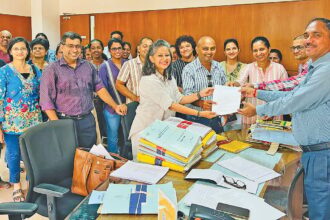
Connie Pinto, President of Socorro Socio-Art and Cultural Association, Porvorim heads a 20-member committee that meets regularly to plan programmes. “Our parish priest, Fr Santan Carvalho is very supportive of our programmes and he announces all the upcoming events in the church. There is a lot of participation from the villagers and through Facebook, people from all over Goa can be a part of the festivals,” says Connie Pinto, who will be part of the group from Socorro that will participate in the three-day Sawantwadi Fruit Festival on May 2, 2015. Inspired by Socorro’s festival culture, many other villages are adopting similar plans.
Marius Fernandes initiated the traditional festival culture in Socorro as a means for the villagers to showcase their talent and the tasty cuisine that most Goans are forgetting. Where else would one find cashew sorpotel?
“Many villages are inspired by the festival ideas and visit the festivals just to ask us how we organise them without sponsors or chief guests. Our events are alcohol free as we want to empower women and children. Through these festivals, we bring to the fore old methods of living using simple and easily accessible natural items like cashews, coconuts, rice etc.” The expenses for the festivals are contributed by the villagers.
Lazarus Pinto looks over all the cultural programmes under the committee. To promote the growth of the youngsters, the committee has taken part in several State-level programmes. “Our youngsters who showcased their talent for the ‘Patolleanchem Fest’ also participated in competitions organised by the Tiatr Academy of Goa in the adult and children’s category. The troupe won the first place in Children Tiatr Competition in Panjim. We organised the All Goa Khell Mahotsav for the first time in Socorro at New Vaddem, which saw the participation of 15 groups, where Socorro won the second place. We also participated in the Mando Festival organised by Kala Academy in senior category,” says Lazarus.
All this talent would have remained hidden had it not been for the community development headed by the committee. Besides programmes, the committee also organised summer camp for children, music classes in the holidays and Football coaching for boys.
Fr Santan Carvalho is the force behind this mission. He calls it ‘Community Building Programme’. The first festival he organised in Socorro was a get together of the parishioners for the feast of Sao Joao. “The villagers have great talent. The women cook delicious food items like 20 dishes using rice as the main ingredient or coconut based dishes that are forgotten by Goans,” says Fr Carvalho, who in his previous parish started the Spring Festival at Pomburpa.
The next step for the village is building a venue where people can come to the village and enjoy its life with music and cooking of dishes for the visitors. “We hope to give employment to nearly 100 villagers through this venue as they can present cultural items and showcase an eco-friendly way of living,” concludes Marius.