There is sadness in his eyes when he talks of his experiences in a war zone in Mozambique. His voice is soft with a hint of steely confidence.
“ There was a lot of destruction during the civil war but there was also hope, and this is what pulled the people through. Women and children were killed, hospitals and schools destroyed. Roads and bridges dynamited. The social fabric was damaged. It took time to recover.”
This is Sergio Santimano, war correspondent, a leading recorder of events in Mozambique who is now increasingly in his ancestral Goa to document events, people and places with an eye for making the normal larger than life.
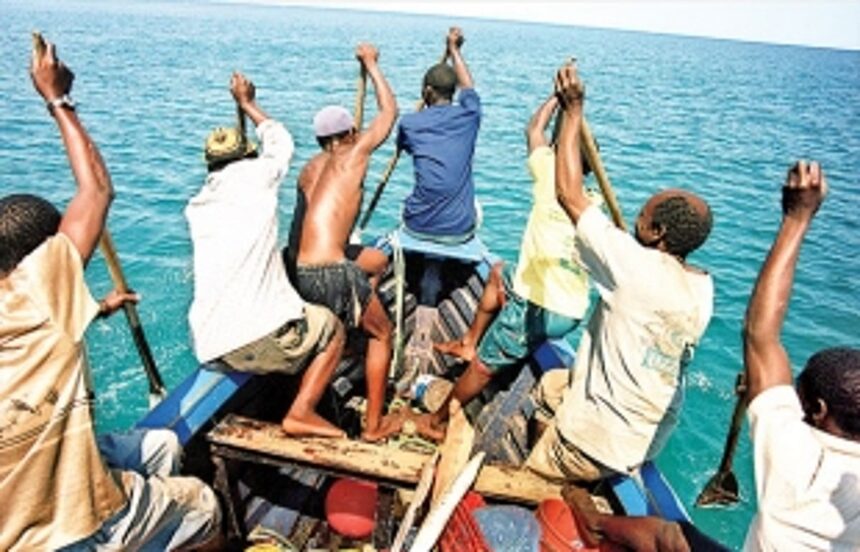
Apart from war, Sergio also documented various aspects of life in Mozambique, including big political events, cultural events like dance, music and song and the daily lives of the people both in urban and rural areas.
The meetings of the African political heads like President Samora Machel with President Robert Mugabe of Zimbabwe, President Kenneth Kaunda of Zambia, President Julius Nyerere of Tanzania and others who arrived in the country for official visits in the heady days following independence.
Sergio was born in 1956 in Laurenco Marques now Maputo to a father who came from Colva and a mother who was born in Mosambique of Goan origin. It was here that he picked up his socialist ideology and his initial skill at taking photographs. It was here that he came into contact with the leaders of FRELIMO,(Front For The Liberation of Mozambique) the movement fighting for Independence from Portuguese colonial rule. They included the future president, Samora Machel and his advisor, Aquino Braganza who was also of Goan origin.
“Aquino knew my father in Goa and he struck up a friendship with me,’’ he says.
After independence in 1975, there was 16 years of civil war before things settled down. The FRELIMO was opposed by RENAMO (Mozambique National Resistance) which was initially backed by the apartheid regime in South Africa.
Soon after Independence, many of the Goans settled in Mozambique began to return home as they began to feel insecure in the new environment. “My mother went to Portugal but I stayed, I realized Mozambique was where I wanted to be,’’ he explains.
Sergio says that in 1986 President Machel along with Aquino Braganza and a few colleagues were killed in an air crash which was widely attributed to the South African regime. “I was working for the Mozambique News Agency and was sent to the southern part of the country which was in civil strife with the South Africans openly backing the rebel RENAMO forces.’’
This is where he saw death and destruction as never before. “We would walk for days on end without proper food and water, death and destruction was all around, I kept taking my photographs.”
“I covered the war inspired by photographers like Robert Capa who was famous for his war photographs. Other photographers too like those who went to Vietnam and brought the horror of the war into the newspapers in the America. Thus building opinion against the war. I showed the destruction and horror of war in my photographs, I showed the suffering and pain of the people,’’ he adds.
However in the midst of this living hell, Sergio also saw hope in the eyes of the people and recalls, “ I saw children smiling and noticed how their families were ready to face life in spite of all the suffering.
In some of the villages even though their houses were burnt and they had to flee as refugees, I saw groups of people dancing their traditional dances. All this was light at the end of a dark tunnel”.
“ I was helped in my work by the great Carlos Cardoso, who was my chief in the news agency. This man helped me during my trials and tribulations as a war correspondent when I was trying to document the war in pictures. He was a source of strength during my days of despair.’’
Cardoso who was a great journalist was killed in 2000, when he set up a new news organization, called “Metical’and was exposing corruption in the country.
After he established himself as one of the leading photographers of Mozambique, Sergio began to be drawn to his ancestral land Goa and began making annual trips to his village in Colva where he began documenting his family, the area and its people. Meanwhile he had met a Swede, Eva, a dentist during his war years in Mozambique and married her. He has two daughters, Maya and Ana and they moved to Sweden in 2013.
“I now take photos of people and events in Mozambique, Sweden and India,” says Sergio.
Time and tide has taken its toll on Sergio’s life and his ideology. Socialism is fine but you cannot stop change. The ideas and philosophy of socialism are fine though in practice they may not work. This does not mean that I agree with the supporters of capitalism,’’ he says with a smile.
When asked about the fate of the anti colonial movements in all the developing countries in Africa many of whom saw despotic rule from former nationalists, Sergio admits that corruption crept in during the new regime in Mozambique.
After the death of Samora Machel, like most other newly independent countries across the world, corruption began to creep in. All the promises made to the people were not honoured. This is part of the history of this world.