It’s that time of
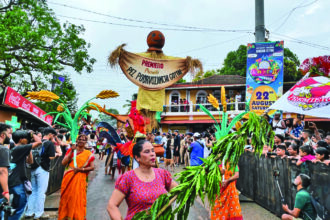
the year when the hard working peasant community gears up for the indigenous
Shigmo festival. The festival which is unique to Goa and its neighbouring areas
is the festival that celebrates the joy of harvest in various ways. Every
village in Goa has its own way of celebrating the onset of spring. In some
parts of Goa, Shigmo begins on the ninth day of the Falgun month and in some
parts it begins after the Holi or Gulalutsav. The festival commemorates the
homecoming of the warriors who had left their homes and families at the end of
Dussera to fight the invaders. During the Shigmo festival, ripening of the
winter crop is also included as a reason for the festivities.
The traditional Shigmo will commence in
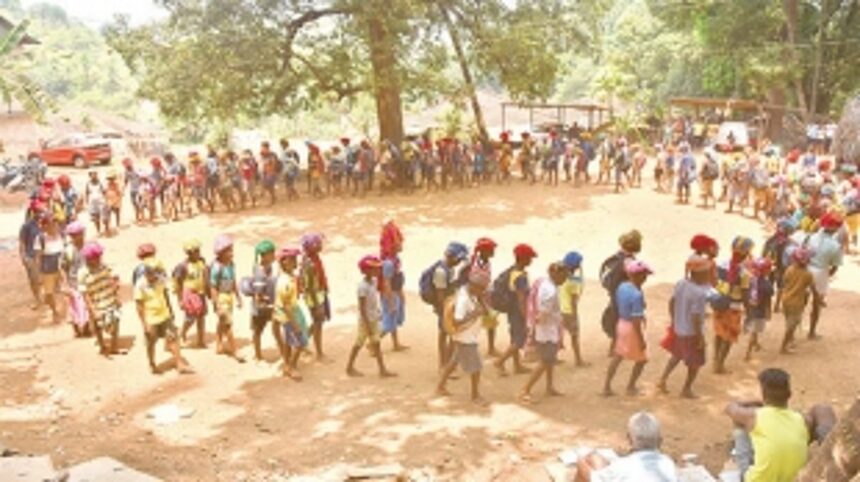
the next couple of days in the villages of Goa. For young Vinod Velip from
Gokuldem, Barcem, it is a time to be part of a tradition that has been followed
for generations. He has been participating every year. He said before the
festival commences there were certain rituals which were followed. He said
there was generally good participation with everyone in the village and it was
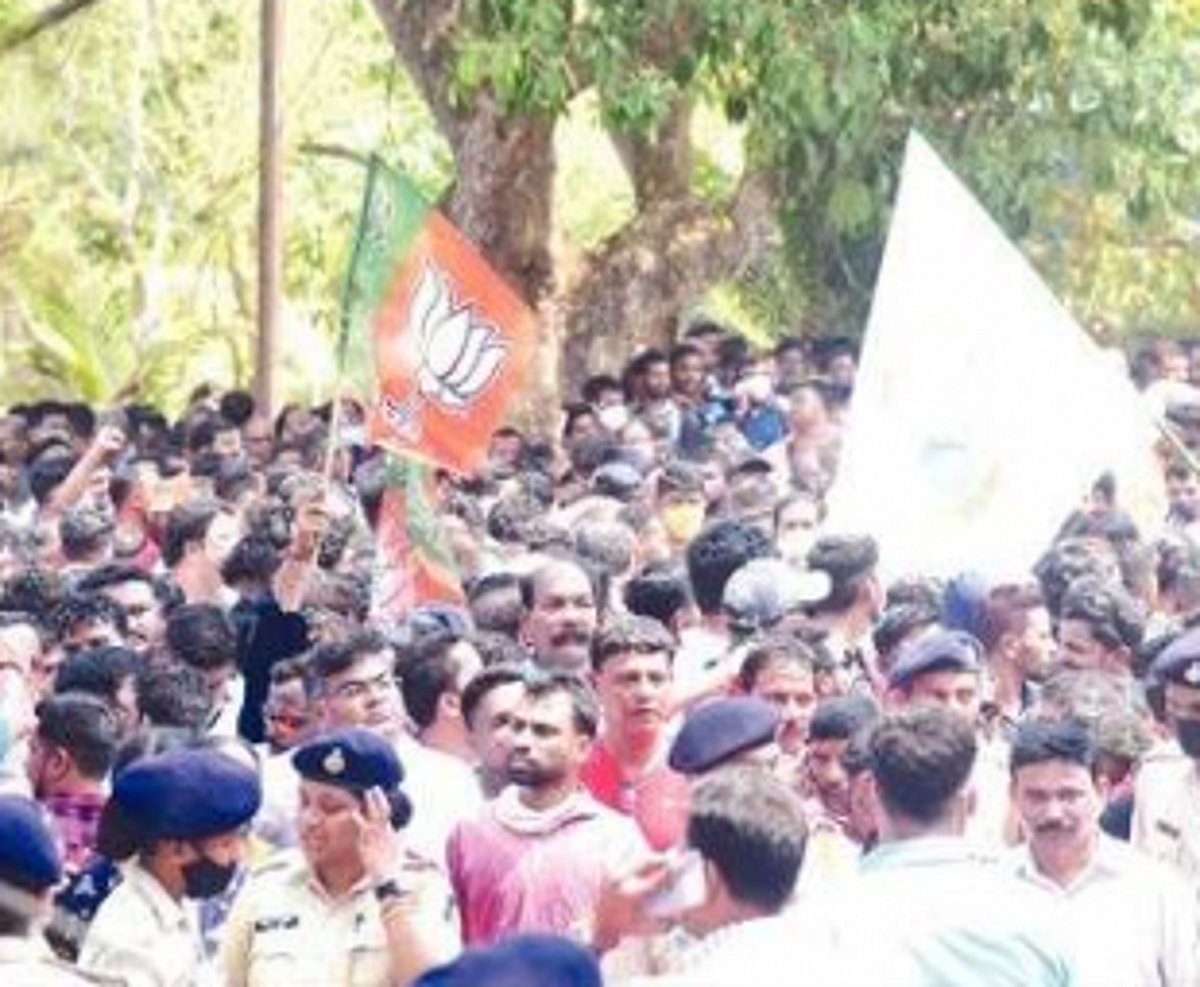
not unusual to have crowds of four or five hundred participating in Shigmo. He
however pointed out that worryingly the number of youth participating in it was
reducing by the year. He said “I can say from my generation barely ten to
twenty percent of youngsters participate. I am a graduate and I strongly
believe that one should stick to one’s roots and keep one’s art and culture
alive because without that you have no identity. This generation thinks that
because they are educated, earn a lakh a month and carry an expensive mobile,
these things don’t matter. However anyone getting married before the festival
will have to attend it because the in-law will send the turo which has to be
worn compulsorily. And if your wife is pregnant, the husband cannot participate
but someone in the family has to participate.”

Gaurish Velip, another youngster who is
studying in college said he would be participating because it was important to
follow one’s traditions though that was not the case with his friends. He said
some would perhaps watch for a bit but preferred going online and chatting and
checking out the latest on Instagram and other such platforms. He said earlier
there were not many avenues of entertainment and so everyone would look forward
to participating in the Shigmo or in the Ganpati celebrations but now there
were so many avenues.
Chandrakant Velip who has been participating for years said
it was a time when everyone came together and even though it was an all male
affair, the women were also involved in preparing all the food which had to be
served to the large group of men who would visit the village to perform during
the day. The women he also said prepared a dish which was served to the guests
who visited the village which was special for the occasion. Everyone he said
would be walking barefoot and wearing shorts and not long pants. It was a
festival which had its distinct rules which had to be followed which also made
it unique to the state.