The government has promised to bestow the Sanjeevani sugar factory with a new lease of life. The unit, the only sugar factory in Goa, has been in the red and struggling to stay afloat, its problems percolating down to the sugarcane farmers who have been complaining of a raw deal from the unit and the government. This, however, is not the first time that the government has made the promise of reviving the unit. The factory can be termed to be chronically ill and various ministers have assured that they would restore it, but the problems have only accumulated, causing distress among the sugarcane farmers in the State.
Reviving the unit will, however, be no easy task for the government. The factory has been riddled with problems for years, that have remained unattended despite the protests and demands of the farmers who have received a raw deal. Often it has not been able to start the crushing of sugarcane due to low volumes of production. Now, at a high-level meeting, attended by the top government brass, including the Deputy Chief Minister Chandrakant Kavlekar who holds the agriculture portfolio, Cooperation Minister Govind Gaude, PWD Minister Deepak Pauskar, Sanguem MLA Prasad Gaonkar, government officials and the president of the Sugarcane Farmers Association, a call has gone out to increase sugarcane production.
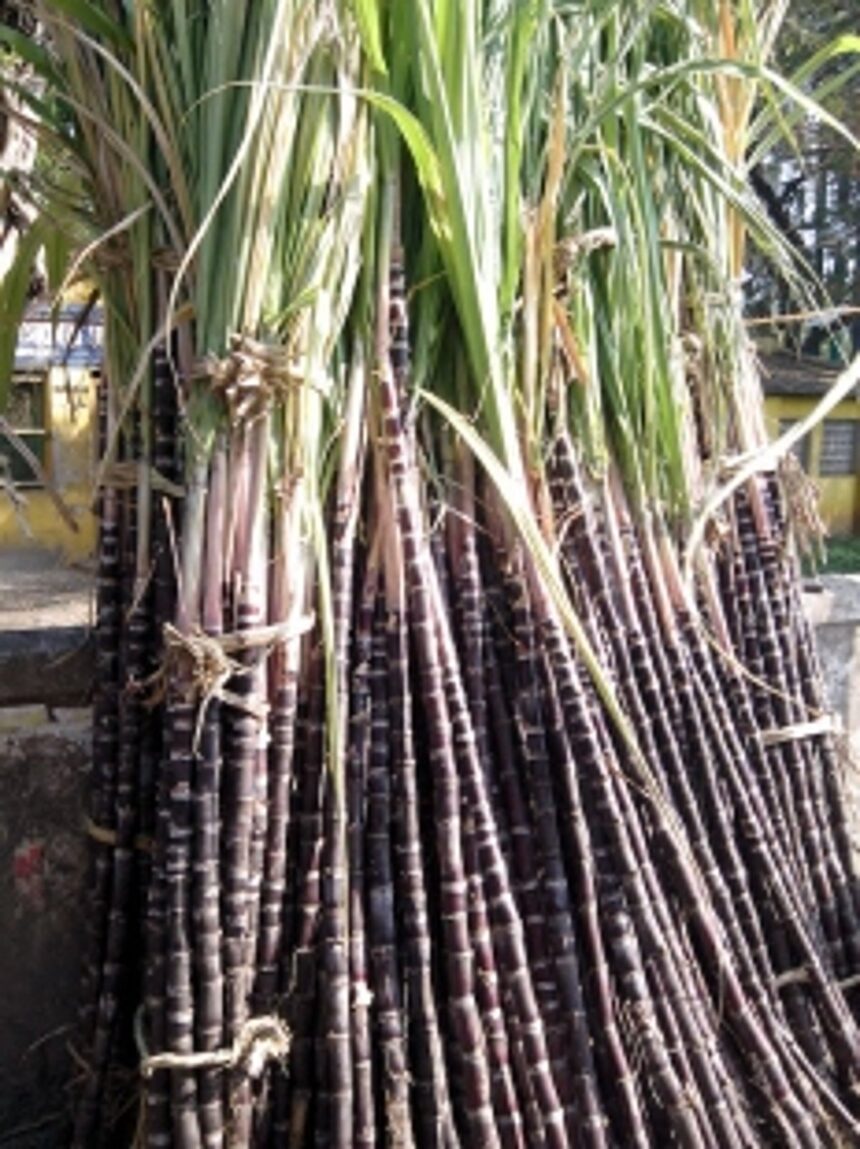
This call to increase production of sugarcane, therefore, places the complete onus on the farmer to bring larger quantities of the cane to the factory. Currently the farmers in Goa are producing around 37,000 metric tonnes of sugarcane and they have been asked to take that quantity to 50,000 metric tonnes. This is still a lot less than the 90,000 metric tonnes that were once produced. The long term target – over a period of five years – is that production of sugarcane should be increased to one lakh metric tonnes.
The farmers have found much consolation from the assurances, but increasing production levels will depend entirely on them. The question is what if the production levels don’t increase and the crushing season is again unable to start? According to the ministers who atteded the meeting, the government has a plan there where it will step in at that point of time and ‘take care of the situation’. In the past sugarcane has been procured from Karnataka to keep the factory running. Will this be done again?
But the low volumes of sugarcane production is not the only stumbling block in the factory’s revival plan. Another major issue invovled is the cash flow that has restricted it from upgrading its machinery. The unit’s old machinery is urgently in need of being improved upon. Currently, the government has been spending around Rs 6 crore a year only on the maintenance of the machines and then another Rs 5 crore annually on the salaries of the employees. The government has now approached the Centre with regard to replacing the machinery, through funding from a Central scheme, and a decision is expected in the coming month.
What has been outlined are merely temporary measures that will serve to keep the factory in operation for a brief period. If the government is looking at investing in new machinery than sugarcane production will need to be augmented substantially to keep the new equipment in operation. A mere call to farmers may not suffice, and more land will have to be brought under sugarcane cultivation, besides other incentives. The farmers staring at losses at the current point of time, have agreed to the government approach, but there will be required a roadmap that clearly shows how this unit that has gone into the red, can be turned profitable. It requires something in the nature of a project report for the revial of a loss-making company.