There
was a burst of cheer and scenes of delight as a group of senior citizens were seen chatting
loudly as they tried to play a game, a game they would play with gusto every
day as kids.
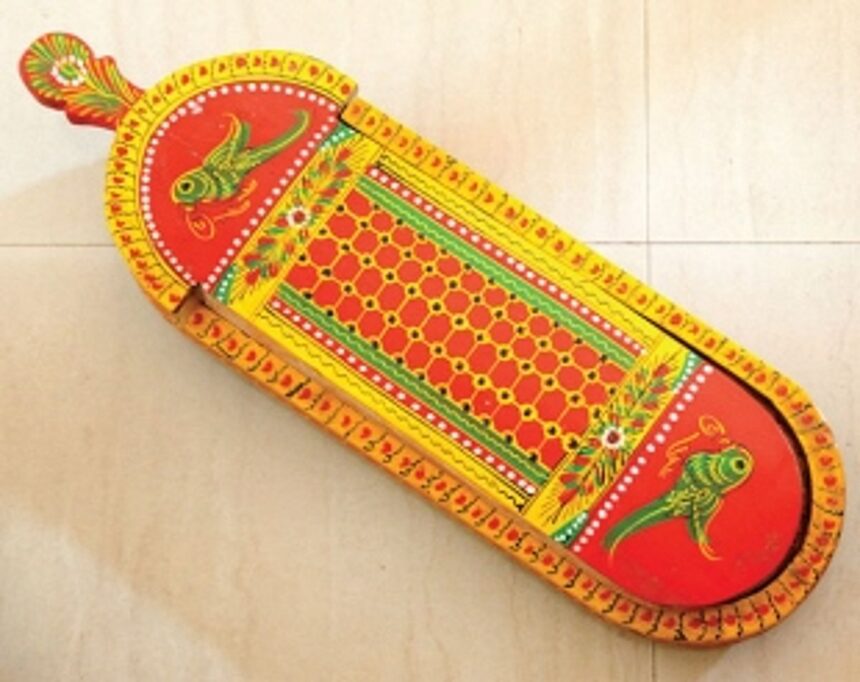
The traditional board game called taablaam
was a source of merriment and fun and had the elders shouting in unison,
indicating the scores.
As the game concluded and a rush of
nostalgia swept through the house, they tried to tell their grandchildren about
the magic of one of the few pastimes they would indulge in when they were
young.

While the current generation seems to be
caught up with games that can be played on electronic gadgets, the elders
lament that the generation of today and those to come may forget about what was
a big part of their own childhood and Goa’s history.
And so, like music to their ears, is the news about an initiative
to promote and revive the traditions of an era gone by.
Against the backdrop of similar recent initiatives by cultural
organisations and other heritage establishments, Soul Travelling, an
organisation that specialises in city walks in Goa, in association with
Dattaprasad Shetkar, is organising Games of Goa, a two-day extravaganza of
traditional Goan games. The festival is set to be held on February 23 and 24,
2019 at SAG grounds in Campal- Panjim. The event will have over 15-18 games,
both indoor and outdoor, that were played in different parts of Goa. The venue
will have dedicated spaces for each game.
The volunteers aided by printed displays and ‘how to play the
game’ videos, will help visitors learn and play games such as Logorio/
Lobyo/ Nokoryo ,Taablaam/ Taabul Fale, Gud Fale/ Gajre, Tiktem, Waagaani,
Koinde Baal (gillidanda), Bodyaani (Goan hopscotch), BaDyaani (sticks),
Vhiraani (broomsticks), GunDyaani/ Faatraani/ Jhirkyo, Mithaa Khel / Mith Fale,
Khaambyaani (pillars), Biyaani (cashew nuts), Kovchyaani (bangle pieces), SuNe
aani HaaD (Dog and bone), VeTaani, Ringaani, Combya Zhuz (cock fight), etc.
The team has documented the games in terms of the rules of
playing and also through video documentation to make it easy for first time
players to pick up the game and start playing.
Besides the games, there will be stalls with memorabilia such as
Piradyachi bats (cricket bats made from coconut leaf stalk), Gofinn (catapult),
aate (metal rings), tyres, fotaas, etc. Zhopale (swings),
score cards, trivia and quiz, stalls of art toys, coconut leaf art, etc will
keep visitors engaged. Different stalls with authentic Goan food and snacks
will add some food for thought and musical performance areas with live music
events will keep the visitors moving to the right tunes.
The event will also feature a Taablaam game competition,
wherein 8 teams will participate on February 23 afternoon.
Noted Goan singer and musician Varun Carvalho will be performing
at the event and has composed the anthem song for the games, ‘Khell Goa Khell’.
The mascot for the festival, ‘Piken’, will be released shortly.
Speaking about Games of Goa, Dattaprasad Shetkar, a brand
consultant and one of the brains behind the event, had this to say: “The games
we played as children have been slowly forgotten. We plan to revive them and
share them with friends, family and the next generation. These games were
simple but provided ample exercise to mind and body.”
“In this age of social media and PUBG, there is a need to
reconnect and enjoy some of our traditional games and Games of Goa will be a
platform for both Goans and tourists alike to enjoy,” Varun Hegde, founder of
Soul Travelling, added. The festival has also garnered support from other Goans
who are all for the celebration of this forgotten facet of Goan culture.
“We’ve lost our connection to these heritage games so it is very
heartening to note that these games will be back with the children of today,
the 21st century, youngsters who have never experienced all these games. After
the 1980s, I doubt anybody has played them. So the revival of traditional
heritage games is very important that they can be put back in the public
domain,” said historian and professor Prajal Sakhardande.
“It’s good we are going to revive something that is lost. The
importance of this is that it brings people together. Secondly, it is a
physical game. Thirdly, it helps you to memorise certain things, the skills
that you have. These are the things that formed the local games; we made games
with whatever we had,” said artist Maendra Alvares, who has been at the
forefront of promoting such games at Ancestral Goa, Big Foot, Loutolim.
“It is important to revive the traditional games because they
are dying. We can’t let our heritage die and we have to preserve it,” said Dr
Geeta Iyer, a research scholar who has done significant work in the field of
not only traditional Goan but Indian games as well.
“It
brings to my mind my childhood, when we played Logorio, Gili Danda and
so many other games. I hope this can be taken to the next level, where we can
experience them in schools and everywhere else. So that the children can move
away from the current modes of playing games on laptops and computers, where
they exercise only their fingers, and instead exercise the entire soul,” said
Tallulah D’Silva, architect and innovator.