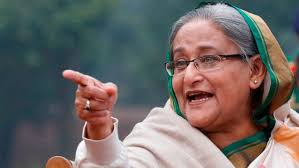
India confirmed that it had received Bangladesh’s request to extradite former Prime Minister Sheikh Hasina and said the matter was being examined under ongoing judicial and internal legal procedures. At the weekly media briefing, MEA spokesperson Randhir Jaiswal reiterated that India remained committed to the peace, stability, democracy and inclusion of the Bangladeshi people.
Dhaka had first made the request in December and repeated it this month after Hasina was sentenced to death by the International Crimes Tribunal, which found her guilty of crimes against humanity linked to the July 2024 demonstrations. Two of her aides were also convicted, including ex-Home Minister Asaduzzaman Khan Kamal, who received a death sentence. Former police chief Chowdhury Abdullah Al-Mamun, who turned state witness, was given a five-year jail term.

Hasina rejected the verdict, calling the tribunal “rigged” and controlled by an unelected interim government with no democratic legitimacy. She argued the ruling aimed to crush the Awami League and distract from what she described as the failures of Dr Mohammad Yunus’ administration. She insisted the ICT’s trials were never intended to uncover the truth about the 2025 unrest.
Bangladesh later said India had not responded to its earlier request but expressed hope for an answer now, given the “changed situation”. Foreign Affairs Adviser M Touhid Hossain noted that Dhaka did not expect an immediate reply. Law Adviser Asif Nazrul added that the interim government was also weighing the possibility of approaching the International Criminal Court to bring back “fugitive convicts”.