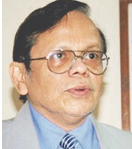
Goa has marked a significant milestone in preserving and promoting its rich agricultural herit age with the registration of five new Geographical Indi cation (GI) tags. The newly recognised products include Taleigao Vayingim (Taleigao Brinjal), Goa Hilario Mango, Goa Khorgut Rice, Goa Cash ew Apple, and Goa Mussarad Mango. With these additions, the state’s tally of GI-tagged products has risen to fifteen. Chief Minister Pramod Sawant hailed the achieve ment, stating, “These GI tags celebrate our State’s agricul tural traditions and empow er our farmers. They will help preserve indigenous va rieties, enhance market rec ognition, generate sustaina ble livelihoods across rural Goa, and promote economic development and agri-en trepreneurship. By protect ing Goa’s unique produce, we showcase our identity to the world.” The Chief Minister extended his congratula tions to farmers, growers, institutions and all stake holders who contributed to this achievement, empha sizing the role of these rec ognitions in the Swayam purna Goa Mission, aimed at self-reliance and rural prosperity. Among the newly regis tered GI products, Taleigao Brinjal stands out as a crop cultivated for generations in Taleigao village. Known for its firm texture, mild sweetness, and versatil ity in local cuisine, the brinjal produces violet, round fruits averaging 350 grams, with a per-plant yield of 1.5–2.0 kg. Its hard flesh gives it a longer shelf life, making it a favour ite well beyond its place of origin. Goa Cashew Apple, widely used in traditional feni pro duction, is valued for its distinctive flavour and fermen tation qualities. It has attracted renewed attention for its uniqueness and potential in local cuisine. The Mussarad and Hilario Mango varieties, previously cultivated mainly within select farming communities, are gaining popularity for their aromatic flavours and rich taste. Meanwhile, Khorgut Rice, an heirloom paddy grown in the low-lying Khazan lands, is prized for its salt toler ance, reflecting the ingenuity of Goan farmers in adapting crops to local conditions. These GI recognitions not only protect Goa’s unique ag ricultural produce but also provide farmers with better market visibility, opportunities for value addition, and a stronger stake in the State’s economic growth. By preserv ing traditional crops and promoting agri-entrepreneur ship, Goa is strengthening its rural economy while sharing its agricultural legacy with the world
Goa’s GI basket grows as five traditional crops gain recognition