A clear war is now going on in the Middle East as hostilities between Iran and Israel escalate beyond shadow operations and proxy confrontations. After a volatile 2025 marked by direct air strikes, US military intervention and a fragile ceasefire, tensions have exploded again in 2026 with fresh missile exchanges, regional spillover and renewed global concern. What began as targeted attacks on nuclear facilities has evolved into a broader confrontation involving the United States and key Gulf nations, raising fears of a prolonged and destabilising regional conflict.
June 13, 2025 – Israel launches major air strikes on Iranian nuclear and military facilities amid ongoing US–Iran talks. Iran retaliates within hours with large-scale missile and drone attacks on Israeli cities.

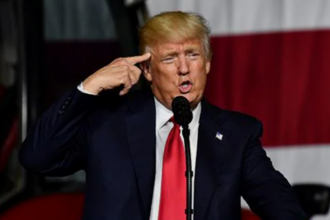
June 22 – The US strikes Iranian nuclear sites at Natanz, Fordow and Isfahan. Then-US President Donald Trump claims Tehran’s nuclear programme was degraded. Iran says it was set back but not destroyed.
June 23 – Iran fires missiles at Al Udeid airbase in Qatar, which houses US troops. The missiles are intercepted; no casualties are reported.
June 24 – A US-brokered ceasefire ends 12 days of fighting. Iran reports at least 610 deaths; Israel says 28 people were killed.
July 2 – Iranian President Masoud Pezeshkian halts cooperation with the International Atomic Energy Agency (IAEA), restricting inspections.
July 22 – Foreign Minister Abbas Araghchi says Iran will not abandon uranium enrichment despite heavy damage.
August 12 – Iranian police arrest about 21,000 people linked to the 12-day war.
August 22 – Iran agrees to resume nuclear talks with the United Kingdom, France and Germany.
August 28 – The three European powers trigger a mechanism restoring UN sanctions on Iran for the first time in a decade.
November 1 – Oman urges the US and Iran to resume negotiations.
November 7 – Trump says Iran has requested sanctions relief and signals willingness to talk.
December 28 – Protests erupt in major Iranian cities over soaring prices after the rial plunges.
January 8, 2026 – Iran shuts down the internet nationwide as antigovernment protests spread. The blackout lasts over two weeks.
January 13 – Trump urges Iranians to “keep protesting” and warns military options remain open. The US boosts its military presence near Iran.
February 6 – Indirect US–Iran nuclear talks begin in Geneva, mediated by Oman.
February 17 – High-level nuclear negotiations resume in Geneva.
February 22 – Oman reports a “positive push” but says key differences remain.
February 26 – A third round of talks concludes in Geneva, with “significant progress” reported. Further discussions are planned in Vienna.
February 27 – Oman’s foreign minister says Iran agreed to reduce nuclear material stockpiles to the lowest possible level. Trump says diplomacy is preferred but “all options” remain available.
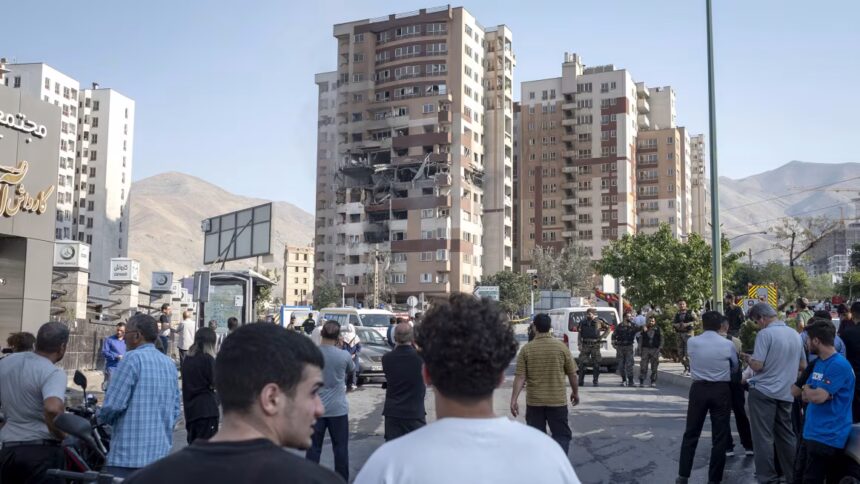
February 28 – Israel launches coordinated strikes on Iranian targets in and around Tehran. Iran retaliates with air and missile strikes across the region, including Qatar, the UAE, Saudi Arabia, Bahrain and Kuwait.
Iran Confirms Death Of Ali Khamenei In US-Israeli Airstrikes
Iran on Sunday confirmed that Supreme Leader Ali Khamenei was killed in massive US-Israeli airstrikes, marking a sharp escalation in West Asia tensions. State media said he died during coordinated strikes on leadership compounds and military sites. A senior Israeli official said his body was recovered from rubble. US President Donald Trump confirmed close coordination with Israel. Tehran has announced 40 days of national mourning.