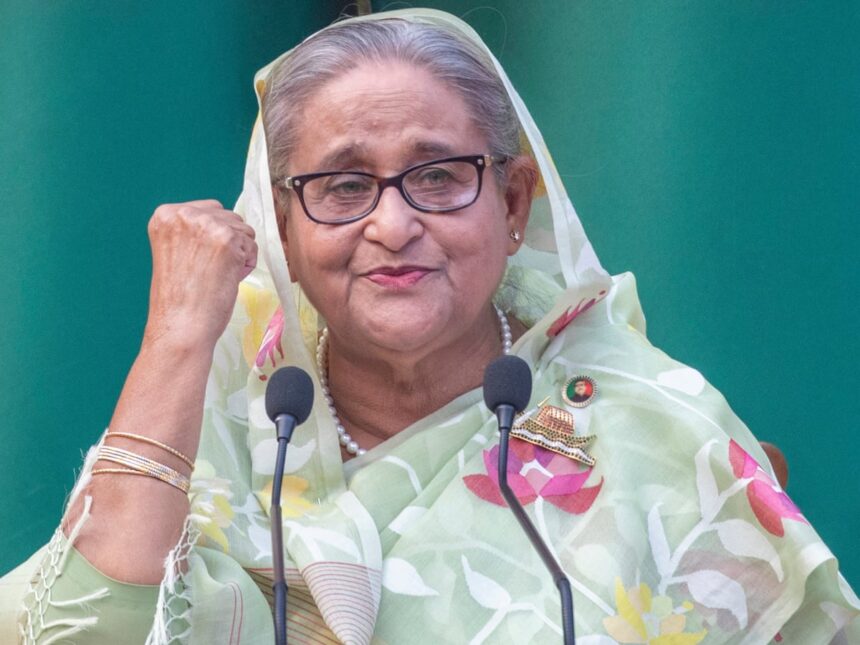
Former Bangladesh Prime Minister Sheikh Hasina has announced her intention to return to Bangladesh around December despite facing a death sentence handed down in absentia by the country’s International Crimes Tribunal. Living in India since fleeing Bangladesh in August 2024, Hasina said she and senior leaders of the now-banned Awami League would surrender before the courts upon their return.
In an interview with Reuters, the 78-year-old leader acknowledged the risks involved but insisted she was prepared to face arrest or even death. “They may arrest me on my return, they may even kill me. Still, I have to go,” she said, adding that she wanted to spend her final days on the soil where her parents are buried.

Hasina was forced to leave Bangladesh after weeks of violent anti-government protests in 2024. The demonstrations eventually led to the collapse of her government, and she sought refuge in India following advice from the Bangladesh Army. In November 2025, Bangladesh’s International Crimes Tribunal sentenced her to death over her alleged role in the crackdown on student-led protests, charges she has consistently denied.
The former prime minister said she had not consulted any foreign government regarding her planned return and intended to surrender voluntarily, despite Bangladesh repeatedly requesting her extradition from India. New Delhi has maintained that the request is under legal examination while continuing diplomatic engagement with Dhaka.
Hasina also defended her decision to return, saying she believed the legal process would expose what she described as politically motivated cases against her. She pointed to recent developments where investigators recommended dropping one criminal case due to fabricated evidence, arguing it supported her claim that several cases against Awami League leaders were baseless.
While declining to reveal the exact date or court where she would surrender, Hasina said she was reorganising the Awami League through online meetings and remained confident that the people of Bangladesh would ultimately judge her two-decade tenure in office.