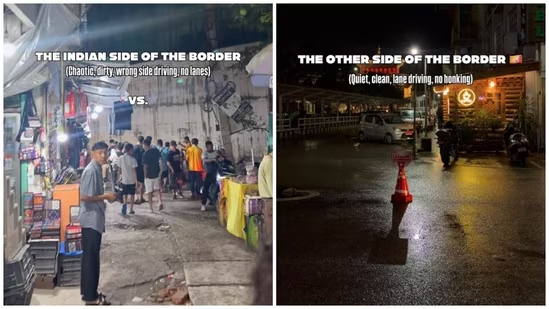
A travel influencer couple has ignited a widespread online debate after sharing a video comparing conditions on the Indian and Bhutanese sides of the India-Bhutan border. Posted on Instagram, the clip highlights noticeable differences in cleanliness, traffic discipline, and public behaviour, prompting mixed reactions from social media users.
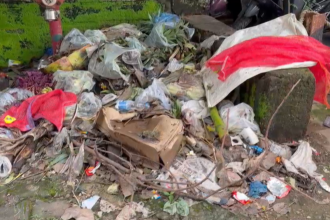
The creators, Kamakshi and Tushar, known online as @travellwithktm, filmed their experience while crossing from Jaigaon in India into Phuentsholing, Bhutan. On the Indian side, they described the surroundings as crowded and chaotic, pointing to littered streets, roadside encroachments, irregular parking, frequent honking, and poor lane discipline. The footage also showed congested traffic and limited pedestrian space.

In contrast, the Bhutanese side appeared calm and orderly. The couple highlighted cleaner roads, quieter streets, disciplined driving, adherence to traffic rules, and an absence of unnecessary honking. Their post, captioned “Is India really beyond repair now?”, quickly gained traction across social media platforms.
The video generated sharply divided opinions. Many viewers agreed that the comparison reflected a lack of civic sense rather than shortcomings in infrastructure. Some argued that while India has stronger infrastructure and larger cities, maintaining public spaces depends largely on citizen behaviour and enforcement of civic rules.
Others criticised the influencers for presenting only the negative aspects of India, accusing them of creating sensational content for online engagement. Several users noted that India’s size and diversity make such comparisons difficult, while others who had visited the same border crossing confirmed observing similar contrasts between Jaigaon and Phuentsholing.
Hindustan Times noted that the report is based on user-generated social media content and that it has not independently verified the claims shown in the viral video. Nevertheless, the discussion has once again drawn attention to the importance of cleanliness, civic responsibility, and urban management in shaping a country’s public image.