Team Herald
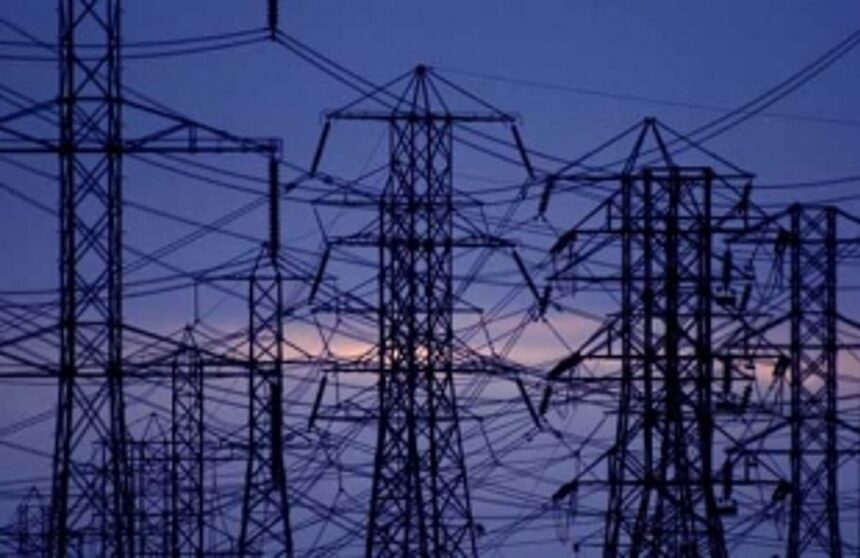
PANJIM: When the pharmaceutical major Merck recently commissioned a co-generational plant to generate 3 MW of electricity as well as steam it may have raised eyebrows around the state. Merck may have done it as part of its CSR activities which was intended to reduce carbon dioxide and making the plant green. However the plant would generate 3 mw of electricity meeting the present as well as future needs of the company in Goa. Is this a path way that can be followed by other companies in the state who may not wish to depend on the government for the supply of electricity?
The first question that comes to mind is the cost involved. Merck spend Rs 24 crore to set up the plant and it would make financial sense given the scale of operations at the site in Usgao.
Businessmen contacted for this story said that the cost of the investment would have to be looked at. A fair assessment one would say but what were the legal hurdles necessary to be cleared to set up one’s own power generation plant. A businessman in the state in the know of such issues said that a Distribution Franchisee was the way out for Goa’s power woes for the Industrial sector. This has been operational in Maharashtra from 2010.
Certain consumers, he said require continuous high quality power and this franchisee would buy power principally from the Distribution Licensee eg Goa Electricity Board. In order to fulfil the quality power guarantee to its customers it will buy power from outside and compensate itself from the customer by levying a reliability charge.
Power is available on the grid for a price much lower than the cost of generation by individual industrial units. The Goa Electricity Board charges around Rs 4 per unit to HT consumers. The cost of generation exceeds Rs 15 per unit. The franchisee will manage power supply from the Board at Rs 4 per unit from 2300 HRS to 1800 HRS the next day at Rs 4 per unit. He is at liberty to buy power on the grid at even Rs 10 per unit for 5 hours from 1800 to 2300 and charge the consumer a reliability charge of Rs 1.50 per unit or a total of Rs 5.50 per unit. Any industrial unit would be happy to pay this price as compared to running a generator and paying the department which would work out at least twice as expensive.
Blaise Costabir former President of Verna Industries Association felt the Australian model would be certainly viable whereby private organisations were allowed to generate electricity and in fact sell it to the main grid if they had excess electricity.
He said “It would work as a bank whereby if they used electricity from the main grid they would be in a negative but if they sold it to the grid they would be in the positive and would be in their record should they want to use it in the future”.
With regards the Franchisee system he said it was a very good alternative but then it would require the state bureaucracy to move on existing rules which allowed for such initiatives but which was very dense and took a lot of time to implement.
All in all the businessmen coming to Goa will hope that power will never be a problem.