India hosted
the CHOGM (Commonwealth Heads of Government Meeting) in 1983 and although most part of the
official conference was held in Delhi, a retreat for all the attending world
leaders was scheduled in Goa. Almost a decade before that happened, Taj Hotels
Palaces Resorts Safaris, popularly known as the Taj group of hotels became one
of the first movers to the state of Goa with their luxury offerings. Their
first property in the state – Taj Fort Aguada Resort & Spa built in 1974,
was one of the very few luxury properties in Goa at the time and, in all
obviousness, became the chosen venue for the CHOGM retreat. About seven years
later, another property situated a stone’s throw away – Taj Holiday Village Resort
& Spa, opened its doors in Sinquerim.
After a few years of starting operations in Sinquerim, Taj
Holiday Village Resort & Spa opened its premium Pan Asian specialty
restaurant – The Banyan Tree – that continues to serve its guests to the
present day. The restaurant gets its name from the massive, centuries old
banyan tree that shares space with the restaurant, and we are told that its
date of origin could not be traced. Over the years, Banyan Tree, the
restaurant, has undergone a lot of changes – right from being managed by
multiple chefs, to changes in the menu, to changes in the décor and so on. And
it is these changes, perhaps, that have kept things at the restaurant fresh and
relevant till date.
One of the most
recent changes include the addition of a group of geese that have been trusted
with the duty of welcoming the guests to the restaurant. The playful gaggle of
four can be usually seen in the sprawling lawns in front of the restaurant and
can create quite the racket. But when has any sound of nature been noisy enough
to be unpleasant?
We chose to start the
fare with the raw papaya salad and soft shell crabs. Known as Som Tam
Mungsawirat on the menu, the crunchy salad has distinct flavours that
linger on the tongue. The Deep Fried Soft Shell Crab With Spicy Basil Sauce left
us mighty impressed. Although Tamari, the Pan Asian specialty restaurant at
Vivanta by Taj in Panjim, used to have it on the menu for a long time,
unfortunately the dish didn’t find many takers. At The Banyan Tree, however, we
are told that the dish sells like hot cakes, and we aren’t surprised one bit.
Since we like our food on the spicier side, the Tom Yum was naturally my
soupof choice. The lemony spicy soup with Thai herbs and prawn (can be had with
chicken too) was spot on. Eating the prawns in the soup can be a bit
cumbersome, because of their size, and I would have liked it if they were cut
into smaller pieces. But considering that the restaurant is frequented mainly
by tourists who like to ‘see’ their seafood, it was easy to ignore the
‘inconvenience’.
The mains comprised Thai
Green Currywith Pomfret, Gai Phad Krapaw or mince chicken with chilli
garlic basil sauce, Phad Thai Chicken, Thai Jasmine Rice and Prawn in
Tamarind Chilli Sauce. Personally, I’m not a big fan of Phad Thai, but
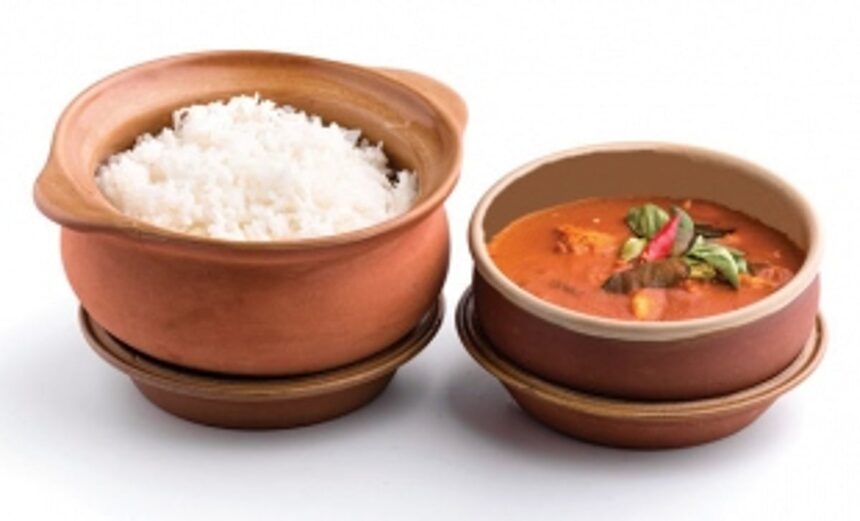
my friend, who is a sucker for the dish, was all praises for it. The Thai curry
was perhaps the best I have had in recent times. The Prawn in Tamarind
Chilli Sauce has found a new fan in me and will have me visiting the
restaurant often.
From
among the changes at the restaurant, the appointment of Chef Amnath Deewong,
who continues to delight the guests at The Banyan Tree, has perhaps been the
most significant of the lot. Other than his rich experience of twenty years in
Thai cuisine, what sets Chef Amnath apart from his contemporaries is his
insistence on using authentic ingredients that do not compromise on the
flavours. We came to this conclusion, after sampling the offerings at The
Banyan Tree, of course! If you’re willing to loosen your purse strings, purely
for a satisfying dining experience, The Banyan Tree will leave you impressed.