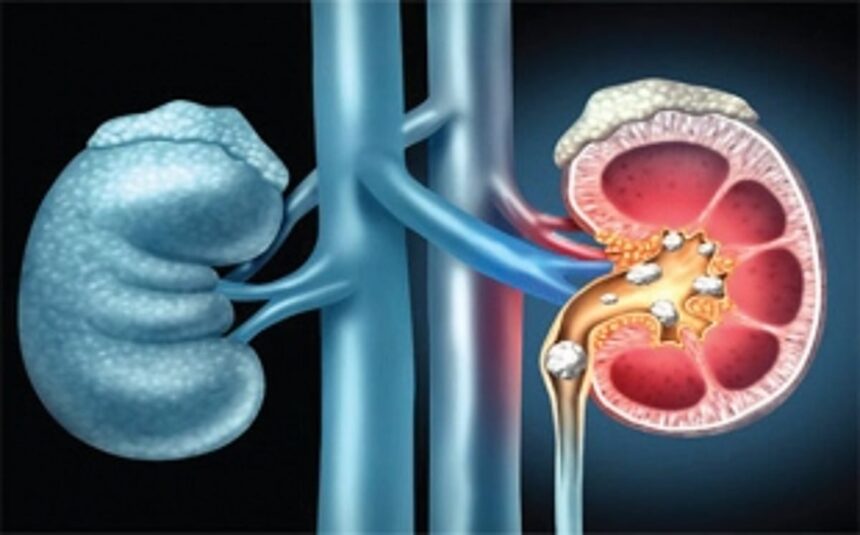
Herald Café: What exactly are kidney stones and how do
we get them?
Dr M R Prabhudesai: Renal Calculi or Kidney Stones are formed when the urine becomes
highly concentrated with stone forming salts like Calcium Oxalate, Uric acid,
Cysteine, etc. Initial crystals are formed, which may flow out with urine or
become retained in the kidney at anchoring sites that promote growth and
aggregation, eventually leading to stone formation.
HC: Is it true that once
a stone former is always a stone former?
Dr MRP: Stone
formation occurs as a result of an inherent tendency to formation of stones,
besides the other factors. However first time stone formers have been estimated
to have 50% risk of recurrence within 10 years.
HC: How do we know that
we may be having kidney stones?
Dr MRP: The
diagnosis of renal calculus is usually clinical, as one presents with severe
pain in the lower back radiating to the groin. There may be associated history
of nausea, vomiting, etc. If infection is present, then patient will also have
fever with chills and rigors, blood in urine and burning while passing urine.
HC: Which tests can we do
to confirm? Which ones are better?
Dr MRP: The
simple and useful tool for diagnosis include urine routine examination, blood
tests like Sr Creatinine ,Hb Total Counts, abdominal ultrasound, abdominal X
ray and abdominal CT, if required.
HC: Are all stones the
same or do different people have different types?
Dr MRP: The
most common component of stone is calcium, 60% of which are calcium oxalate
stones. Others include hydroxy apatite, brushite stones. Non calcium containing
stones include uric acid stones, formed only in acidic urine, Struvite stone
(infection stones) formed only in alkaline urine and Cysteine stone formed due
to impaired absorption of cysteine.
HC: Is it enough if we
drink lots of water?
Dr MRP: As
stone formation results from various factors, it is not simply enough to drink
plenty of water. However, drinking good amount of water will significantly
reduce the tendency of stone formation. Other factors include salt restriction,
reduction in consumption of high uric acid containing items like red meat,
shell fish, prawns, etc.
HC: How about beer, hard
drinks, soft drinks and soda?
Dr MRP: There
is no clear conclusion of the effects of the various drinks on kidney stone
formation; however studies have shown that some drinks that will affect the
urine concentration and Ph can indirectly have an effect on stone formation.
Soft drinks and alcohol beverages, especially beer, increase risk of developing
uric acid and oxalate stone.
HC: What’s the best way
to get rid of my kidney stones?
Dr MRP: Treatment
modalities are varied and depend on several factors, ranging from size of
stone, location of stone and presence of associated infection. Generally, for
small size stones that are asymptomatic and non obstructive to the kidney,
conservative or medical management can be tried, in the form of alkalisation of
urine with drugs like potassium citrate and by following strict dietary
practices, for up to a few months.
However, in
symptomatic patients with large stones and obstructions or infections, surgical
intervention may be necessary, varying from DJ stenting to tide over
emergencies, to definitive procedures that may be endoscopic like
Urethrorenoscopy (URS), Percutaneous nephrolothotrity (PCNL), Extracorporeal
shock wave lithotrity (ESWL) or open surgery like Pyelolithotomy,
Nephrolithotomy.
HC: I take painkillers
when I get colic and then I am alright. What can happen if I don’t take medical
help?
Dr MRP: In
case proper management is not done on time, it can result in worsening of the
situation and lead to further complications like urine, bladder or kidney
infections; excessive bleeding; urinary obstruction and even kidney failure.
HC: Can I try herbal
medicines given by traditional healers?
Dr MRP: I
wouldn’t comment on this one as it is not our area of expertise.
HC: What diet would help
avoid formation of stones?
Dr MRP: Dietary
and fluid manipulation alone can significantly reduce the risk of stone
formation. It would be worthwhile to follow simple dietary advice as follows:
Increase fluid intake
approximately 3 litres/day so as to achieve a daily minimum urine output of 2
litres
Lemon/ orange juice
may be a good adjunct to water because besides being easier to have, they are
found to be inhibitors of crystallisation and aggregation of stones.
Limiting intake of
animal proteins, especially red meat, shell fish, prawns, is helpful.
Reducing intake of
foods that contain high oxalates like spinach, nuts, dark chocolate, cocoa.
Limiting salt intake
by avoiding salty food like pickles and papad.
Avoiding soft drinks
and alcohol beverages, especially beer, as they increased risk of developing
uric acid and oxalate stone.
Dietary calcium
restriction actually increases stone recurrence risk and hence it is important
to have a good intake of dietary calcium like milk and milk products.
HC: Why do men from
Canacona mostly get stones?
Dr MRP: In
Canacona, comparatively increased number of kidney stone cases has been
recorded. Though there hasn’t been a definitive cause attributed to this
occurrence, the minerals in the water and soil may be a contributing factor.
This however is only in theory. There are large numbers of patients from all
other talukas of Goa as well.
HC: A doctor said my
child has stones, is it not only in adults?
Dr MRP: Kidney stones may occur in any age group
including in children. The incidence is however higher in adults.