Animation has gradually become a part of our lives. We have grown up watching animated
morning cartoons, to playing the video games we played; and now we are a part
of a cinematic universe which is taking on a whole new dimension. And there is
no shying away from the fact that an adult can fully enjoy a well-presented
animated film, even if surrounded by kids in a cinema hall. The films that are
now animated have diverse mediums to work with, from drawing, painting and
animated puppets, to objects using clay, sand, paper, and computers.
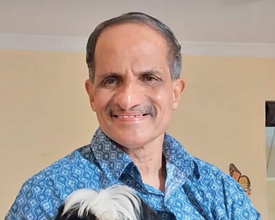
Siddesh Gaunekar graduated from Goa College of Art, Altinho in
advertising, but his passion for animation took him to Mumbai. He was on the
team of India’s first commercially animated film, ‘Hanuman’ and is now
inculcating the same knowledge of animation in children in Goa. He will be
conducting an animation workshop at Ravindra Bhavan, Margao from October 30 to
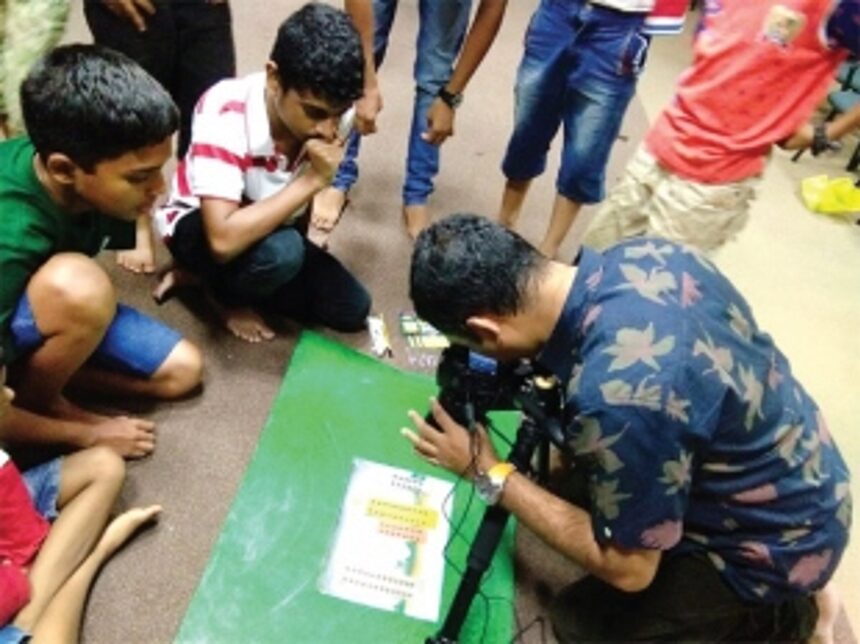
November 4, 2017 from 9.30am to 1pm. “I will be introducing animation to
children, and show them how to create motion, action, timing and pacing which
are very important and basic factors of animation. There are 24 frames in a
single second and you can imagine the work that goes into it,” says Siddesh,
who is currently based in Goa.
His love for pencil drawings helped him choose to work in the
pre-production section. “There is a growth of animation in India and it is no
longer a service to western countries. The strength of animators is growing,
but unfortunately, not in Goa. I am promoting animation through the workshops
that I conduct for children to know what it is and inspire them for the future.
Animation for a film requires lakhs of frames and you have to know the arts to
draw and sketch, science to understand body language and movement and commerce
to market the film,” explains Siddesh. Speaking about how animated movies are
yet to make a mark in India, Siddesh is hoping that distributors will take a
risk and market the films well. “Indian animation is not distributed well in
India, as the distributors don’t have confidence in the product, and very few
investors come forward to take risks. When I moved to Mumbai, I joined on the
film, ‘Hanuman’ and I got on the job experience as it was India’s first
animated film, and I used to do two shifts to complete the animation. After
completion it was held back for 6-8 years and finally Sahara One Motion
Pictures picked it up for distribution and it was released in October 2005. It
involves a lot of hard work, as it takes almost 750 to 800 animators for one
film,” says Siddesh.
Vishal Mesta works with 2D animation and Visual Effects and
studied at B.Sc in Animation at Manipal University at Bangalore and now teaches
animation to youngsters. “Animation is a very demanding profession; you have to
have creativity and patience. In 2D, animation involves drawing, capturing the
image and then using the software to create a moving animation. In 3D,
animation involves modelling, rigging, texturing, lighting and then animation.
In 3D, there are different applications to choose from. The most popular in the
CG industry is 3Ds Max and Maya,” says Vishal.
Felizardo D’souza is the Director of Goa Arts and Animation
Academy, (Frameboxx Animation and Visual Effects), India`s premier animation
training institute, which has its branches in Navelim and Porvorim. “The
problem with animation in Goa is that job opportunities are very limited and it
becomes difficult for job placement in Goa, and students have to move to cities
like Mumbai and Bangalore. However, since the four years that we have been
operational in Goa, there is a steady increase in the number of students opting
for animation. We are working towards creating awareness about animation and
imparting this knowledge to students in schools itself,” says Felizardo.
He further adds, “Parents are not aware of this field of work
and there is no outright visibility of how the subject works and its scope. We
have been visiting schools and showing them how animation works especially with
3D Animation. Animation is a job that pays well. However, the local work
environment will change once the local education changes.”
The
best way to celebrate international animation day is to pick up and watch your
favourite animated films today.