A doctor, an engineer and a politician
died and were standing before heaven’s gate. What have each of you done that
you should be allowed to enter, asked the gatekeeper. The doctor replied: I
cured people of the ailments they developed from the chaos, they had to deal
with in their lives. The engineer recounted: I brought structure to the chaos
people’s lives had plunged into. Hand up in the air and a bright smile on his
face, the politician said: I, sir, created the chaos.
This joke was shared by an aam
admi from Margao when asked if the acts of humaneness being seen
across Goa in COVID-19 times would trickle into the state’s politics and
amongst its politicians post the pandemic.
“Not a chance,” said the sexagenarian.
Across the state and over a clear telephone
line, seasoned politician and once deputy chief minister of Goa, Ramakant
Khalap, said in a throaty laugh, “That’s a question as old as creation itself.
It’s definitely a hope against hope because even philosophers of yore and
across continents have labelled politics a game of scoundrels.”
Back in Margao, Uday Bhembre, a former
legislator whose political life’s annals include the story of how people of his
constituency backed his independent candidature to the extent of even providing
him with a car to rally against the then ruling dispensation was emphatic in
his “no”.
“Today’s lot is different from the
politicians in post-Independence India and post-Liberation Goa. There’s no
honesty, morals or principles anymore; they think only of themselves, only
about money to gain power and then power to get money. They are least
interested in Goa and Goans,” said the noted Konkani writer.
A pandemic’s politics of opportunity
Many citizens from across the state
recalled how the initial days of distribution of essential commodities were
usurped by politicians—from ministers and legislators to panchayat-level
politicians and social workers—to spread their individual message that they
cared, albeit predominantly for their voters alone, and captured as countless
photo-ops.
Making hay while the world’s under home-stay
“The whole world is looking at this
pandemic as a disaster, politicians are looking at it as an utsav (festival),”
said Sandesh Prabhudesai, a senior journalist, political commentator and editor
of goanews.com.
“Not all the ruling politicians
are like this though and there’s tremendous selfless work being done by several
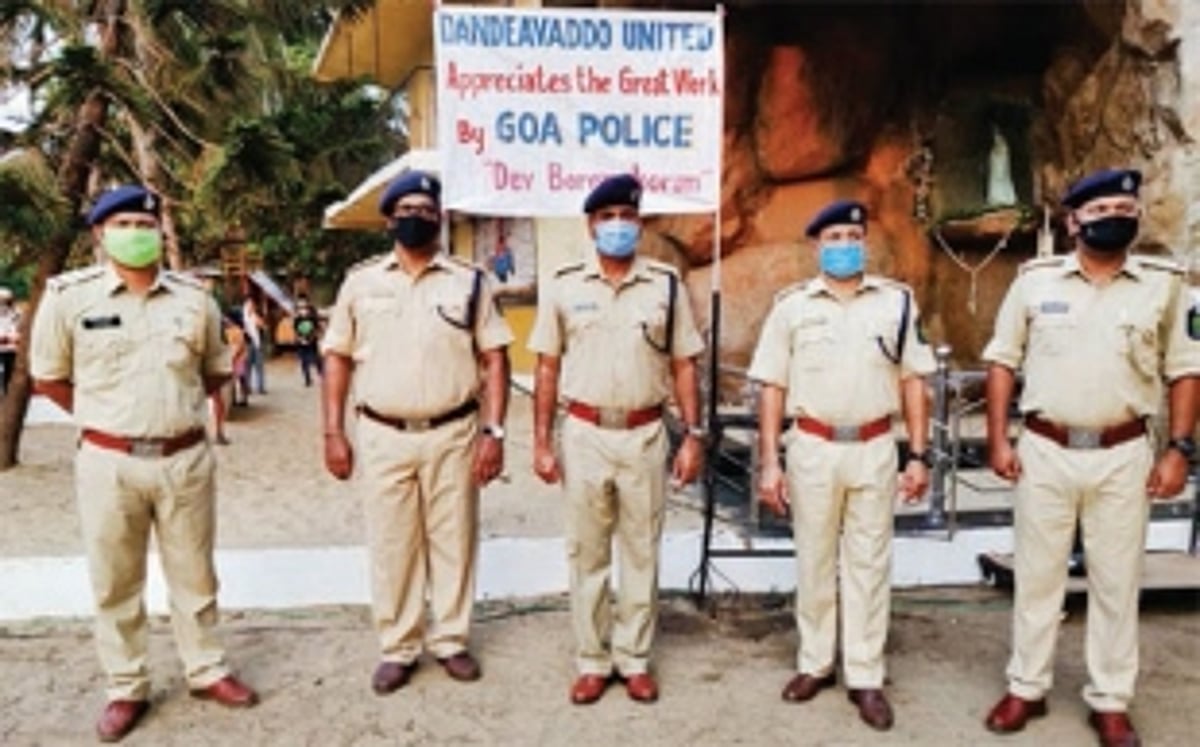
bureaucrats and government employees, especially doctors, nurses, police
personnel, electricity department employees, etc. But there are those who are
making money from this pandemic, leaving us to say in Konkani that this was all
that was left to be seen from our politicians,” said the former editor of
erstwhile Konkani daily, Sunaparant.
Dr Sushila Sawant Mendes, associate professor
and head of department (history) at the government college of arts, science and
commerce, Quepem, noted, “Even in this pandemic there was an effort to divide
society, so where is the guarantee of a sudden surge in being more humane
post-Covid-19? Politics of convenience, by politicians across political
parties, has come to light as ‘reaching out’ efforts were limited to their own
constituencies. Being more humane in public life cannot be barter for
harnessing more votes.”
The 3Ms that could play catalyst
Educationist and legal expert Prabhakar
Timble put the spotlight of responsibility for political change on the
electorate—“Politics will become humane only if society becomes humane.
COVID-19 is a warning bell for society to become more compassionate and
politicians ultimately reflect society.”
The likely change-maker in the equation,
he explained, are the 3Ms: minorities, marginalised and migrants. The latter
two especially have faced the brunt of being left to fend for themselves as the
nationwide lockdown left them unable to get back to their own states and unable
to live comfortably in their adopted ones.
Khalap echoed the thought. “The Covid-19
pandemic has shown us that we are interdependent. In Goa, we have this derisive
way of addressing those from across the ghats (mountains)
as ghatis. This has to change. We have now realised that no matter
how well off we are as per GDP ratings, it is those from other states who we
require to run so many of our needs. COVID-19 can teach us to have respect and
regard for these people.”
“Migrant workers are not beggars,” said
a Goan who is part of the IT start-up ecosystem in neighbouring Karnataka.
Wishing not to be named, he explained, “These people are normally the cream of
their communities who have left their homes to break the status quo of their
reality.”
“Their trust has been betrayed and
henceforward they are likely to mirror the treatment they receive—if they are
treated with hypocrisy they will behave the same, if they are treated with
respect they will reciprocate the same,” said the 44-year-old.
Mendes pointed out how this could
trickle into positive politics: “Post Covid-19 will result in extensive damage
to life and livelihood, agrarian and migrant distress, especially in the
unorganised sector. In these conditions the political class is left with no
choice but be forced to be more humane, as in it depends its very survival.”
Khalap, also a former MP, said of the
political system “Politics does have a chance to become humane after COVID-19
contingency measures are lifted, provided we keep faith in the democratic
process, irrespective of its flaws.”
Seeking political will to become
self-sufficient
Prabhudesai pointed out that the current
pandemic has brought to light the urgent need for Goa to become
self-sufficient. “The government has realised that we are dependent on our
neighbouring states for agriculture, horticulture, dairy production, poultry,
etc, when we have the capacity to be self-sufficient in the same. I hope that
this phase (of moving towards self-sufficiency) which was required to come a
long time ago will finally come through now.”
Khalap had the last word: “It is
important for people and therein politicians to take pride in what we did in
the past, in our own work and labour. Nowadays youngsters don’t want to work in
fields, leaving them to turn fallow, nor will they pluck coconuts, waiting instead
for migrant workers to do that job. After liberation we put in place revenue
laws, irrigation facilities… we have to go back to implementing these. If
people gravitate towards these things, politicians will automatically respond.”