Isn’t it disheartening to see a sea of plastic at the end of an
event with garbage and plastic bags strewn all over the venue? For every big or
small occasion, food and drinks that are served on plastic plates and cups, add
more burden of non-biodegradable waste on the planet. However, with more
awareness about zero waste, Goans are adopting eco-friendly replacements.
The International Day of Zero Waste aims
to promote sustainable consumption and production patterns and raise awareness
about how zero-waste initiatives contribute to the advancement of the 2030
Agenda for Sustainable Development. The United Nations General Assembly on 14
December 2022 formally recognized the importance of zero-waste initiatives and
proclaimed 30 March as the International Day of Zero Waste, to be observed
annually beginning in 2023.
In Goa, one of the major movements that stirred the idea of zero
waste initiative were the different fests curated by Goencho Festakar Marius
Fernandes. He has been promoting this idea for all of the fests and this
concept was recently observed at the first ever inclusive Children’s Carnival
and Matiechem Fest in Pilerne and Nachneachem Fest in Mapusa.
“The concept of zero waste is based on the idea of reducing the
amount of waste that is generated at source, and ensuring that any waste that
is produced is reused, recycled or composted. By creating a zero waste
inclusive market, we are providing a platform for local artisans and
entrepreneurs to use eco-friendly replacement like terracotta, bamboo baskets,
paperbags etc. to showcase their products, but also create awareness about the
importance of reducing waste and promoting sustainability. Since 2000 and
seventy fests later, we have been doing this in all our people’s festivals in
Goa, which is a great way to reach out to a larger audience and spread the
message of sustainability. It is heartening to see that our efforts have
inspired people to make a conscious effort towards reducing waste and adopting
eco-friendly practices,” says Marius Fernandes.
Matiechem Fest culminated into the weekly Zero Waste Inclusive
Pilerne Thursday Heritage Market organised at the St John the Baptist Church
courtyard, Pilerne. Parish priest Fr Derrick Fernandes says, “Earlier, after a
church event, there was a lot of waste generated. But now even after the
Thursday Heritage Market, visited by so many, there is minimum waste as the
vendors sell their ware in eco-friendly packaging. People are informed to carry
their own plates, bowls and containers. Customers are also giving incentives
lik discounts if they bring their own cutlery. I still feel that more awareness
should be created about segregation. Even if there are two bins, people mix it
up.”
The New Year Resolution adopted by the Pilerne church is the
zero waste initiative. “For month’s mind masses and other functions in the
church, we inform the families that the church has steel cups for tea instead
of plastic cups and also paper plates so that there is no waste. The same has
been informed to the chapels under the church and we hope to inspire other
Goans to do the same,” adds Fr Derrick.
From a young age, Gwendolyn De Ornelas was conscious about
raising awareness about the importance of reducing waste and promoting
sustainable practices. When she connected with Goencho Festakar Marius
Fernandes and his unique fests as a co-curator, his events served as a reminder
that every action taken has an impact on the environment and that all have a
role to play in creating a cleaner, greener future for ourselves and future
generations.
“As a co-curator of People’s Festivals in Goa, I’m a passionate
advocate for zero waste, empowering women and promoting inclusiveness. We
understand the importance of taking action to protect our planet and create a
more sustainable future. In a world where waste has become a major problem,
with landfills overflowing and oceans filled with plastic, it is essential to
prioritize zero waste initiatives. By reducing our consumption at source and
finding ways to repurpose and reuse materials, we can reduce the amount of
waste we generate and minimize our impact on the environment,” says Gwendolyn
De Ornelas.
For the Festam team at People’s Festivals in Goa, zero waste is
more than just a concept or a slogan, it is a way of life. Their events are
designed to be as sustainable as possible, with a focus on reducing waste and
promoting eco-friendly practices. They also empower women by giving them
opportunities to showcase their talents and skills without the need for
sponsors. Inclusiveness is another important aspect of their work, as they
strive to create events that are accessible to everyone, regardless of
disabilities.
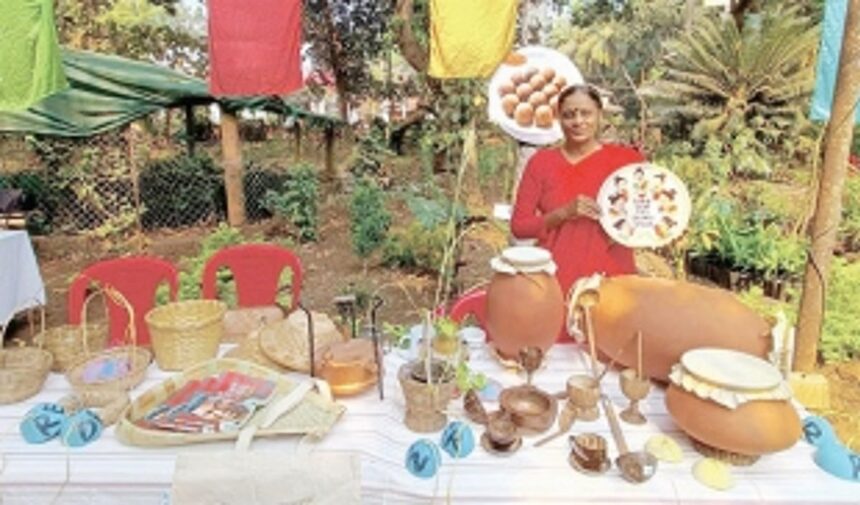
“To showcase zero waste, we have designed a Goencho Festakar
Curators Table, which will be a feature at all our festivals, displaying all
items made from pottery, bamboo, coconut shell, cloth, clay for daily use.
Items include cups and spoons made of coconut shells, plates and saucers made
of clay, baskets and trays made of bamboo. At many of our recent festivals like
Matiechem Fest, Zero Waste Inclusive Pilerne Thursday Market, First ever
Children’s Carnaval in Pilerne and the Nachneachem fest at Agriculture
Department, Mapusa. We have become pioneers of the concept of people carrying
their own cups and plates in order to eradicate plastic at source,” explains
Gwendolyn.
“On
this International Day of Zero Waste, we must strive to maximize recycling,
reduce and eradicate creation of waste or environmentally harmful materials,
increase use of reusable products and repair the repairable instead of just
discarding. Nature must be re-energized instead of being abused citing
development which is many a times environmentally disastrous. We got to live on
this planet only once, and it is our bounden duty to preserve it to the best of
our abilities for generations to come,” says Agnelo Fernandes, Global Konkani
Idol Contest winner and supporter of all the people friendly fests.