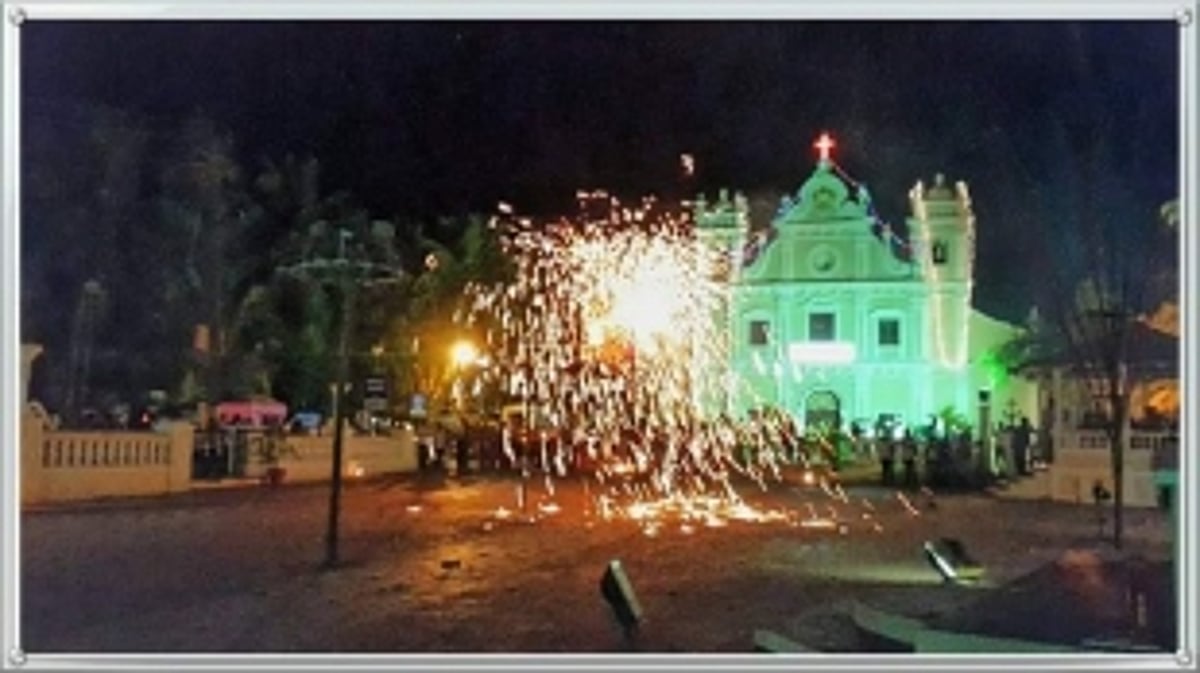
Last Thursday, April 27, the weekly Thursday Heritage Market at
Pilerne celebrated ‘Pustokachem Fest’. As CinnamonTeal Design and Publishing,
Margao had recently published ‘The Collected Works of Joseph Furtado’, and, the
author being a native of Pilerne, the organisers thought it would be a nice
idea to throw a spotlight on the book, and, with it, on the author himself.
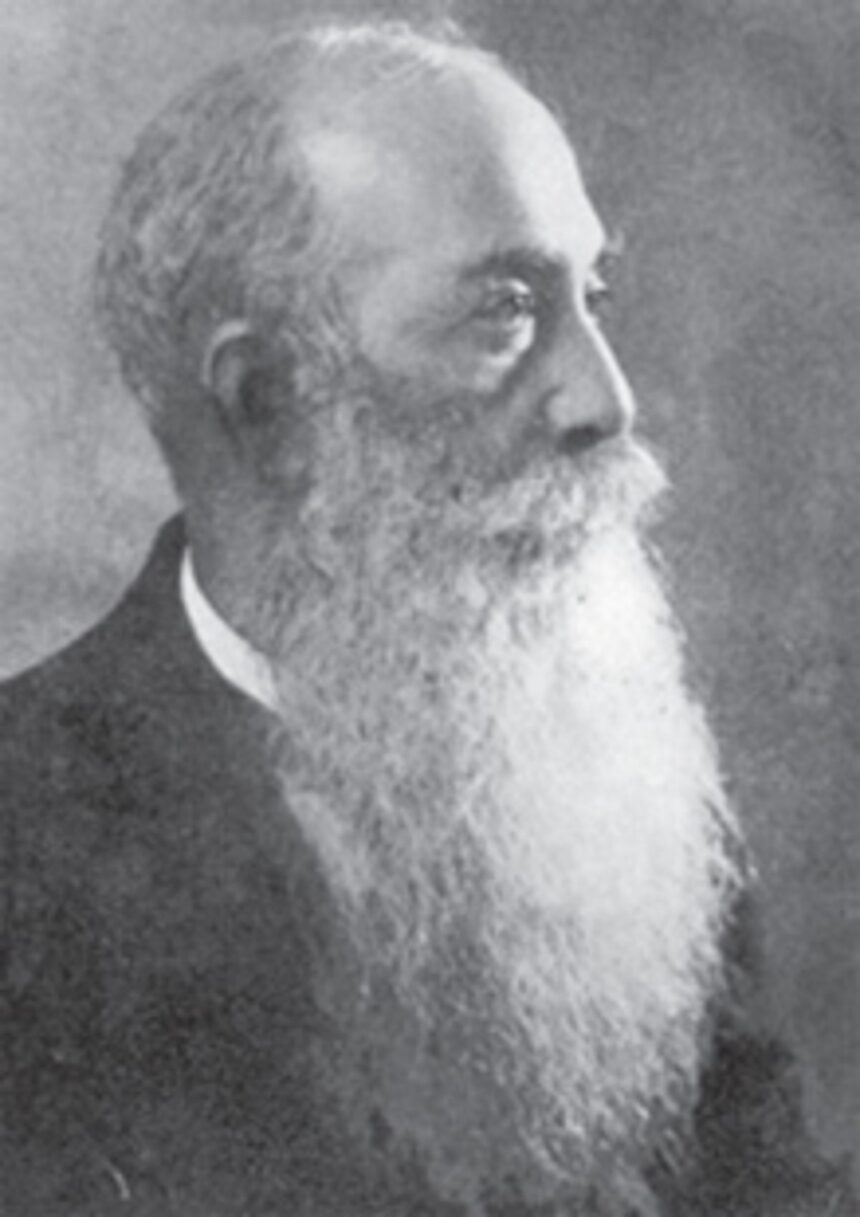
There is very little known about Joseph
Furtado and much of what is known is available in the public domain. Joseph,
called one of Goa’s, and indeed India’s, finest English poets, also credited
with coining the word ‘Goan’, was born on April 7, 1872 in Furtadovaddo,
Pilerne, and was raised there. The story goes that three Furtado families were
invited to Pilerne from Carambolim, to help build the sluice gates there.
Unable to pay the families for their services, the Portuguese offered them land
instead, and the three families settled in now what is Furtadovaddo. Joseph
Furtado was the great-great-grandson of Francisco Furtado, one of those who
migrated.
According to Philip Furtado, the poet’s son, his father’s early
education after passing the ‘primeiro grau’ – the Portuguese primary-school
exam – and apart from a year at a Latin school in Saligao, a village bordering
Pilerne, was conducted mainly at home. But Joseph Furtado also wrote in Portuguese,
later switching to a third language after enrolling in an English-medium
school. He later said that he learned English to further his career and in the
belief that if he stood any chance of success, he stood “that chance with the
enlightened speakers of that noble tongue.”
Joseph Furtado went on to work for the Great Indian Peninsular
Railway at Jubbulpore (now Jabalpur), progressing to the role of a draughtsman
in the engineer’s office, a fairly important position at the time. His work
later took him to Nagpur, Calcutta and Bombay. In 1897, he married Rosa Maria
Amhimizia de Souza, of Calangute.
It was during this period that he began to read the classics of
world literature, and subsequently began writing. Joseph Furtado published his
first collection of poems in 1910 but this work was not reviewed by the local
press favourably. By 1927, when he returned to Goa, ‘A Goan Fiddler’ was
published in England, and he already had four volumes of poetry to his credit.
‘A Goan Fiddler’ included a preface by Edmund Gosse, then the most influential
critic in England, who was also credited with introducing Sarojini Naidu to the
British public, and the book received warm reviews. Joseph Furtado subsequently
published ‘The Desterrado’ (1929), and ‘Songs of Exile’ (1938), as well as a
historical novel, set during the early years of the Portuguese rule in Goa,
titled ‘Golden Goa!’ (1938). His final book, ‘Selected Poems’ appeared in 1942.
Local recognition remained elusive though, and it is said he was
taunted with lines from his poems. In Goa, he became embroiled in a dispute
over a village creek, where he championed the cause of the villagers of
Pilerne. This made him the target of a brutal assault by some goons and
influential people. Sadly during the attack, none of the neighbours came to his
aid and it is said that Joseph Furtado, in disgust, left his village for good.
But Pilerne perhaps never left him. In his poem, ‘Sweet Home’, Furtado
reminisces:
A little hill with cashew trees/And on its slope a little cot/
With sweet and tender memories/ Buzzing like bees about the spot. / My feet may
wander where they will,/ My heart ne’er leaves the little hill.
And in ‘My Village’, there is nostalgia and regret:
Four little hills with bulbuls gay/ Warbling on cashew-trees all
day,/ A gentle stream, a paddy-field/ Twice a year and like a garden tilled,/
And little huts, in groves of palm,/ With peasant folk content and calm:/ And
once these things were all to me, / But never, never more can be.
Joseph Furtado died in Bombay on January 1, 1947. The house he
lived in, at the foot of a small hill, is now in ruins. Joseph Furtado himself
is forgotten, whether in Pilerne, or when the great poets of India are counted.
It would be a great service to his memory of the man and that of his work, if
his house was restored and a library set up there in his honour. In doing so,
he would probably finally get the recognition he deserved during his own
lifetime.
‘The
Collected Works of Joseph Furtado’ includes the novella and about 140 odd
poems. The book is edited by Rochelle Fernandes, assistant professor in the
Department of English, Dhempe College of Arts and Science in Miramar, Goa, and
published by CinnamonTeal Design and Publishing, Margao.