We are so good
to welcome the monsoon showers after experiencing the scorching summer heat. But monsoons do
bring certain health risks. Our body is more susceptible to health issues in
rainy season, because monsoon reduces the immunity power of our body. Our body
constantly gets affected with allergies, infections, indigestion problems, so
we must keep our body resistant against such diseases. The humidity in the
atmosphere is usually high in this season; as a result the body’s digestive
capability goes down. The important point to keep in mind is that you must
avoid oily food, street food or any type of food that is prepared in bulk else
there is a possibility that it upsets your stomach.
Never
eat if you are not feeling hungry, this is a solid cardinal mantra in monsoons.
Doing so results in indigestion problems and illness. So, here are some
specific guidelines regarding what to eat and what not to eat during rains.

NUTRITIONAL TIPS IN
MONSOON:
The damp and filthy
conditions in monsoon plays a host for many disease causing germs, which cause
some serious health attacks like dengue, malaria, conjunctivitis, typhoid,
viral fever, pneumonia, gastro intestinal disturbances, diarrhea and dysentery.
If your immune system is weak you are supposed to catch these diseases
instantly. To maintain healthy diet and protect you from such ill causes during
the rainy season these countermeasures have to be taken.
Eat fruits as they
help you restore energy. Apples, mangoes, pomegranates, and pears are best
suggestible. Avoid watermelon and muskmelons and also goosing on too many
mangoes may cause pimples.
Have medium to low
salt food and avoid heavy salty food as they are responsible for high blood
pressure and water retention.
Eating watery foods
like lassi, watermelon, rice, muskmelon creates swelling in the body. So,
better opt for foods which are drying in nature like corn, gram flour, chick
pea etc.
Foods such as brown
rice, oats, and barley are the best foods one could have in this monsoon.
Body’s immunity can
be increased by adding a dash of garlic to the soups, sir fries and curries you
intake.
Opt for yogurt, curd
and almonds in your diet instead of milk. Drink only boiled and purified water
to protect yourself from harmful germs and drinking plenty of water keeps your
body hydrated.
Consuming bitter
vegetables like bitter gourd, and bitter herbs like neem, turmeric powder and
methi seeds help in preventing infections.
Consume drying oils
like corn oil or light oil and avoid heavy oils like sesame oil, peanut oil and
mustard oil as they fall in first place to invite infections.
People who face skin
allergies during rainy seasons must avoid spicy foods. Spicy foods raise body
temperature and stimulate blood circulation and it leads to allergies and skin
irritation. Other problems such as boils, change in skin color dullness,
rashes, pyodera are also some skin damaging effects which arise in this season.
Avoid naturally sour
foods like tamarind, tomatoes and lime in your diet as it promotes water
retention.
Avoid too much of
fish and meat this season and heavy curries and non- vegetarians should go for
light meat preparations like stew and soups.
Astringent, mildly
bitter and pungent foods must be best served this season.
Drink lots of herbal
teas, especially those with antibacterial properties. These include ginger,
pepper, honey, mint and basil leaves. Excessive intake of coffee and tea
dehydrates body fluids so they must be better avoided.
Vegetables like
cauliflower, potatoes, cluster beans, ladies finger, kidney beans, pigeon pea,
and sprouted grains must be avoided.
Eat steamed salads
instead of raw vegetables as they contain active bacteria and virus that cause
bacterial and viral infections.
Have fresh radish
juice to fight cold and cough. To reduce mucous formations add pipli and rock
salt to warm water. This reduces the natural monsoon ailments.
Better eat seasonal
fruits as non- seasonal fruits get infested with worms during the monsoons.
Pomegranates, lychees, apples, bananas are among the recommended.
Avoid eating fried
items, pre- cut fruits and juices from road side vendors and stick to high
quality and hygiene.
People who suffer
with arthritis should drink warm water with tulsi and dalchini (cardamom) on an
empty stomach in the morning. Doing this improves bowel syndromes and also
decreases pains in joints.
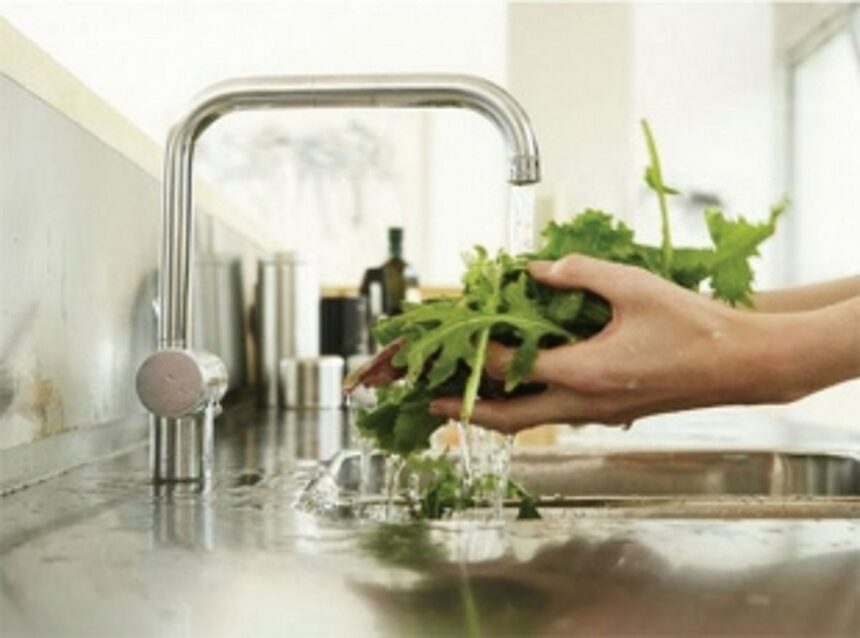
Always wash
vegetables well and keep them clean especially if they are taken raw.
Following
these guidelines helps you to stay safe and healthy during monsoons. Always
binge on nutritional food and be hygienic by taking necessary precautionary
measures like cleaning your house, washing hands before and after having a
meal, etc. Have a safe and healthy monsoon. – Agencies