Janet Mascarenhas
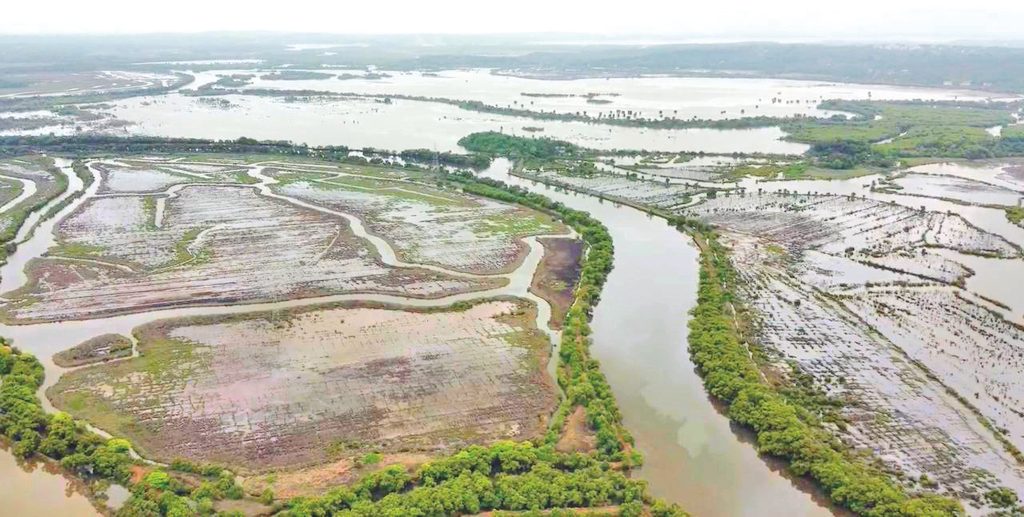
Along Goa’s rivers lie many stories waiting to be discovered in different forms. Goa has 11 major rivers and several hundred freshwater springs, tributaries, and freshwater bodies. Its estuaries and mangrove ecosystems are also breeding grounds for fish and other marine organisms. In light of the current status of the river generally known as Mhadei, Mahadei, Mahadayi or the Mandovi, Heritage First Goa brings some of these lesser-seen narratives into the spotlight through ‘Our Rivers, Our Stories,’ the second edition of Friends of Film.

Beginning from 12 pm to 8 pm, it will be a day of film and conversations. This edition will cover two segments, one on the rivers and the second on a curated set of films made by filmmakers based in Goa. The first segment will explore the rivers and estuaries of Goa, focusing on the Mandovi, with several concerns of the people including pollution, diversion, increased salinity, marine life depletion, siltation, and overburdening by transportation. In the second segment are films that tell stories and works of fiction based on reality. The films that will be screened include ‘Maa Dei’, ‘When the Bird Calls’, ‘Twice a Day’, ‘Shifting Sands’, ‘Remembering Kurdi’, ‘What the River Gives’, ‘Ancessao’, ‘Hanging by a Thread’, ‘Ajji Chi Shalla’, ‘Salt’ and ‘Umesh’, followed by a conversation with the filmmakers, protagonists and the team involved.
Bringing the River to the Screen
Jack Ajit Sukhija, one of the co-founders of the organisation, highlights that this edition focuses on the ecological crisis facing Goa’s water bodies due to pollution, commercialisation and nationalisation. He says, “It is a platform to give these young filmmakers a platform, as well as to tell these stories. That’s what inspired Friends of Film. And then, for the second edition, we focused on rivers, which I think is a major crisis facing Goa today. There are so many issues, ranging from pollution to nationalisation and outright commercialisation. Whereas we believe that the river is a natural being.” The curated programme will highlight how these vital ecosystems shape local history, village life and Goan identity.
Aaron Monteiro, a core team member of the organization, hosting this festival highlights two of the films he suggested, ‘Twice A Day’ and ‘What The River Gives,’ were part of a previous film competition he hosted in collaboration with We the Rivers of Goa, stewarded and hosted by Miriam Koshy. “‘When the Bird Calls’ and ‘Maa Dei’ are also from the same competition and feature in this edition,” he mentions. His role is to get more people involved with rivers and the environment. A photographer himself, Aaron believes film and photography can leave a lasting impact by bringing Goa’s rivers and communities to a larger audience, inspiring preservation and changing perceptions.
The voices behind the frames
Gasper D’Souza, a filmmaker, says this is a nice opportunity to take the issues that plague the Mandovi River as wide as possible, and to show how different voices come together. The film ‘Maa Dei’ is by Gasper D’Souza and Shrinivas Ananthanarayanan. “The film was part of a research project that documented the different voices surrounding the Mandovi that was funded by the British Academy and led by Peter de Souza,” says Gaspar. It is a compelling documentary tracing the river from its pristine origin to its ecologically degraded downstream, urging preservation through striking visuals and local community voices. Through these diverse voices, it portrays reality.
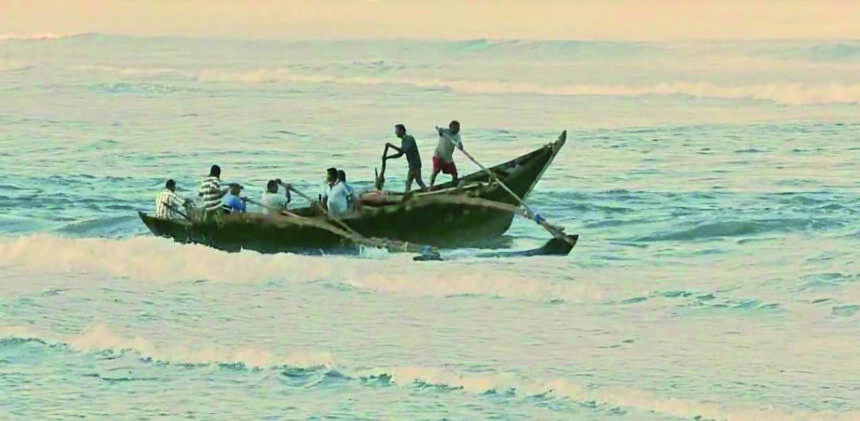
Sonia Filinto, the filmmaker behind ‘Shifting Sands’, feels it is a privilege to be a part of the conversation as events like these keep the dialogue alive. She shares, “This is a film that was made a decade ago. A lot has changed since then, but a lot has remained the same. Every viewer takes away something different from a film, shaped by their own perspective. But I hope we were able to offer those who work with their hands a sense of dignity. Everything starts from there.” Sonia emphasises that we cannot afford to stop talking about what really matters to Goa and our water bodies and the ecosystem around it, which is a vital part of that conversation. Adding on, she said that the festival will showcase some very engaging films by a diverse bunch of filmmakers.