Shigmo is celebrated during the Lunar month of Phalguna starting
from 9th moonlit night till the full moon. It is the festival of ethnic communities
deeply rooted in culture and tradition which is well demonstrated during Dhakto
Shigmo before full moon and Vhodlo Shigmo after full moon. During Shigmo
Homkhand, fire walking is one tradition that is something the young and the
elderly love to play with fire with confidence and without fear.
Wherever one travels across the state during Shigmo, it’s
unmistakably the sound of dholl, taso, ghumot and shamelle all the way and the
local folks enact varieties of dances but strictly by males of all ages. Mythical
gods and their fight with demons are brought to life in the cities and towns as
different groups and villages participate in the floats and Romtamel
competition organised by the tourism department. It is not only the mythical
stories that are spectacularly presented with modern techniques, music and
sound effect, some of the floats also depicts social messages too.
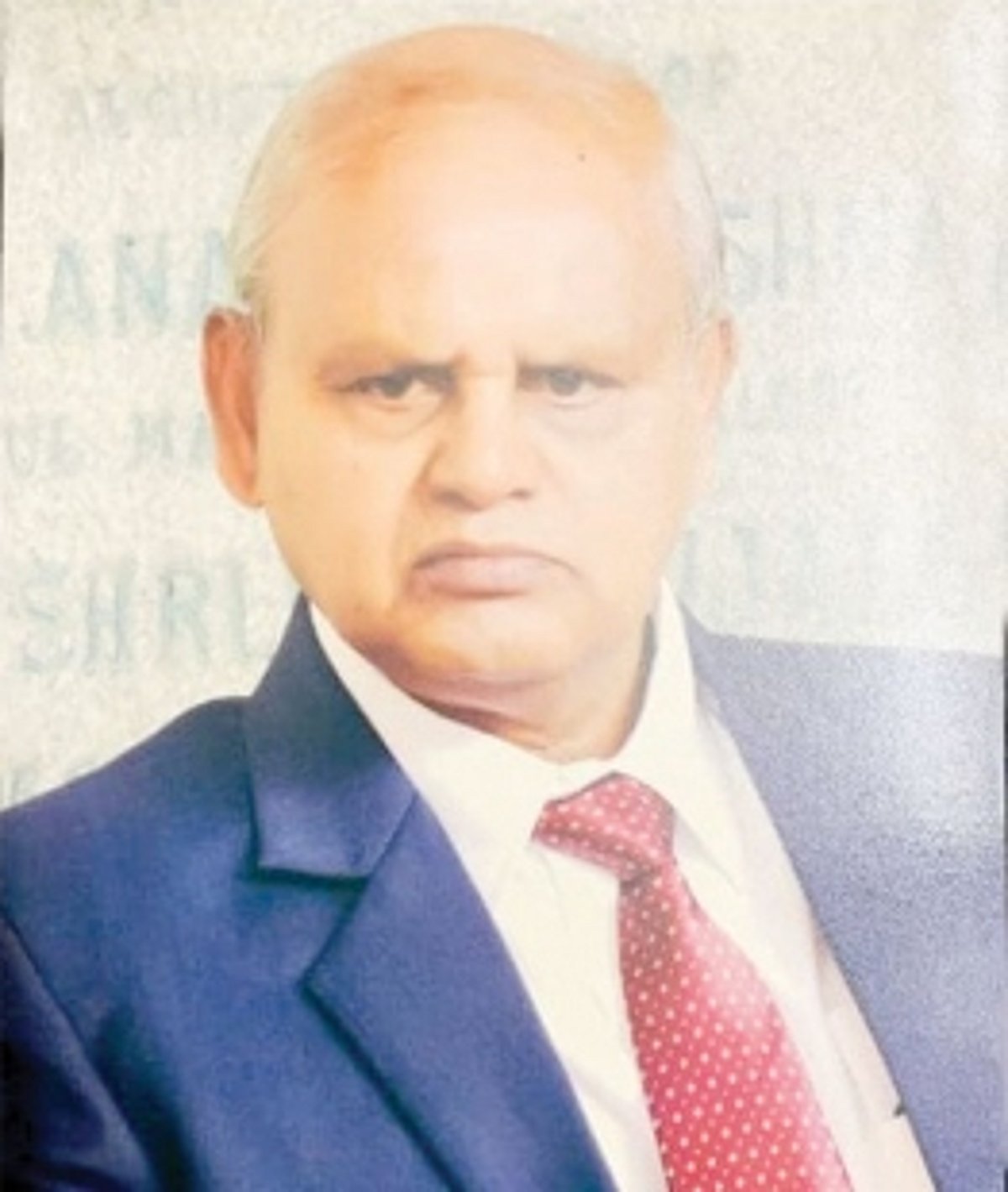
“What we see in the
cities is a curated version of Shigmo by the tourism department basically
catering to the tourists. The present generation is not aware about how it was
celebrated in the past as we ourselves have not learnt from our forefathers as
we have not incorporated into social fabric. There is no connection between
older and the younger generation,” says Sanjeev Sardesai, history and heritage
enthusiast and educationist.
“We have not
connected ourselves to the younger generations. We have to see the festivals of
Gade, Sheni Uzo, Homkhand and other practices as celebration of five elements
of nature, respecting trees and the dead. We just follow rituals without
knowing why fire walking was a norm during the festivals. The past practices by
our ancestors were scientific and in tune with nature. What Abbe de Faria
professed about hypnotism, Budwont in the village would do for attaining peace
of mind,” Sardesai adds.
The diversity of
culture and tradition is best sensed in villages, and there is no better time
than the Holi period. Goan villages still showcase some element of authentic
cultural practices and to experience it, people still flock the villages during
day and night of cultural celebration. Some festivals are very unique and form
the identity of the village. Acts and dances such as goff, ranmalle, morulo,
tonyamel, taalgadi and many other folk traditions are in vogue during Shigmo,
which are best observed in the villages.
Well known
folklorist, Vinayak Khedekar in his well compiled Loksarita, gives a brief
about Goan cultural and folk practices mentioned the various rituals that are
held during Shigmo right from assembly of villagers at the village Maand where
a Holi, a large trunk of a tree, usually a mango tree is erected with a garland
of mango leaves and flowers (abolim). Puja is performed by village head with
invocation of all the local deities seeking blessings and well-being of the
villagers and success of festival.
People of all ages
dressed in vibrant colours, wearing beautiful turbans, looking like historical
warriors, carrying flags and banners forming Romtamel, they march round the
village temple dancing to the tune of folk music. One of the best place to
enjoy Romtamel is in Mardol at the precinct of Devi Mhalsa where Mel from
neighbouring villages participate and seek Devi’s blessings during the
festivity.
When it comes to
Shigmo, the village of Dongri is in prominence as it has carved its own niche
during Portuguese rule. There was a time when people were barred from the
celebration of Hindu festivals, but people managed to get permission to
celebrate a Christian festival and Intruz, which is similar to Shigmo took
birth, which is celebrated almost a month before Holi season that actually
marks the festive season.
Historian and culture
chronicler Rajendra Kerkar enlightens, “Zarme on the second day and Caranzol on
the 7th day Shigmo in Sattari taluka are known for Chorotsav festival, where
they depict the killing of people from neighbouring village by their ancestor
who were mistaken as thieves. As a mark of remembrance and repentance from sin,
the villagers organise the festival in great fanfare.” Villagers of Thane, Gule
and Sarvan are famous for Ghode Mhodni, warrior dance in commemoration of
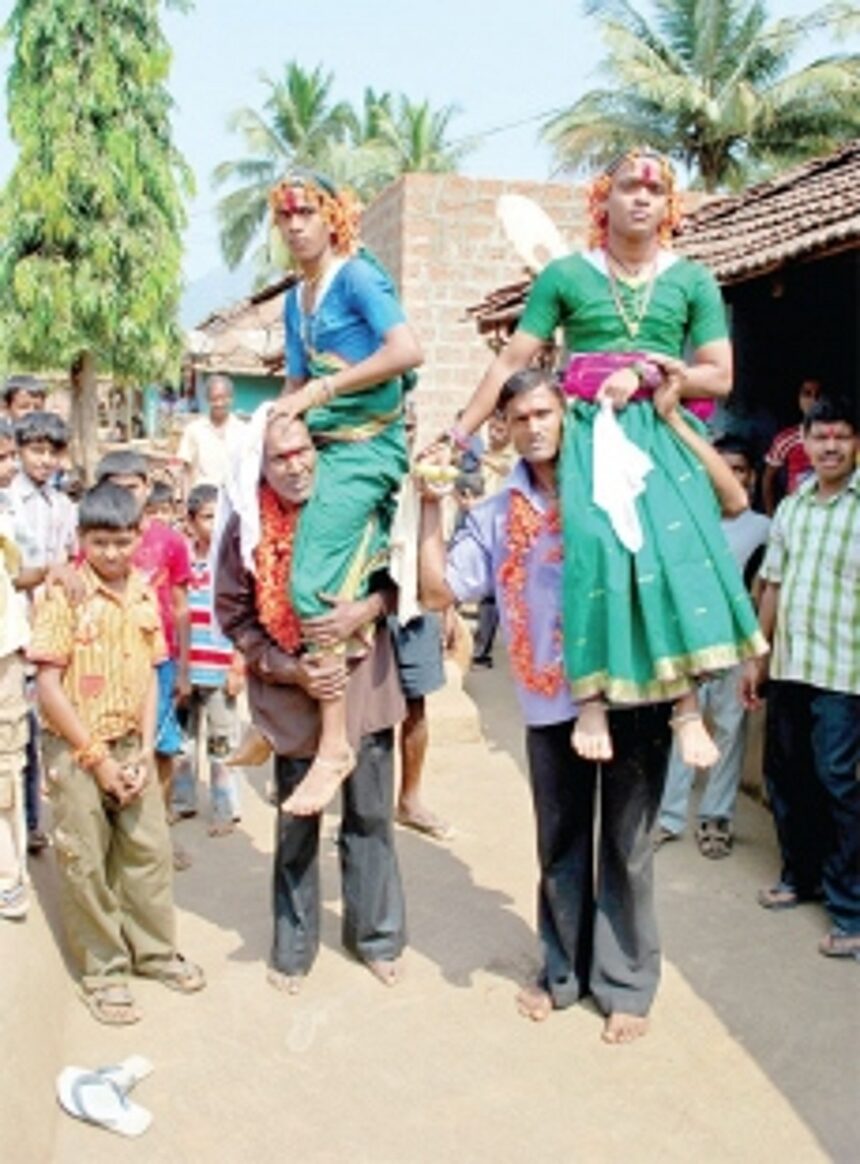
return of warriors after the victory. There is practice of Karavlyo, where boys
dressed as women visit every household. The tradition comes from evil practice
of Sati, which was banned during Portuguese rule. Also, enacting the role of a
Chor (thieves), wearing garland of leaves is a common sight in Sattari, and
it’s an open day to rob fruits in the neighborhood.”
In the South Goa,
festival like Shishyaranni in Gaondongri and Ave in Canacona, wherein the
ritual of cooking on the head of Gades attracts large number of devotees. Durig
is yet another Shigmo tradition in Kalay (Calem) Sanguem where a huge trunk of
silk cotton is erected on which a sacred coconut is placed. An unmarried youth
who manages to climb the top and collect the coconut is considered as Chor who
has the similar freedom to rob that night. This is one festival that is
celebrated during fourth night of Shigmo is something very eye catching for
most. As traditions are strictly followed by the villagers, certain rituals are
carried only by a particular family in the village.
Another festival that
is mesmerizing is the Sheni Ujo in Malcarne. Here the village folks light dried
cowdung cake. As the tempo of music grows, the dance reaches a crescendo as
spark of the amber in the dark engulfs the participant’s bare upper bodies.
Later, betel nut tree trunks are erected near Shree Mallikarjun and Nagnath
temple and at the spot of Jalmi. Villagers who climb the tree are sprayed with
hot Sheni amber making it a scintillating sight.
Other festivals that
are worth experiencing are the Gadyachi Zatra at Poinguinim, and equally famous
Gades at Sal and Pilgaon in Bicholim where the spirit of Devchar is invoked by
the Gades who participate in the rituals. Shidiyo Utsav of Shri Shantadurga
Ballikarin is one festival that is very thrilling to view as thousands of
people gather around the temple.
As fire is integral
part of Shigmo, the villagers of Britona, Penha de Franca in front of Shree
Shambo Mahadeo temple follows the age old practice on the night of Dhulvat on
the day of Ranga Panchami by lighting of bonfire, Homkhand past midnight. It is
believed that all the evil is burnt in the fire and only good thing survive.
People make a beeline to run over the red hot amber in fulfillment of wishes or
seeking blessing from god even as the flames continue rage. Also Homkhand
ritual at Devki Krishna Bhumika temple at Madel, Chorao is known for drawing
large crowd.
The
Shigmo version what we see on the streets of the city is one thing, but what
one experience in villages cannot be substituted as tradition binds the people.
Whatever may be the social status in the village, the festival of colour
creates bonhomie amongst people as New Year, Gudi Padvo reins in to bring a new
hope and good luck to all.