After almost a month of diverse
activities from sky-based astronomy basics to talks on the importance of
millets in our diets, the ocean’s role in bio-diversity, plastic menace and 3D
modeling sessions, the participants of ‘Astronomy Month 2023’ organised by the
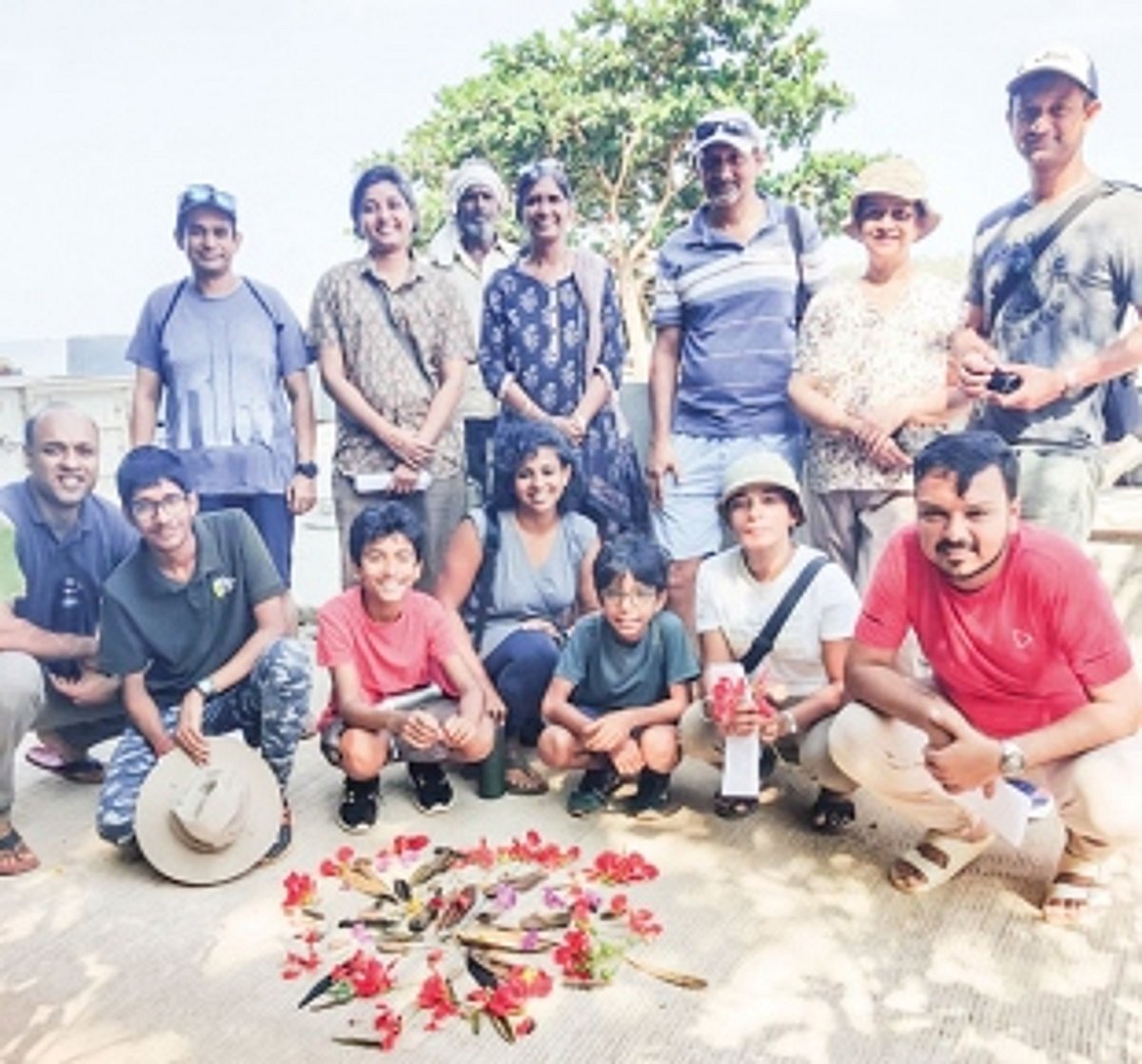
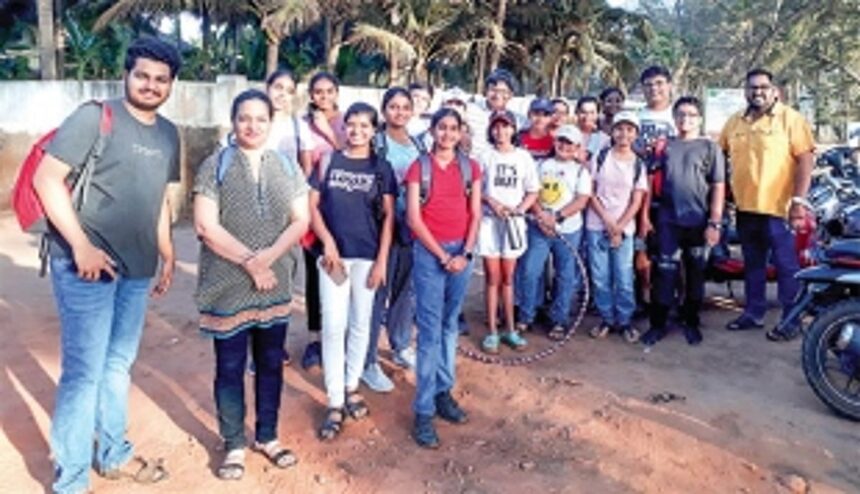
Association of Friends of Astronomy had a three-day excursion exploring the
scenic locales of southern taluka of Canacona. Seventeen students coming from
different schools in and around Panjim, right from Class 5 to 12 participated
in the camp. Most of them, camping for the first time, were too delighted to be
away from their familiar gaze. They visited the Olive Ridley turtle nesting
site, explored a geological formation and lifeline of southern taluka, the
nearby Chapoli dam.
President of the AFA, Satish Nayak summed
up the fun-filled educational sojourn at the end of the annual programme that
is organised during summer vacation, “The camp exposed the students to the
tough responsibilities of managing their daily schedules without the comfort
zone of home atmosphere which help them to discover many facets of their
personality never experienced.” Local science teacher Manoj Gaonkar from Shri
Mallikarjun High School, Char Rasta, coordinated the visit to different sites
of scientific importance.
During the field visit, the students were
explained about the benefits of plants such as Morinda citrifolia or Noni plant
which is considered to have many health benefits and Nirgundi flowers which are used as an air purifier. Many plants were
spotted on the way to rock sites of geological importance. The lesser
known Colomb beach, a short distance away from Palolem beach, which lies about
a little over 70 kilometres from Panjim is home to one of Goa’s oldest rock
trondhjemite gneiss exposure. The rock which belongs to Archaean Period is
about 3.2 billion years old, according to geologist and faculty at Goa
University, assistant professor Dr Nicole Sequeira. These rocks were formed
over a couple of billions of years before when India formed the part of mega
continent Gondwana land.
Apart from the
geological time scale and coming down to recent times, the students were taken
to the turtle nesting site. This taluka has gained importance for its
conservation of Olive Ridley turtles. It was the former parish priest, Fr
Mariano Goes e Proenca, who along with local people initiated turtle
conservation in the state in the year 1999 when he was posted at St Anthony of
Lisbon Church, Galgibaga. Survival of Olive Ridley turtles which were regularly
laying eggs on the beach was threatened by human activity, pests and other
natural factors. Conservation movement not only picked up in
the area, but also gained impetus to create awareness at other nesting sites
such as Agonda, Morjim, Ashvem and Mandrem. The Forest Department and Goa
Coastal Zone Management Authority during Manohar Parrikar’s chief ministership
managed to declare the Galgibaga beach as a turtle nesting site, a
no-development zone. This year, Galgibaga beach to date have been recorded 21
nestings during this season.
A Class 12 student from Our Lady of the
Rosary Higher Secondary School, Dona Paula, Mansi Mandrekar said, “Galgibaga
beach or Turtle Beach, besides being a nesting site for turtles is an ideal
place for holiday and enjoy a day in relaxation and solitude away from the
maddening crowd. The tiny crabs which are seen all over the beach make a lovely
sight. Everyone must experience this beautiful beach.” Her colleague, Neha
Kumari, felt excited to visit the oldest rock next to Avicennia mangrove plants.
Both of them were exploring Canacona’s natural diversity for the first time.
Another young camper, who was chosen as the outstanding student of Astronomy
Month, Dhruv Desai studying in Class 8, had this to say, “My trip to Canacona
was beautiful and unforgettable as I learned a lot about the nature and the
oldest rock in Goa. It was a wonderful and mind-blowing experience.”
During the month-long activity, they also
had an outing, visiting the Indian Council of Agricultural Research (ICAR) and
National Center for Polar and Ocean and Research facilities (NCPOR), besides
visiting Indian Naval Museum at Vasco da Gama which helped to generate
inquisitiveness in other fields of sciences. It was not only learning about the
celestial sky but creating new bonds across diverse thought processes and ideas
that should be the endeavour all the time to inculcate scientific spirit.