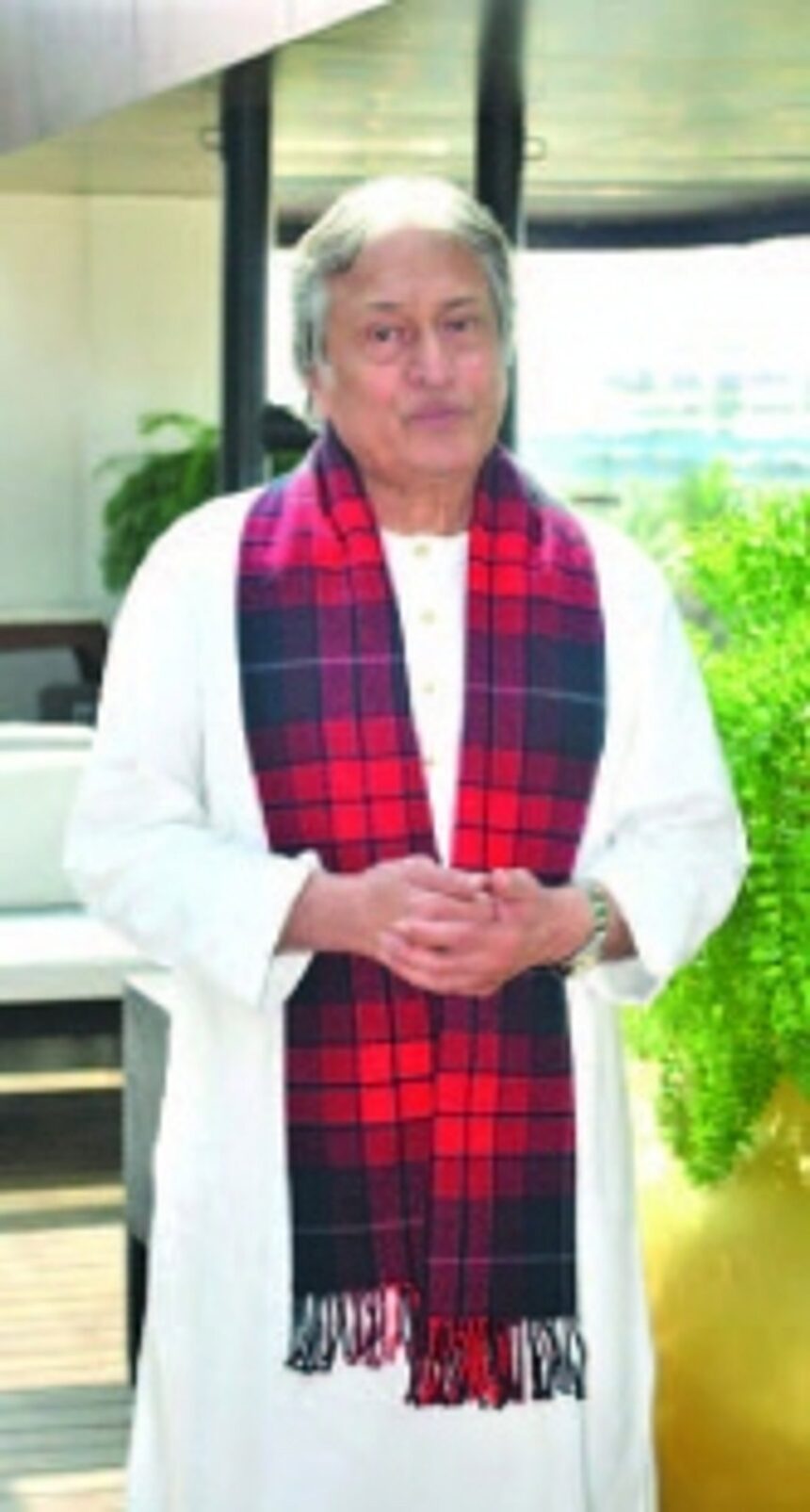
Ustad Amjad Ali Khan speaks on the differences between the
audiences for classical music in India and overseas, Indian classical music in
Goa, and the growth of the genre over the years
Herald Café: Having performed in India as well as abroad,
how do both audiences differ in receiving fusion music?

Ustad Amjad Ali Khan: I think people are interested in
fusion music, everywhere. In our country we call it jugal bandi; I used to
perform with several south Indian musicians. It is a good thing to respect each
other’s musical traditions. It is a healthy and challenging process, because all
fusions are not appealing, sometimes it is confusing.
HC: What is your opinion on the growth of the Indian
classical genre over the years? How has it grown with the newcomers?
UAAI: I’m very happy because we have so many talented
musicians in every field. There are around 500 Sarod players all over the
world. Sarod is becoming popular day by day and people find the sound very
appealing. Despite numerous problems, the future is very bright for Indian
classical music.
HC: What is the reception to Indian classical music in Goa?
UAAI: Goa is an amazing place because it has westernisation,
traditions and radical people as well. I salute the people of Goa. Goa has had
a lot of great classical musicians, like Kesarbai Kerkar. I have visited Goa
several times to perform in my homage to Kesarbai Kerkar. As a young boy, I
have visited Goa and witnessed a lot of classical concerts in Goa. But every
year I see a change; change is natural and one has to accept it and do
accordingly. So Goa has all kinds of entertaining events, and there is an
audience in Goa for classical music. But the time has come for every young
classical musician to improve their presentation; so when a new audience comes
to listen to classical music they won’t be disappointed. Every individual in
the audience should be entertained and receive the peaceful message of music.
David Murphy shares his take on the Roots of Fire
initiative, and his experience in Goa thus far, where he has conducted a
masterclass at Lourdes Convent School, and taken in some of the Goan sights and
sounds
Herald Café: How did the initiative of Roots of Fire come
about?
David Murphy: Basically, I have this vision that music and
culture can really understand each other and there are a number of people who
also share that vision. In the UK, there is a charity called the Bagri
Foundation; they’ve been really supportive of the Roots of Fire. Without them,
the project wouldn’t have happened. The foundation’s main aim is to understand
the Indian as well as Asian cultures, so the idea of bringing western music
here in India came about so that it can be experience by everyone. The Deccan
Heritage Foundation is based in the UK as well and their main aim is
preservation of ancient monuments here in the Deccan region for many different
things, like the old temples and churches. One of the reasons for the master
classes was so that Goan children could begin to learn about their musical
heritage. We’ve been very lucky to have Royal Highness Princess Irene who is a
trained constituent and she is deeply interested in bringing different cultures
together. Goa is such a fantastic place to explore cultural understanding and
to bring musicians together, especially with children. I’m happy to have the
support of Bagri Foundation and the Deccan Heritage Foundation to support this
initiative.
HC: Share with us your experience interacting with the
students of Lourdes Convent School.
DM: We’ve had a great time so far. The students are very
attentive, keen and happy. We’ve been giving them quite a few challenges today
and they have been great. To begin with, we’ve played some of our music to
them, so they could hear the instruments and experience it. After that, I
started showing them some Indian rhythmic ideas and we played some Indian
rhythm games as well. We continued to play some more music and then we played
some more challenging rhythmic games. Day one was dedicated to familiarisation
of the music and understanding Indian rhythmic music. On day two we’re going to
be mixing rhythmic western harmony with the Indian rhythmic ideas. Using those
principles of western harmony with the Indian ideas, we plan to engage the
students in music of both cultures. And we’re going to put together a
demonstration which we will perform on January 19, 2017.
HC: How has your Goan experience been so far?
DM: It is my first time in Goa and it’s great. I have been
here since Sunday. I have met a lot of people and everyone is so helpful and
friendly. I went to one of the forts and
saw the coastline. It is a very beautiful place. I would love to come back to
Goa.