After three days of fun and frolic with the presentation of ‘zomnivhele fell’ in villages during the Carnival festival, the commercial tiatr directors take a break during the season of Lent. The period of 40 days also helps them to prepare themselves for their new Easter releases.
Way back in the 80s and 90s, there were no Lenten shows existing in Goa. Instead, there would be operettas based on the Passion of Christ. And these operas or operettas staged in cities and villages with songs, dance, enactment and soothing music wrapped around them would invite the viewers for introspection. The operas or operettas brought forth by the priests and religious carried good visual and sound presentation on stage along with powerful messages. They were worth the watch as the painstakingly put together musical shows enabled every parishioner in the village to reflect on various themes and religious issues and mend their lives during the season of Lent.
Over a period of time, the operas or operettas took a backseat and went on a decline due to various factors such as rising cost of light, sound, costumes and other requirements for the massive presentation.
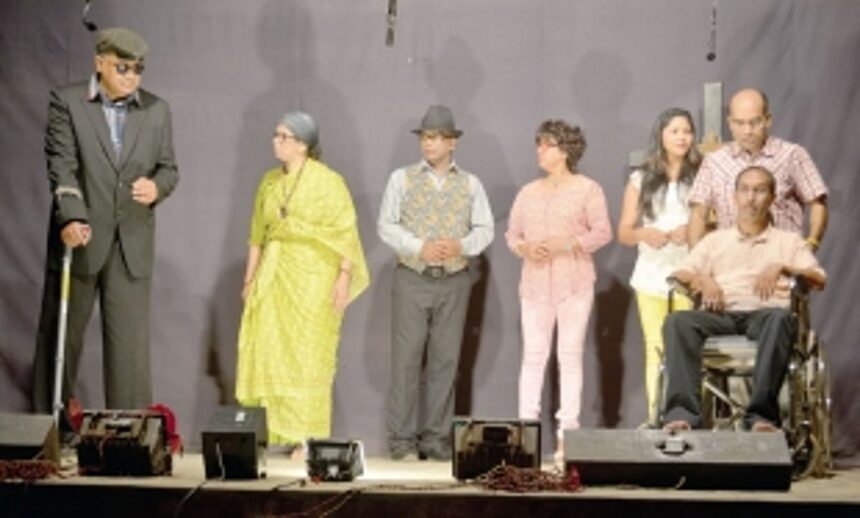
With the vanishing of operas or operettas during the 40 days of Lent, Lenten shows came into existence and started mushrooming as the years rolled by. These Lenten shows based on Biblical themes came about again from some priests and religious, who brought thought-provoking acts on stage, apart from some Biblical scenes.
The Lenten shows staged across Goa in various parishes had less entertainment in the form of comedy. They carried good family and religious themes and a handful of songs included in the shows had good lyrics and morals, which invited deep reflection.
But today there are fewer Lenten shows in the true sense of the word, and more of ‘tiatrs’ which carry the title ‘Lenten show’. On account of comedy and songs not based on religious themes, they are more of temptation and distraction than invitation for reflection and contemplation.
The Pilar Music Academy would come with their Lenten musical shows earlier, thus enlightening and entertaining the laity with good Biblical scenes and songs. Way back, late Fr Planton Faria, also worked upon the Lenten shows during the season of Lent.
Late Fr Nevel Gracias, a diocesan priest, would come with his Lenten show annually and most of his shows were based on the Pastoral theme. Under the banner ‘Vel’lekar Nirmiti’ he staged around 24 Lenten productions in various parishes across Goa.
This year, in honour of late Fr Nevel, the troupe will be staging his last Lenten show ‘Mhaka Nitoll Kor’, which was scheduled last year. But on account of the pandemic, to avoid risk, one of his old productions was continued in some of the villages and before the new release this Lenten season, the writer/director passed away.
The Lenten shows scheduled this year include ‘Dhorm’ by Joaquim Cardozo, ‘Crist-Hanv’ by Rons Tavares, ‘Jezu Uzvadd’ by Calado de Verna (17th production), ‘Mhaka Nitoll Kor’ by late Fr Nevel Gracias (silver jubilee show), ‘Khoddpar Bandlolem Ghor’ by Willy Silveira, ‘Tujech Pattlean Ietanv’ by Doel Dias (5th production), ‘Hanv Tuzo Tum Konnacho?’ by Fr Michael Fernandes (re-released), ‘Mhoje Pattlean Ie’ by Milagres Carneiro and ‘Jezu Sonvsarak Diat’ by Ligorio Fernandes (re-released).
“To live up to the sanctity of the season of Lent, the priests in the parishes should discourage ‘tiatrs’, which provide only entertainment instead of food for the soul. Instead, they should promote the Lenten shows which will help their parishioners to grow spiritually during the season of Lent,” says Xavier de Moira, a drummer from North Goa.
“For some tiatrists, the season of Lent has become a period to make fast money with their new releases as they get a chance to rope in all those tiatrists, who are idle during that spiritual season,” said another tiatr goer on condition of anonymity. “And as they make business with their production,” he continues, “they tempt the Catholic laity to go away from God, instead of helping them to grow spiritually through abstinence. For some people, the season of Lent is like any other season of going and watching tiatrs in the villages or city auditorium and getting themselves entertained to the fullest.”
Respecting the season of Lent, noted tiatr writer and director, Prince Jacob prefers to always take a break and refrains from staging his tiatr during those 40 days of fast and prayer. “We need to give to God what belongs to God,” he says bluntly, “and it is the only season wherein the Church invites us faithful to mend our ways.”